
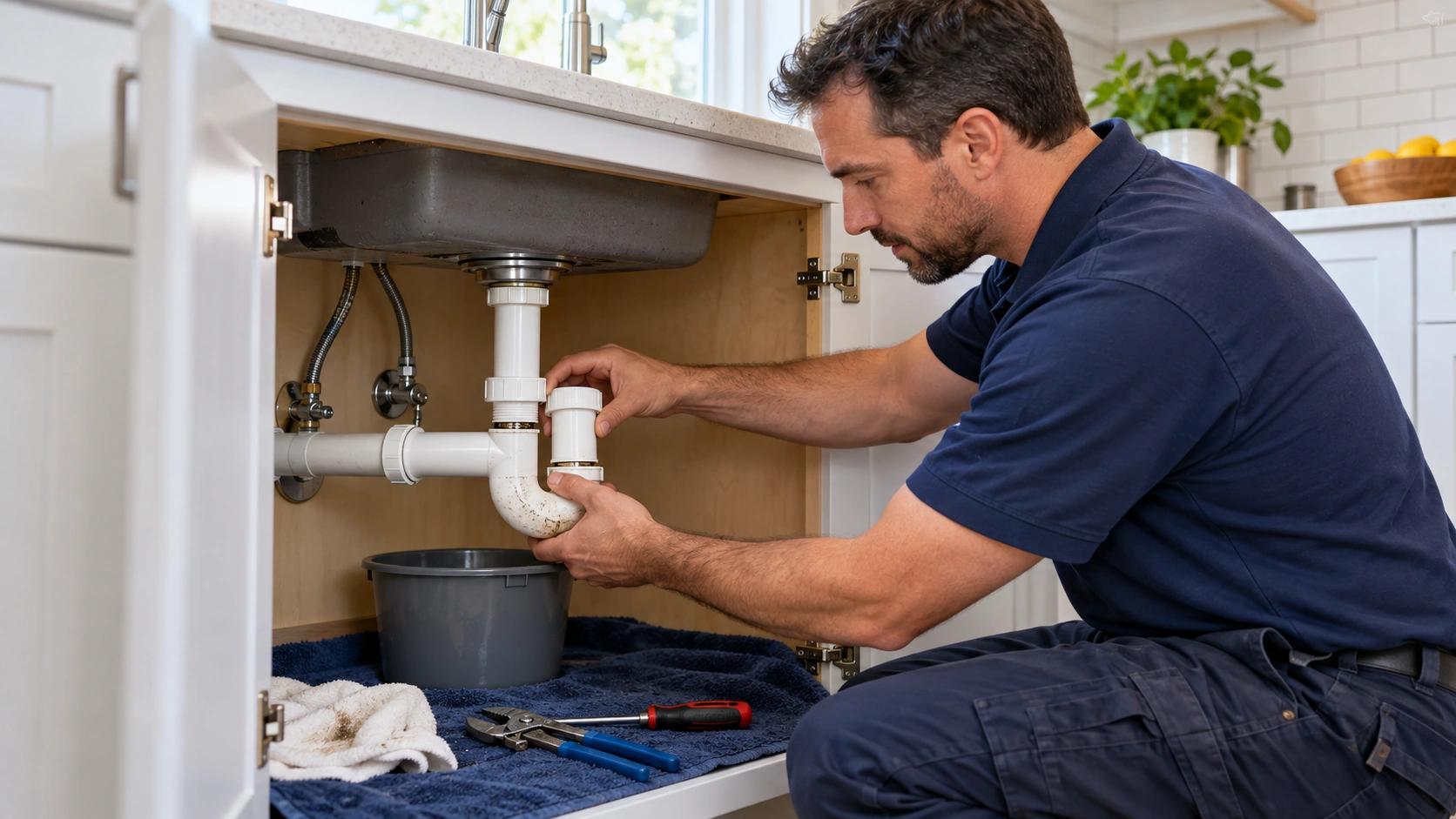
Is the Problem in the Line or the Disposal Area
A cesspool backup does not automatically mean the tank or leaching field has failed. Wastewater must first travel through the building sewer or connection line. A belly, improper pitch, separated joint, crushed section, or root intrusion in that pipe can stop flow even when the disposal structure still has usable capacity.
The symptom pattern helps narrow the source. A line problem may cause a sudden backup or return soon after pumping. A weak absorption area is more likely to show rapid liquid return, persistently wet ground, sewage odor, or performance that worsens after heavy water use. Diagnosis should follow the flow path instead of starting with excavation.
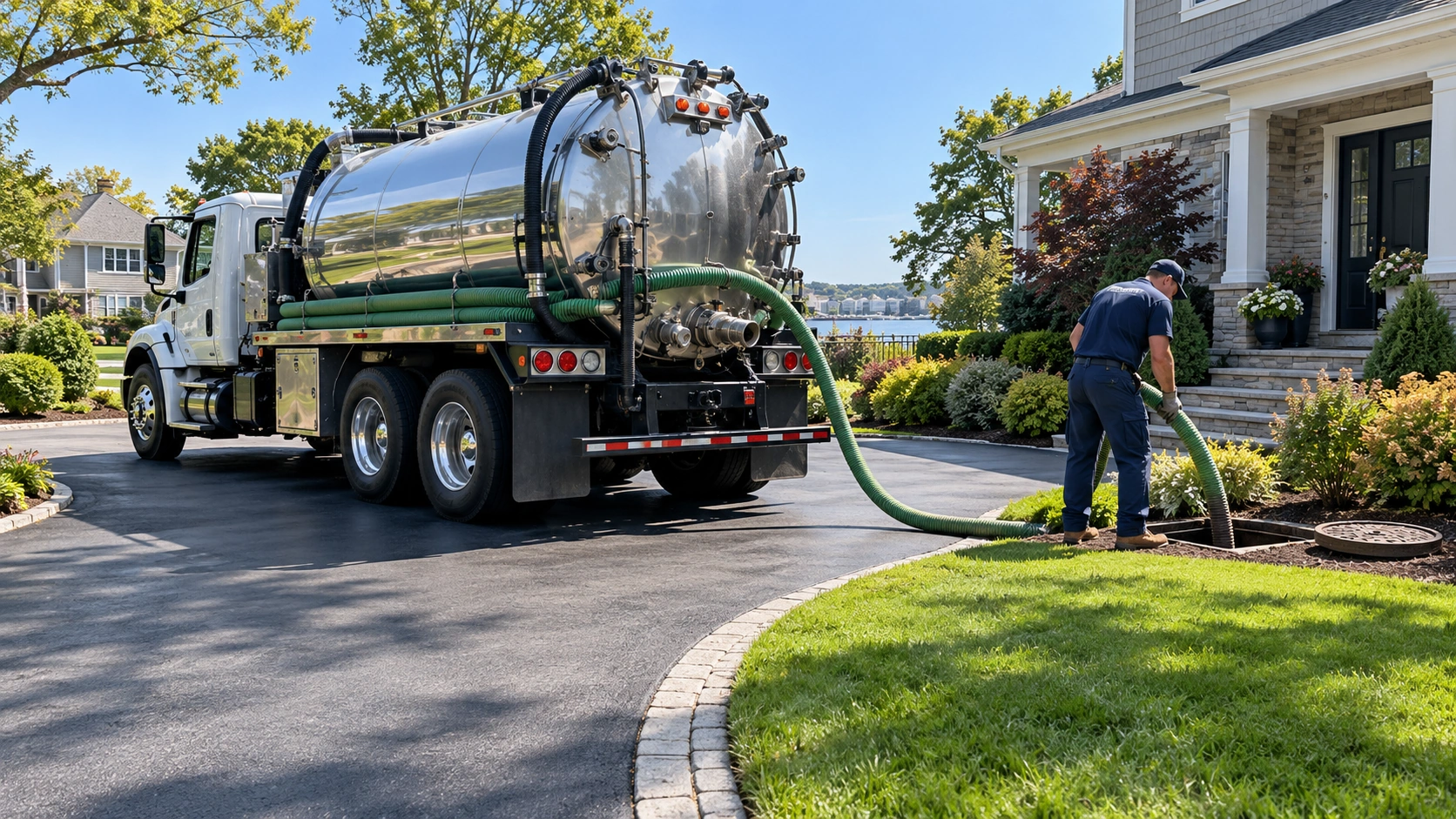
Our cesspool and septic services cover pumping, inspection, connection work, and disposal-area diagnosis.
What Causes Cesspool Lines and Leaching Fields to Fail
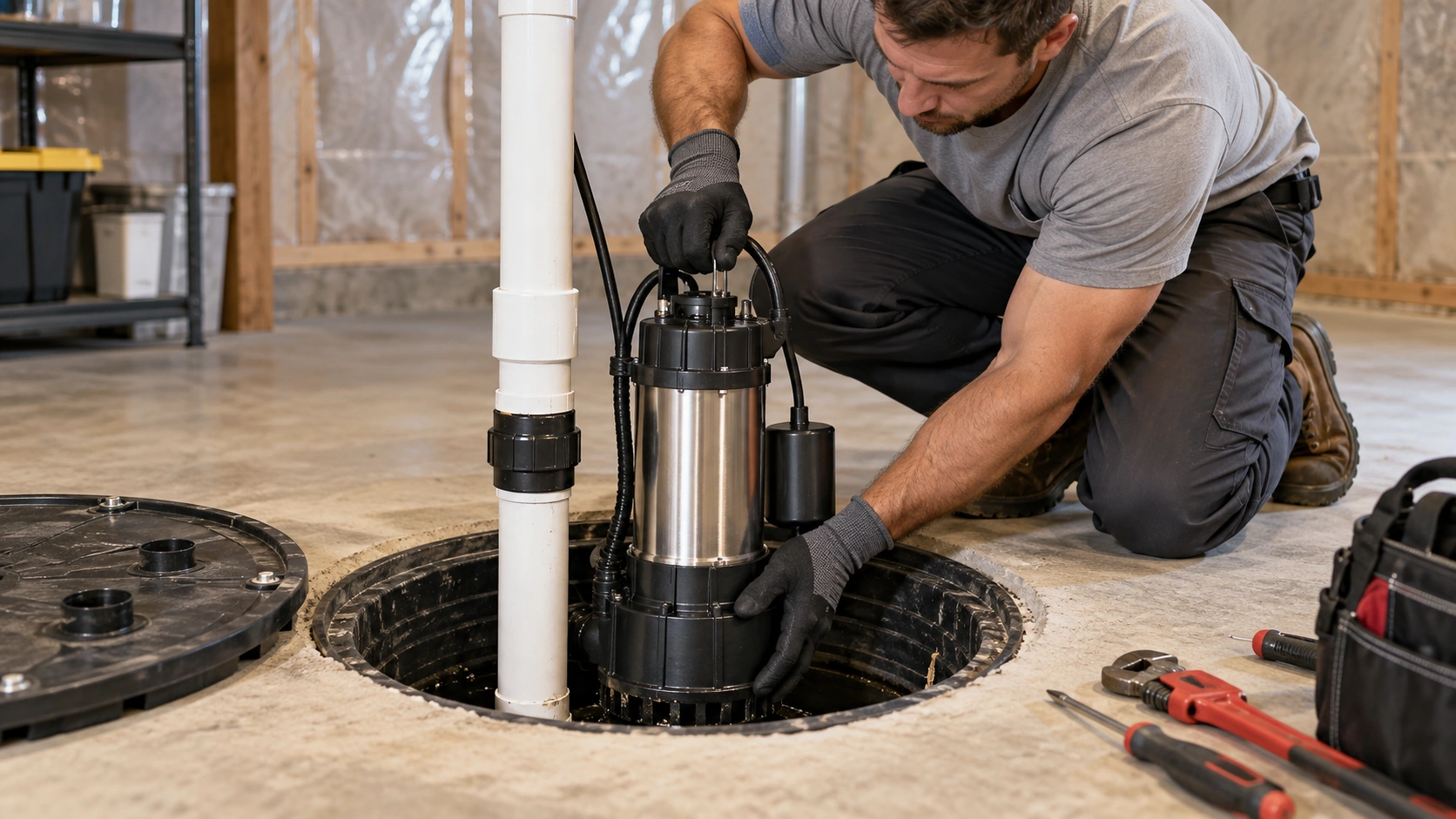
Connection lines fail when their slope, structure, or interior opening no longer supports steady gravity flow. Leaching areas fail when soil cannot accept wastewater at the required rate. Some conditions are repairable; others indicate that the affected section or complete system has reached the end of useful service.
The connection line has inadequate pitch or a low section that holds waste and paper.
Roots enter a joint or crack and create a recurring obstruction after ordinary clearing.
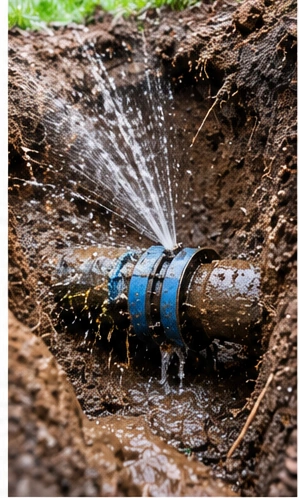
Older piping shifts, separates, crushes, or deteriorates beneath landscaping or a driveway.
Solids reach the leaching area and restrict the soil surface that should absorb liquid.
Heavy household water use, runoff, or prolonged rain overloads already stressed soil.
Established lots in North Massapequa may have mature trees, additions, and hardscaping above an older buried route. Closer to South Oyster Bay, including Nassau Shores and Biltmore Shores, elevated groundwater or saturated soil after storms can temporarily reduce absorption. Those conditions must be separated from permanent field failure.
What We Check First
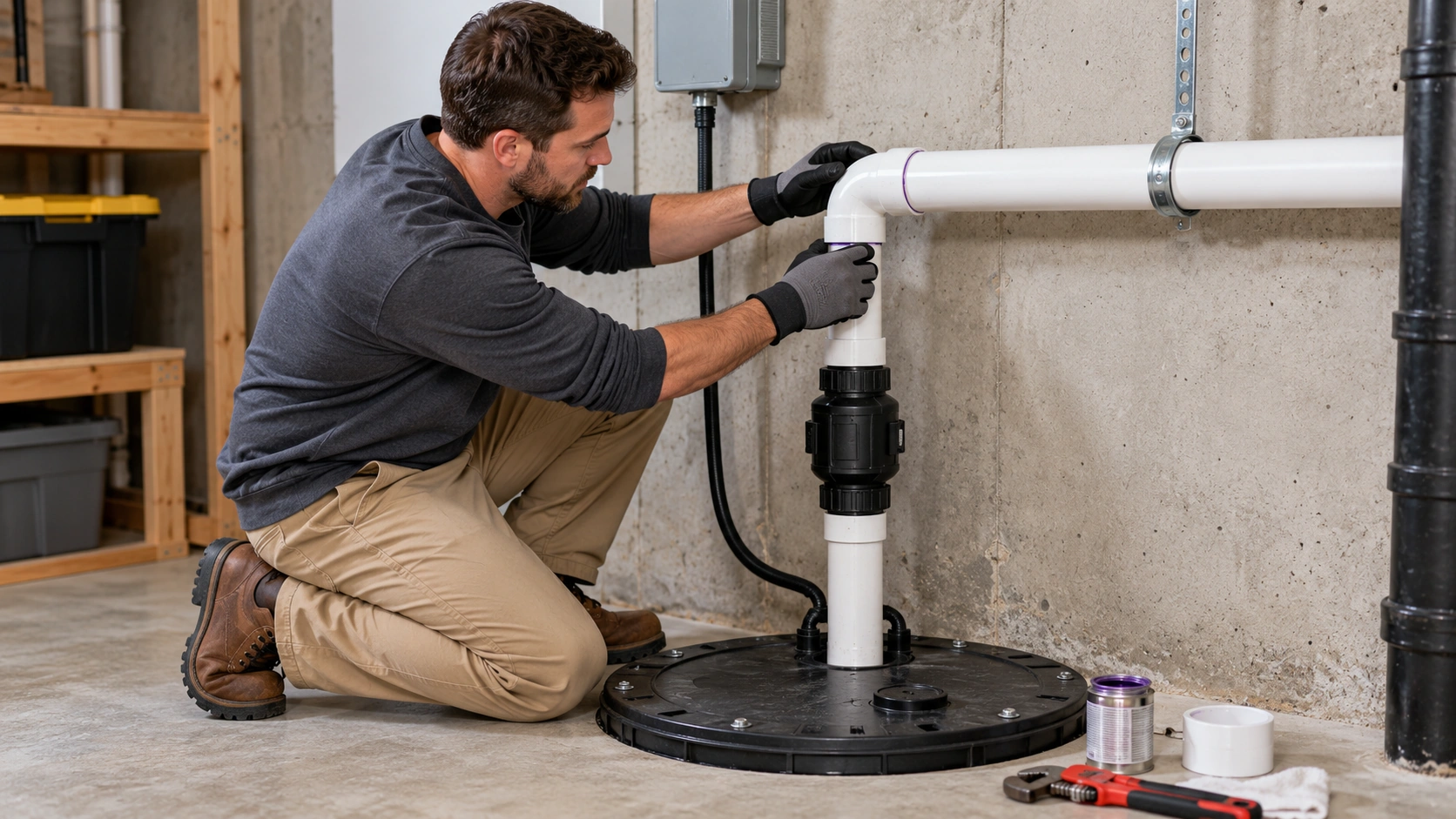
We first determine whether wastewater is leaving the building and reaching the cesspool. We ask which fixtures back up, whether pumping provided temporary relief, how quickly the system refilled, and whether rain changed the symptoms. We also review known line routes, system records, recent landscaping, additions, and earlier repairs.
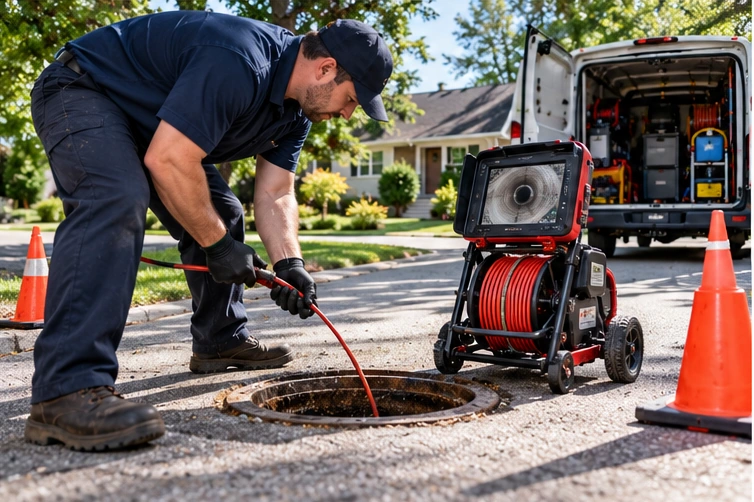
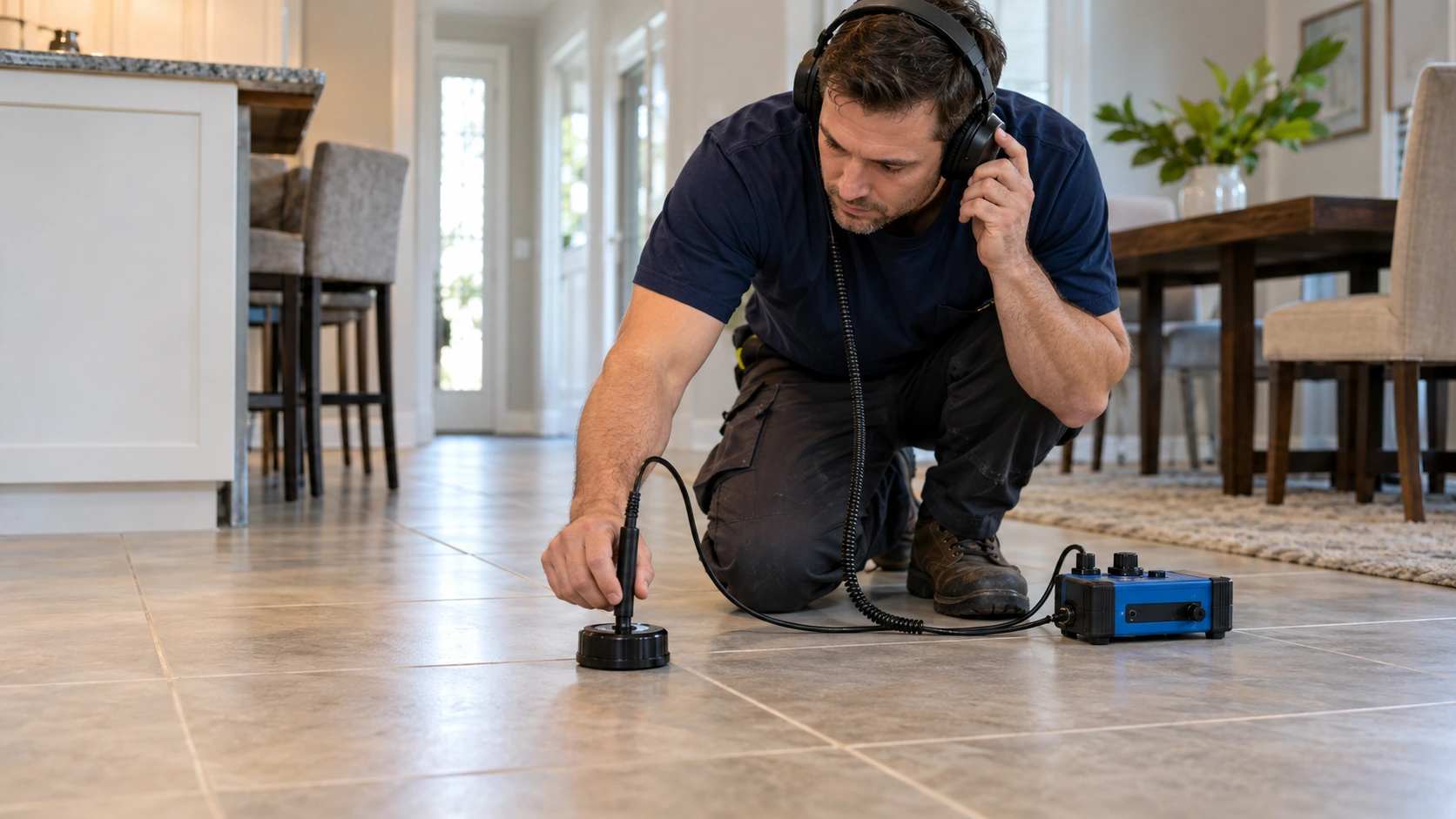
If the line is accessible, we clear enough of the obstruction to inspect it with a sewer camera. Standing water, offsets, roots, breaks, and repeated loss of visibility help locate the defect. A camera can reveal evidence of poor grade, but exact pitch and depth may require locating equipment and field measurements before replacement begins.
How Do We Repair a Connection Line or Leaching Field
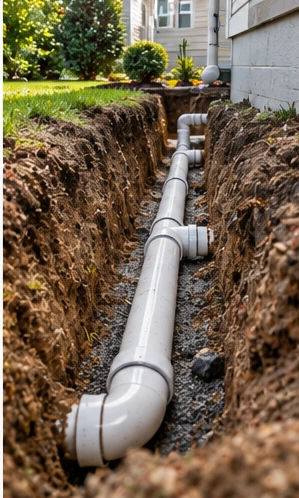
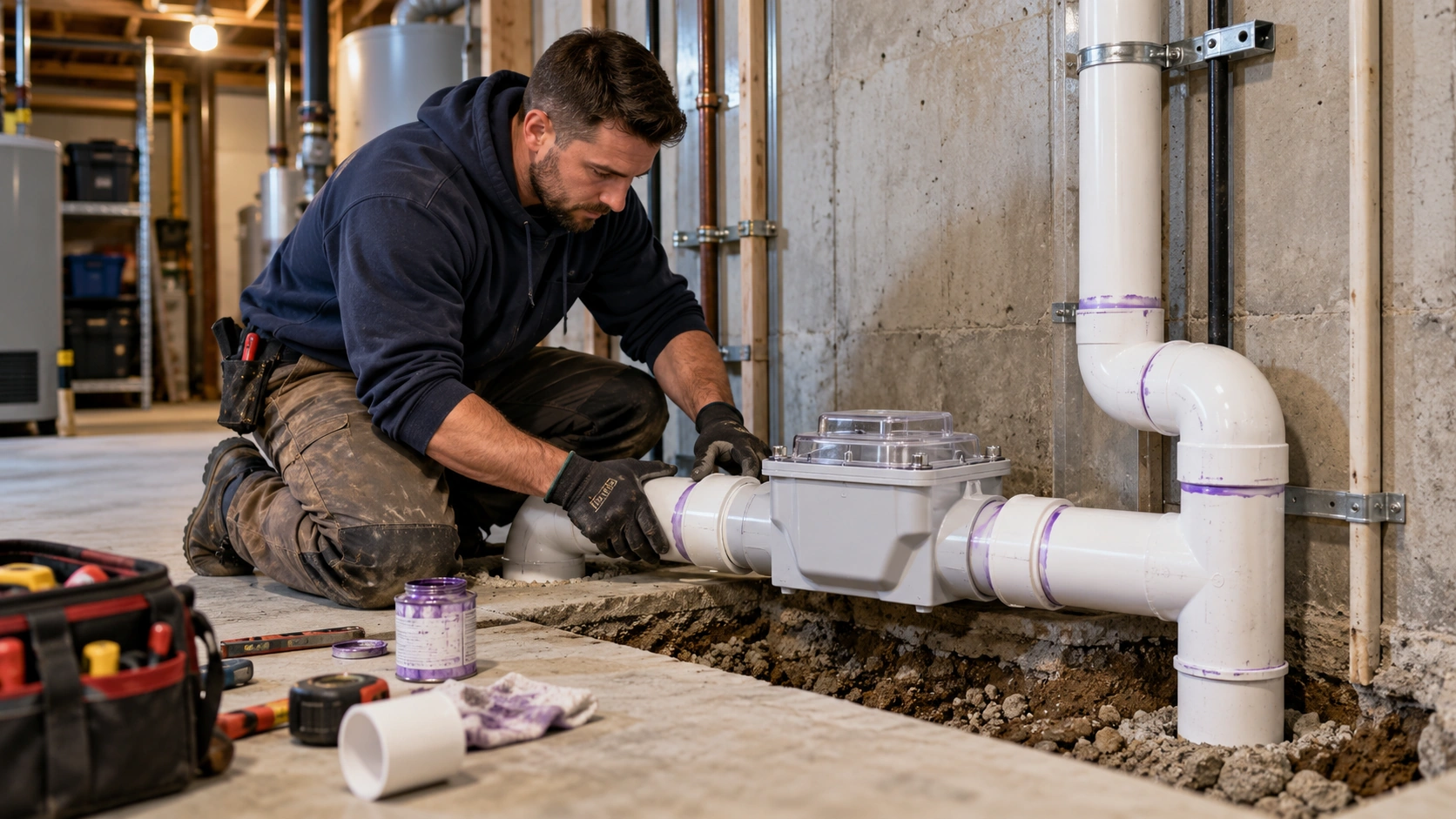
For a damaged connection, we mark the defect and compare spot repair with full line replacement. The selected section is exposed or accessed with an appropriate trenchless method when site conditions allow. Replacement piping is installed with supported, consistent slope and sealed connections so waste does not settle in another low point.
We then run water through the repaired route and complete a follow-up camera pass when appropriate. If the line is open but the cesspool is at capacity, a cesspool pumping service may be the correct next step. Fast refill from the disposal area after pumping can indicate poor absorption rather than another line blockage.
For a leaching field, we assess surface conditions, liquid return, distribution, recent rainfall, and system loading. A localized damaged pipe or distribution component may be repairable. When the receiving soil remains saturated or wastewater surfaces during dry conditions, expanding or replacing the disposal area may be safer than promising a short-lived restoration.
What Does Cesspool Line or Leaching Field Repair Cost
A localized connection-line repair may fall around $1,000 to $4,000, while a longer, deeper, or difficult replacement can exceed $4,000. Leaching-field rehabilitation commonly starts around $1,500 to $5,000, but substantial replacement can reach $8,000 to $20,000 or more. These are planning ranges, not fixed quotes.
Length, depth, access, pipe material, excavation, permits, groundwater control, disposal capacity, and restoration of paving or landscaping affect the total. Camera inspection, pumping, engineering, and contaminated-soil work may be separate. Massapequa Plumbing Experts explains the evidence and approved scope before repair begins.
Why Choose a Licensed Local Plumber
Massapequa Plumbing Experts brings 10 years of plumbing experience to building drains, underground connections, and wastewater-flow problems. We use targeted diagnostics before digging, document the failed area, and verify flow after repair. This approach helps owners avoid replacing a cesspool when the actual defect is in the pipe leading to it.
For related drain, water, fixture, and emergency work, visit the Massapequa plumber homepage.
Frequently Asked Questions
Is my cesspool problem really the tank, or could it be the line?
Many Massapequa cesspool complaints actually trace back to the connection line between the house and the tank rather than the cesspool itself, which is why we camera inspect before assuming the tank is the issue.
What happens if the line is installed at the wrong pitch?
An incorrect slope prevents wastewater from flowing properly to the cesspool, which causes recurring backups even right after a fresh pumping.
Can a saturated leaching field be repaired instead of replaced?
Sometimes, depending on soil condition and how long it's been overloaded; we assess the field directly to determine whether repair or replacement is the right call.