Gas Appliance Lines Planned for the Complete System
A new gas appliance needs more than a nearby pipe and connector. The existing system must have enough capacity for the added input, and the branch must be sized for its length, material, fittings, and total connected demand. The route, shutoff, support, protection, testing, and permit process also affect a safe installation.
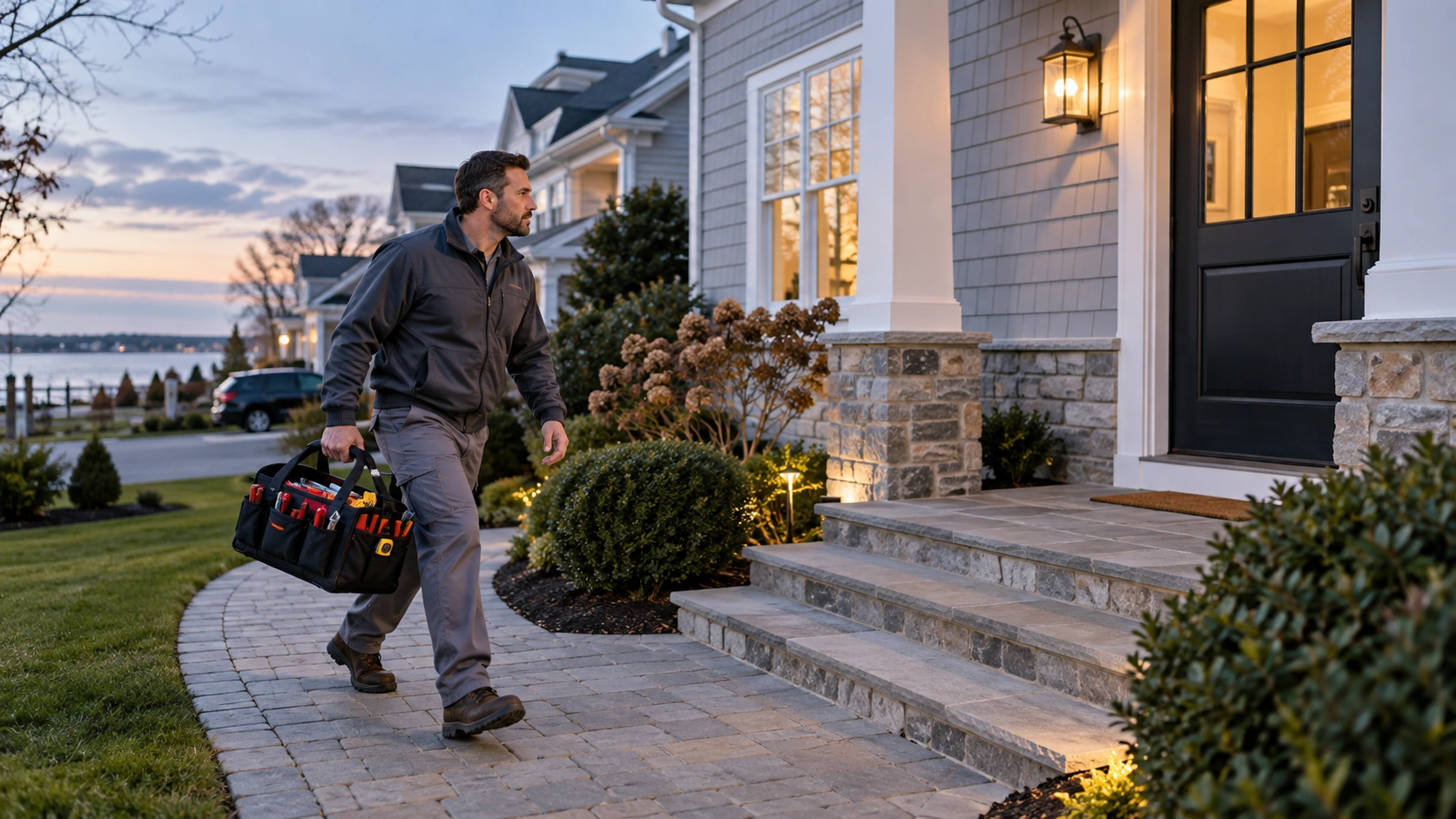
Massapequa Plumbing Experts handles new branches and approved modifications for Massapequa properties. We review the appliance specifications and existing piping before recommending a route, then provide the scope and price before approved work begins.
When Do You Need a New Gas Line?
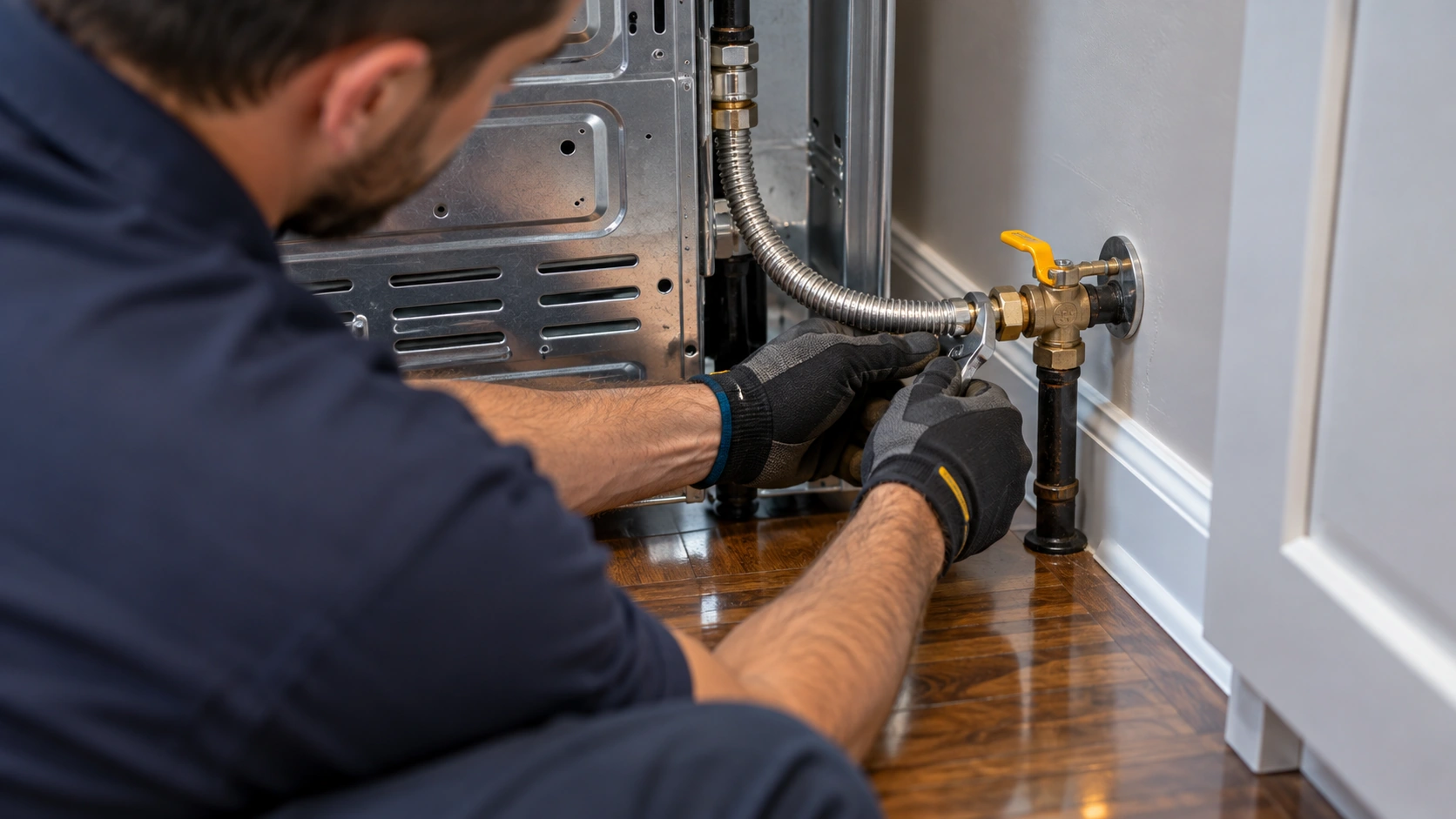
A dedicated installation is commonly needed when an appliance is added, relocated, or converted from electric power. Typical projects include:
Changing an electric range or cooktop to a gas model during a kitchen renovation.
Installing a gas dryer where the laundry area has no suitable branch and shutoff.
Adding a listed outdoor grill, fire pit, or outdoor-kitchen appliance on a patio.
Moving an appliance to a new wall, room, addition, or remodeled floor plan.
Replacing equipment with a higher input rating that changes the required pipe capacity.
Extending a branch where the existing line ends too far from the approved appliance location.
A capped pipe or old valve does not confirm that it can be reused. Its route, size, condition, material, and connection to the system must be checked.
What Matters in Massapequa Homes?
Many Massapequa houses have been expanded or remodeled. A kitchen, laundry area, fireplace, or patio may now sit far from the original utility layout, while later appliance additions can consume available capacity.
In Nassau Shores, Harbor Green, and Biltmore Shores, exterior routing may need to avoid finished patios, landscaping, and damp coastal exposure. We size from the building layout, route, appliance demand, and existing system, not the neighborhood alone.
What We Check First
We start with the appliance manufacturer’s input rating and installation requirements. Then we identify the fuel type, existing connected appliances, meter and supply considerations, accessible piping, proposed route, pipe length, elevation changes, shutoff location, ventilation responsibility, electrical needs, and the surfaces that may require access.
We also look for older valves, abandoned branches, unsupported piping, corrosion, and previous alterations. Venting, conversion kits, cabinetry, electrical work, or manufacturer startup may fall outside the gas-piping scope, so we explain responsibilities before work begins.
How Do We Install a New Appliance Gas Line?
1. Calculate Demand and Select the Route
We review the full connected load and determine whether the proposed branch can serve the new appliance. The route balances correct sizing, protection, inspection access, future service, and limited disruption to finished areas.
2. Install the Pipe and Shutoff
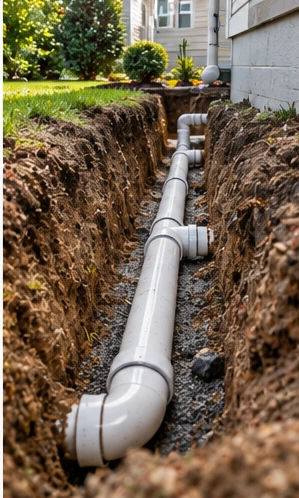
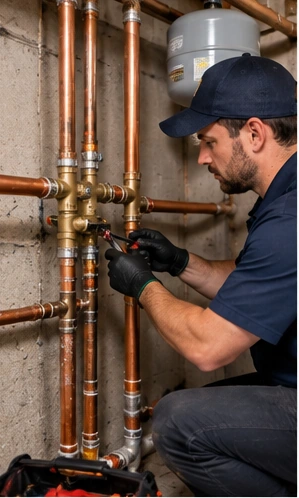
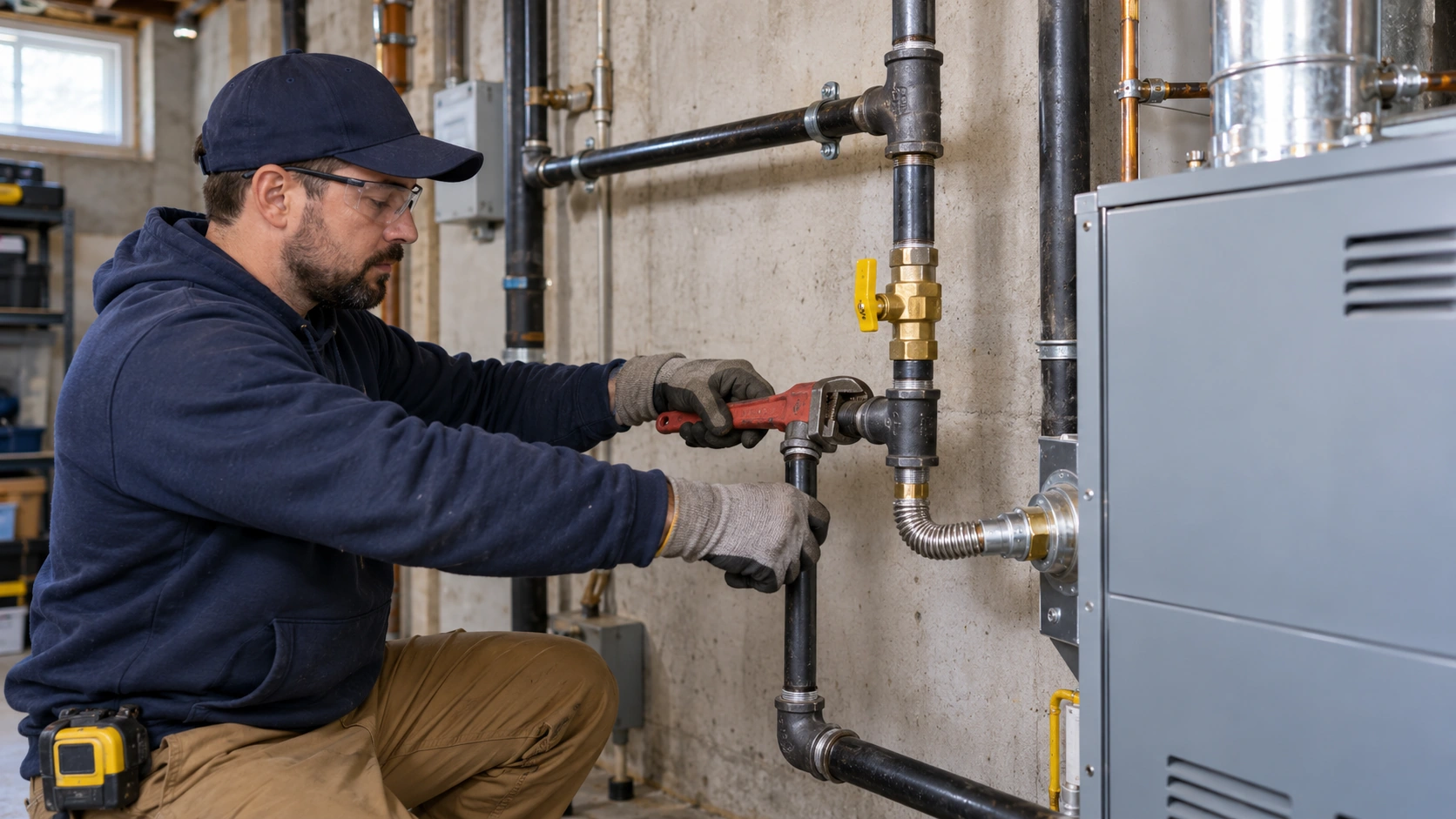
We install approved piping, fittings, supports, protection, and an accessible appliance shutoff. Outdoor lines are planned for exposure and physical protection. Buried or concealed work remains open for required inspection before closure.
3. Connect the Approved Appliance
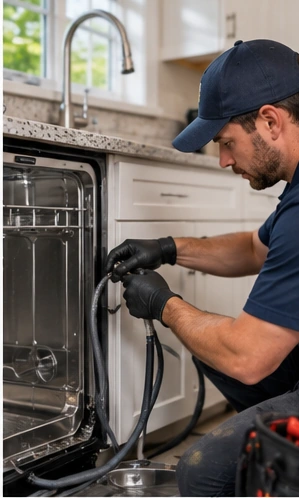
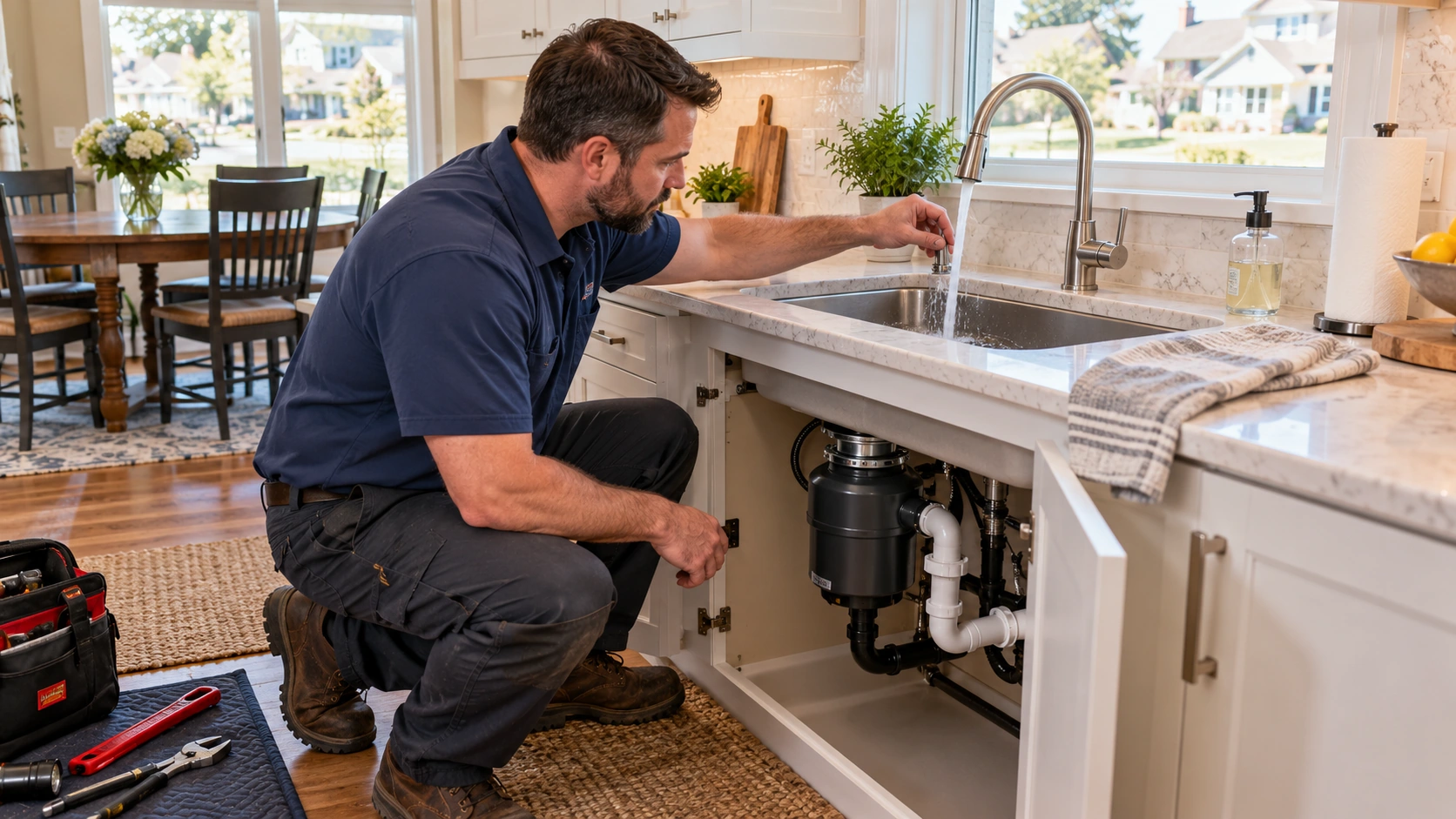
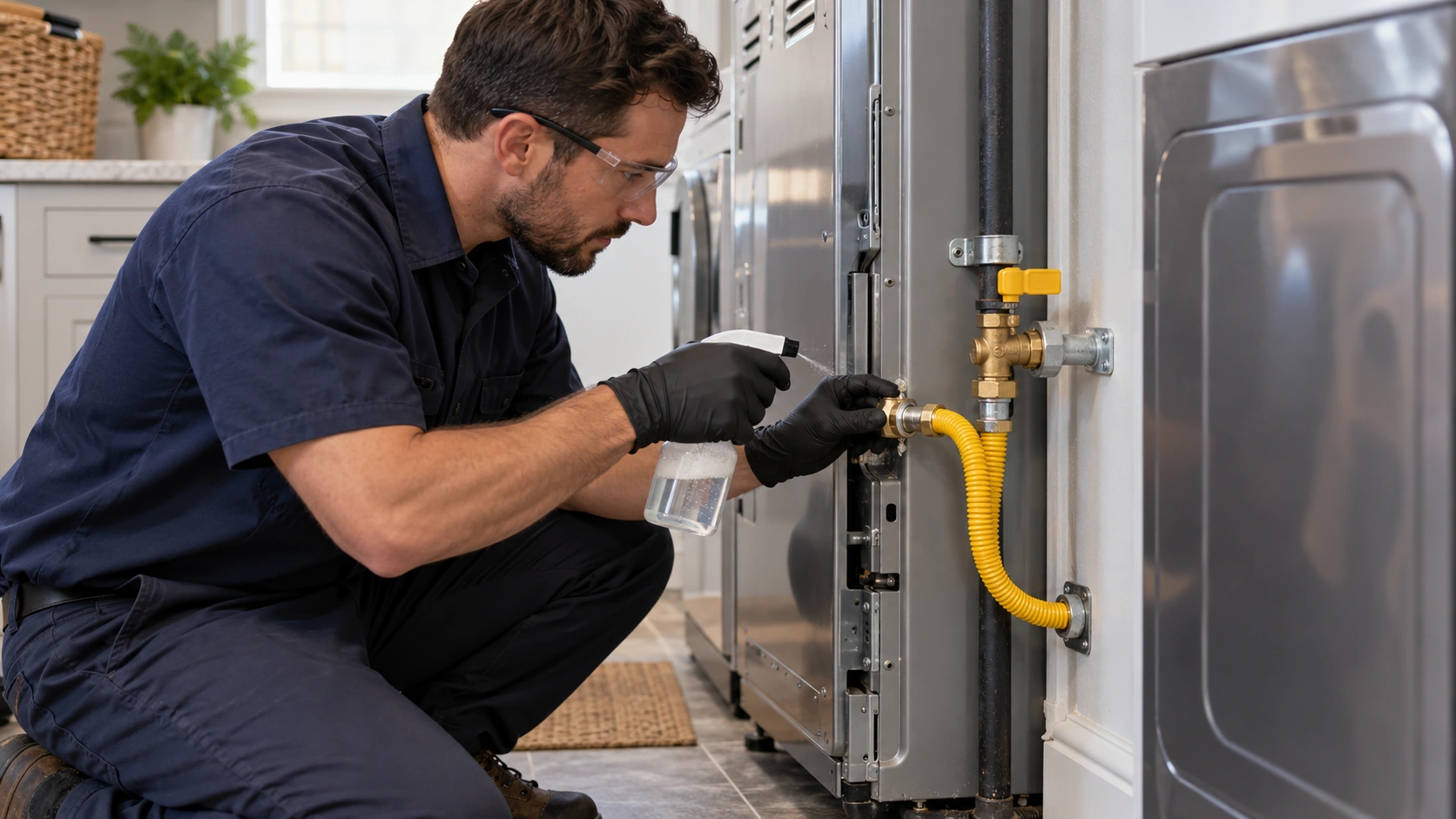
Where hookup is included, we use the correct connector and verify the valve and connection. Gas piping, appliance installation, venting, electrical work, and commissioning remain clearly assigned.
4. Pressure-Test and Coordinate Inspection
The completed piping is pressure-tested under applicable requirements before service is restored. We coordinate the Town of Oyster Bay permit and inspection steps that apply to the project and address the approved plumbing scope before final operation.
How Much Does Gas Line Installation Cost in Massapequa?
A short, accessible appliance branch may fall in the high hundreds to low thousands of dollars. Longer routes, larger pipe, concealed access, outdoor trenching, multiple appliances, permits, inspection corrections, or finish restoration can move the project into the several-thousand-dollar range or higher.
These are directional planning ranges, not exact or guaranteed prices. The final amount depends on line length, connected demand, route, material, access, appliance type, permit requirements, and whether existing piping needs correction. Massapequa Plumbing Experts provides the applicable written price after the site review and before approved installation begins.
Why Choose a Licensed Local Plumbing Team?
Massapequa Plumbing Experts brings 10 years of plumbing experience to gas-line sizing, routing, appliance connections, pressure testing, and permit coordination. We hold an active Town of Oyster Bay plumber's license for related plumbing work. That licensed oversight helps keep the installation tied to the actual appliance specifications and complete connected load.
We document the piping scope, work assigned to others, and warranty terms. This prevents unclear responsibility for the pipe, appliance, electrical supply, or venting.
Related Gas Line and Plumbing Services
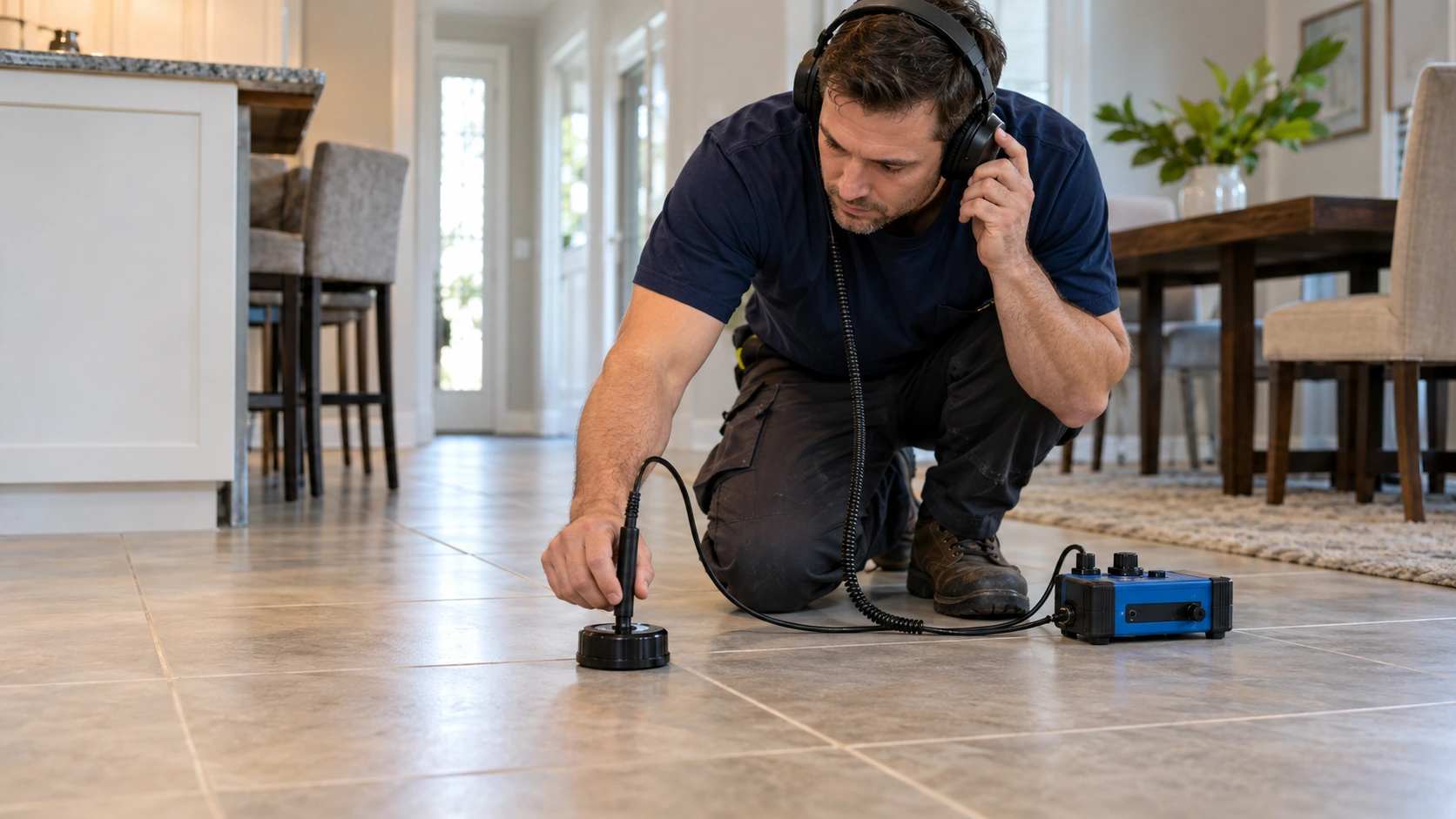
Gas Line Services Massapequa covers the complete gas-piping category. If an existing connection or line may be leaking, review Gas Line Repair & Leak Detection Massapequa. You can also return to the Massapequa plumber homepage for all plumbing services.
Frequently Asked Questions
Can you run a gas line to my patio for a grill or fire pit?
Yes, we install and connect outdoor gas lines sized and permitted correctly for grills, fire pits, and other outdoor appliances.
Do I need a permit to install a new gas line in Massapequa?
Yes, new gas line installation requires a Town of Oyster Bay permit and inspection, which we coordinate as part of the project.
Is it safe to switch my kitchen from electric to gas?
Yes, when installed and inspected properly; we size the line correctly and coordinate the required permit and inspection to make sure it's done safely.