


When Does a Basement Need a New Sump Pump
A new sump system is appropriate when groundwater repeatedly reaches the basement and there is no dependable way to collect and discharge it. Replacement is also justified when an existing pump cannot keep pace, cycles constantly, has an unreliable switch, or has reached the point where repair no longer provides dependable protection.
No sump pit exists, but water appears at the slab edge or wall-to-floor joint after prolonged rain.
The existing pump runs continuously while the water level keeps rising.
The basin is too small, damaged, full of sediment, or poorly positioned for incoming water.
The discharge line returns water toward the foundation, freezes, leaks, or empties in an unsafe location.
A basement is being finished and needs flood protection addressed before walls, flooring, and contents are installed.
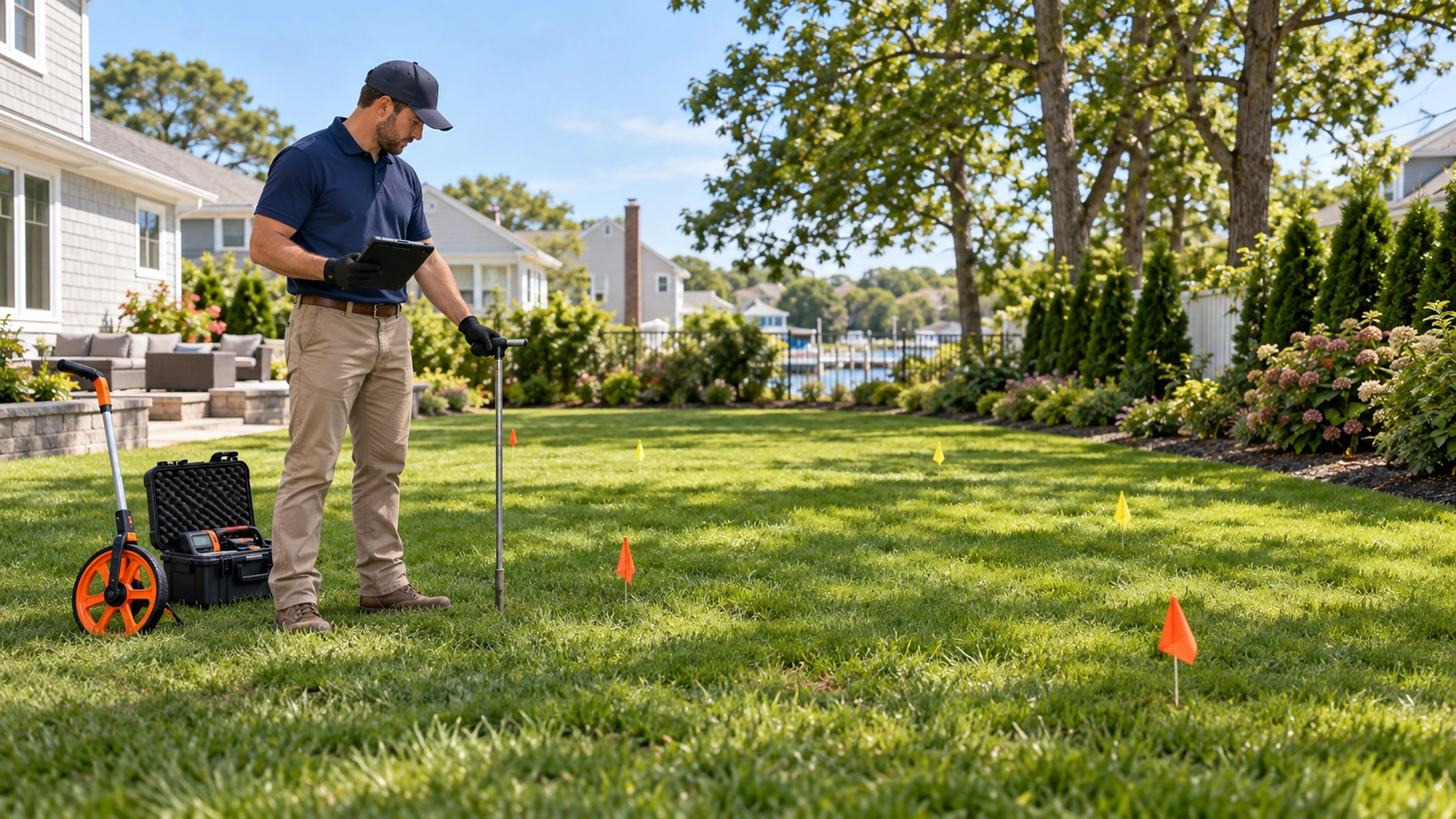
Homes near South Oyster Bay, the Massapequa Preserve drainage corridor, and low-lying southern neighborhoods may respond differently to extended rainfall than higher inland lots. Site elevation, foundation depth, soil saturation, and the water-entry path matter more than a neighborhood name alone.
What We Check First
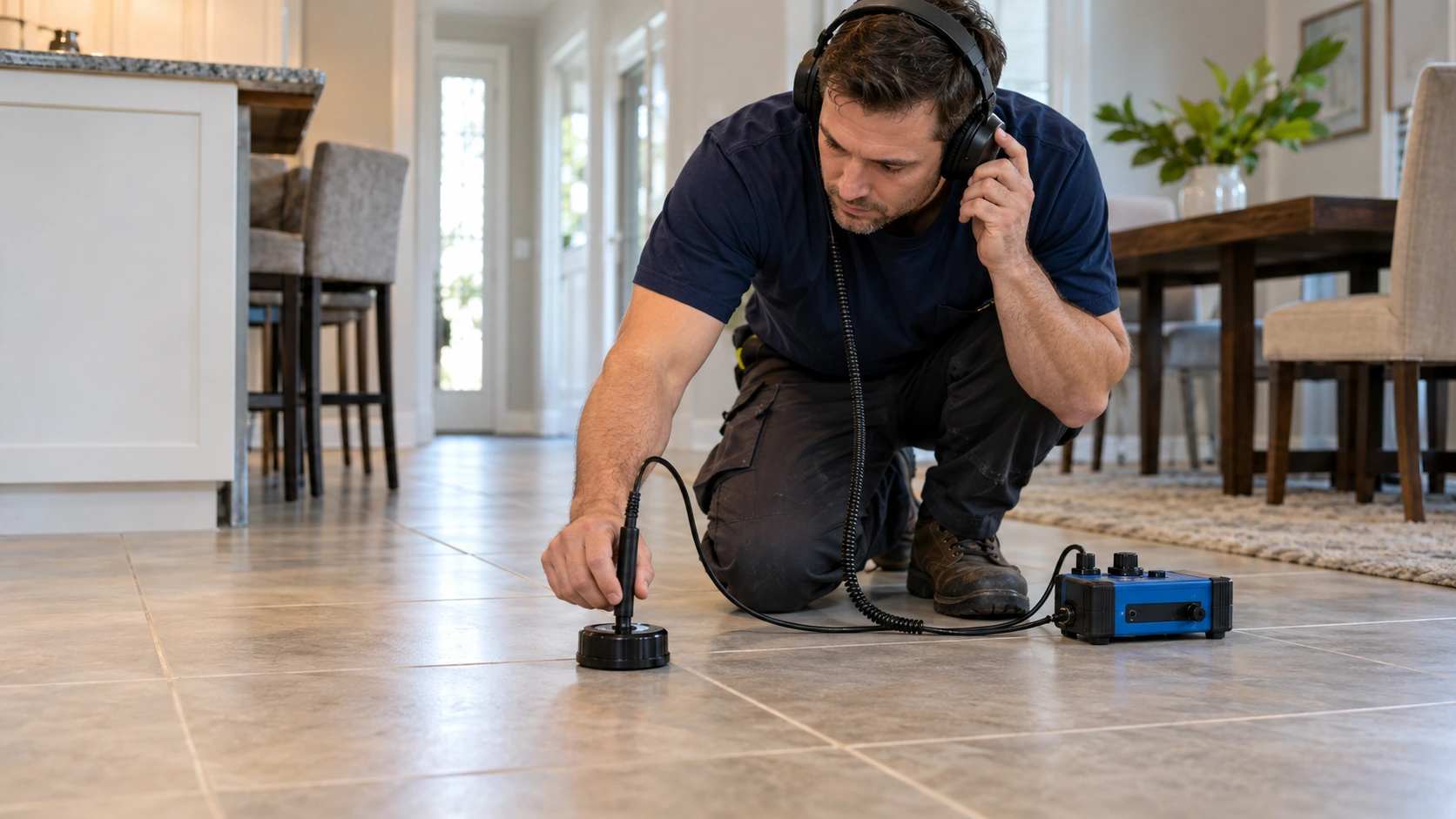
We first confirm that the incoming water is groundwater rather than a leaking supply pipe, roof runoff, or sewage backup. Then we inspect the slab, wall joints, existing basin, electrical supply, proposed discharge route, and evidence showing how high or quickly the water rises.
Pump selection is based on inflow, vertical lift, pipe length, fittings, and the capacity available at the actual operating head. Horsepower alone does not prove that a pump will move enough water. We also check whether the float can travel freely and whether the basin provides enough room for full pump cycles.
How Do We Install and Test the Sump System
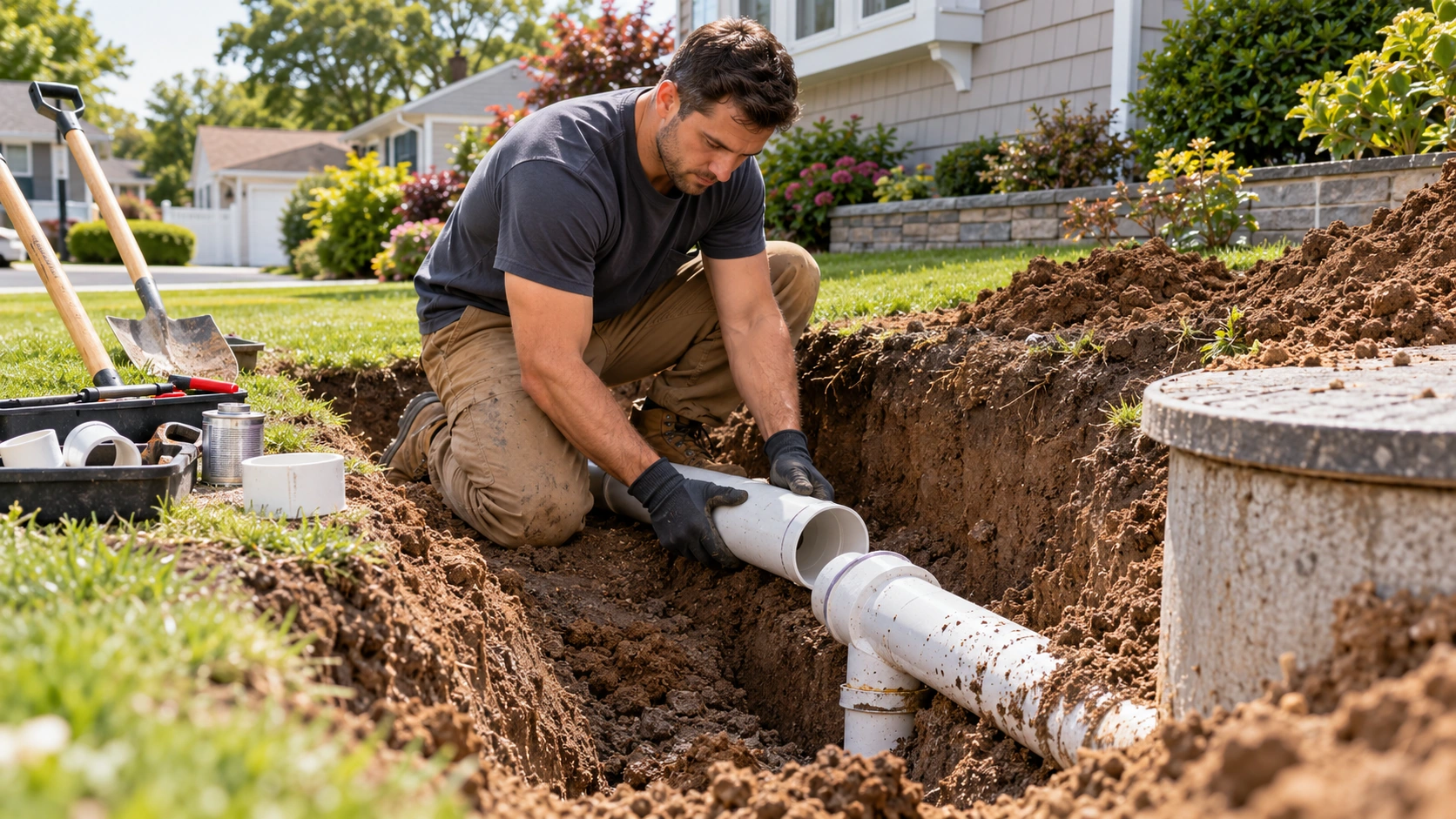
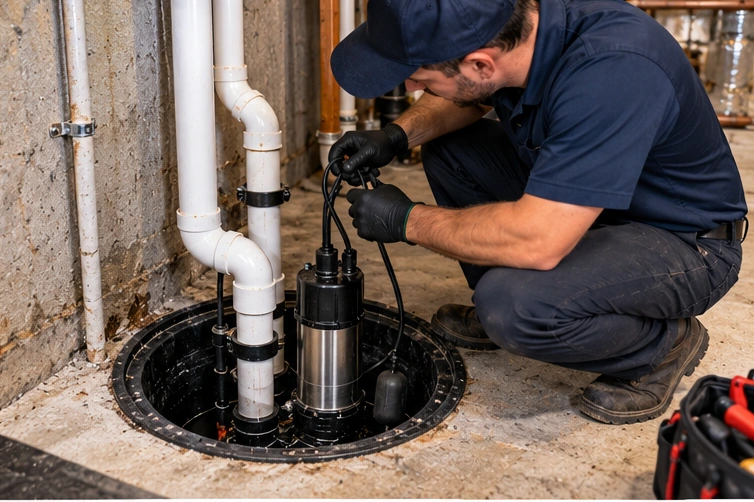
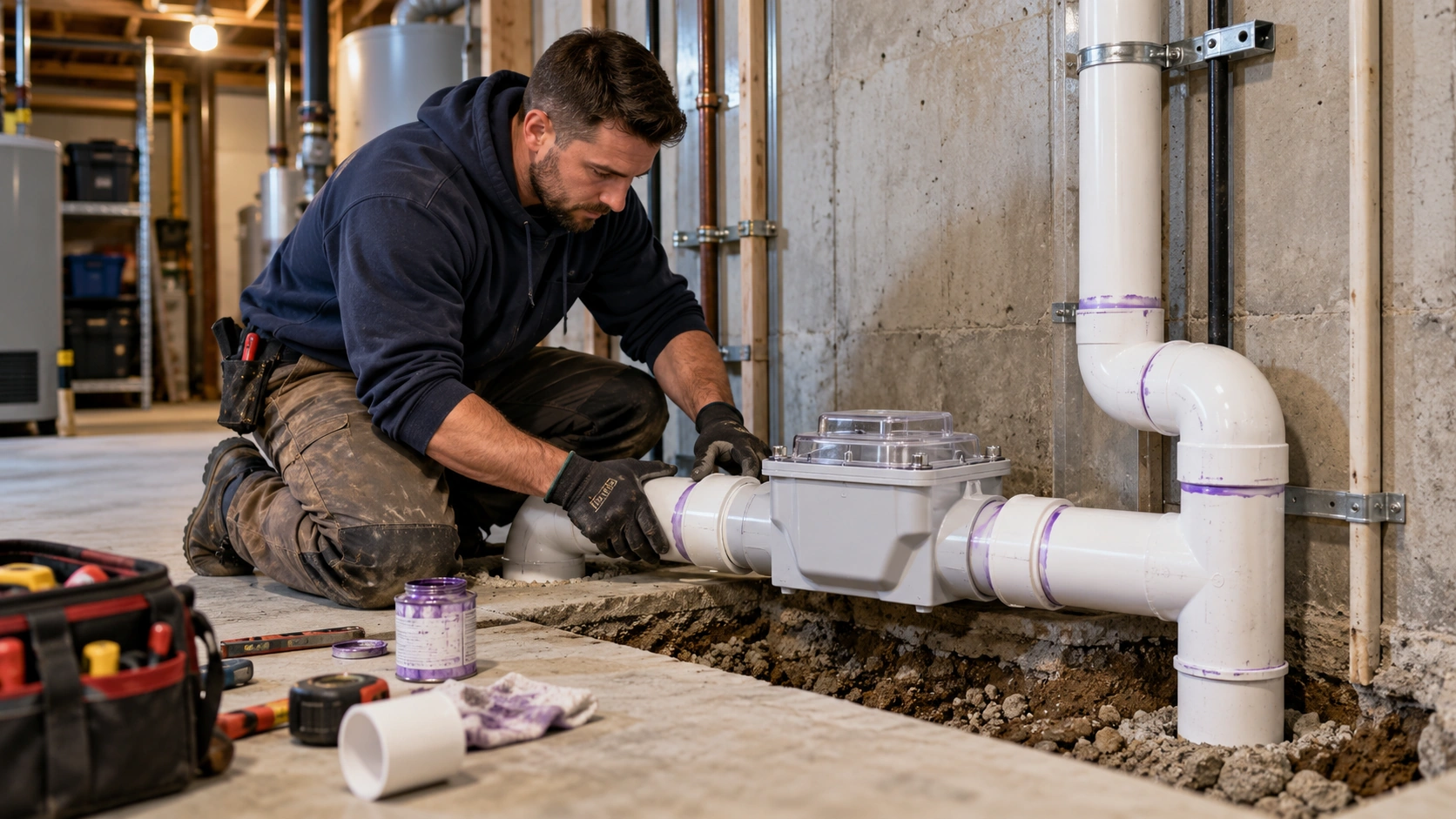
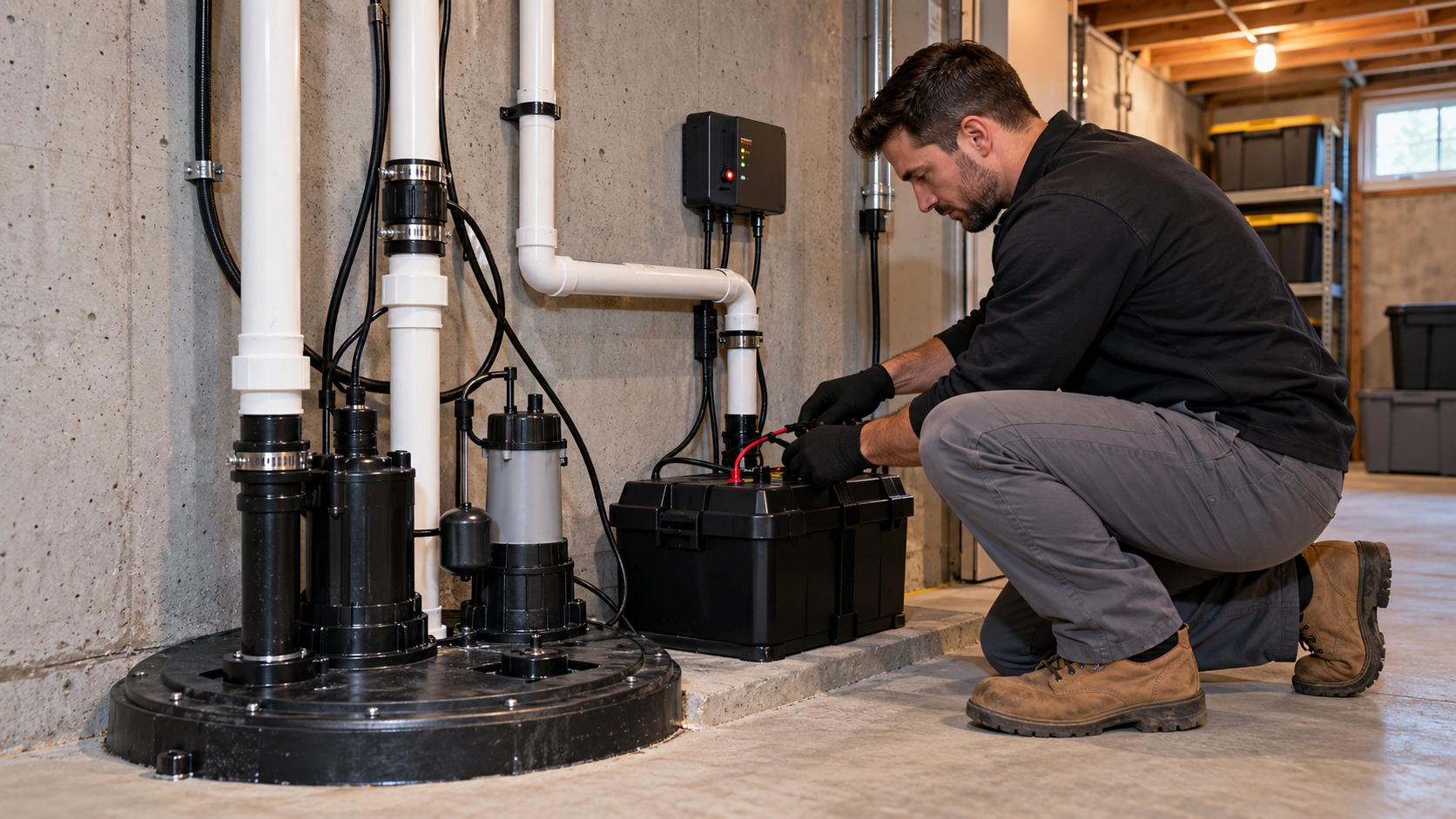
With a usable pit, we remove sediment, inspect the liner, set the pump on a stable base, connect the discharge, and install a check valve to limit return flow. A first-time installation may require opening the slab, excavating for a basin, adding drainage stone, and connecting an appropriate collection path before the pump is placed.
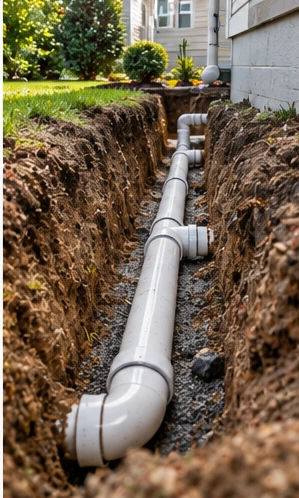
The discharge line is routed away from the foundation to a suitable outlet without creating a sidewalk hazard, sending water onto another property, or allowing the same water to cycle back. Routing and any required approvals are reviewed for the property before work begins.
After installation, we fill the pit and observe startup level, flow, check-valve operation, shutoff, refill, and several complete cycles. The owner receives the equipment details, testing results, maintenance points, and applicable product and workmanship warranty terms in writing. This documentation gives the owner a useful record for future testing, maintenance, and warranty questions.
How Much Does Sump Pump Installation Cost
Replacing a pump in a serviceable existing pit commonly costs about $700 to $1,800. A new basin, pump, and discharge route may cost roughly $2,500 to $5,000. These are directional Long Island ranges, not fixed quotes. Slab cutting, basin depth, pump capacity, discharge distance, vertical lift, electrical work, access, alarms, and finished surfaces affect the final scope.
Battery backup, perimeter drainage, waterproofing, sewage cleanup, backwater valves, and restoration are separate unless listed in the estimate. Massapequa Plumbing Experts explains what is included before approved work begins.
Why Choose a Licensed Local Plumber
Massapequa Plumbing Experts brings 10 years of plumbing experience to pump systems, drainage problems, and basement water entry. We diagnose the source before recommending equipment, protect the work area, and test the completed system under realistic operating conditions instead of relying on a quick power check.
For broader groundwater, backup-power, and sewage-backflow solutions, review our sump pump and basement flood-prevention service. Visit the Massapequa plumber homepage for the complete plumbing service scope. A sump pump battery backup can also keep pumping during an outage or primary-pump failure.
Frequently Asked Questions
Do all Massapequa basements need a sump pump?
Not all, but any basement near the Preserve, canal-front, or with a history of dampness benefits significantly, given how close much of the town sits to a high water table.
Where does the discharge water go once it's pumped out?
We route discharge piping at least ten feet from your foundation to grading that carries it away rather than letting it cycle back toward the basement.
How long does a sump pump installation take?
Most installations in an existing basement are completed in a single day, depending on pit condition and discharge line routing.