

What Does a Septic Inspection Cover
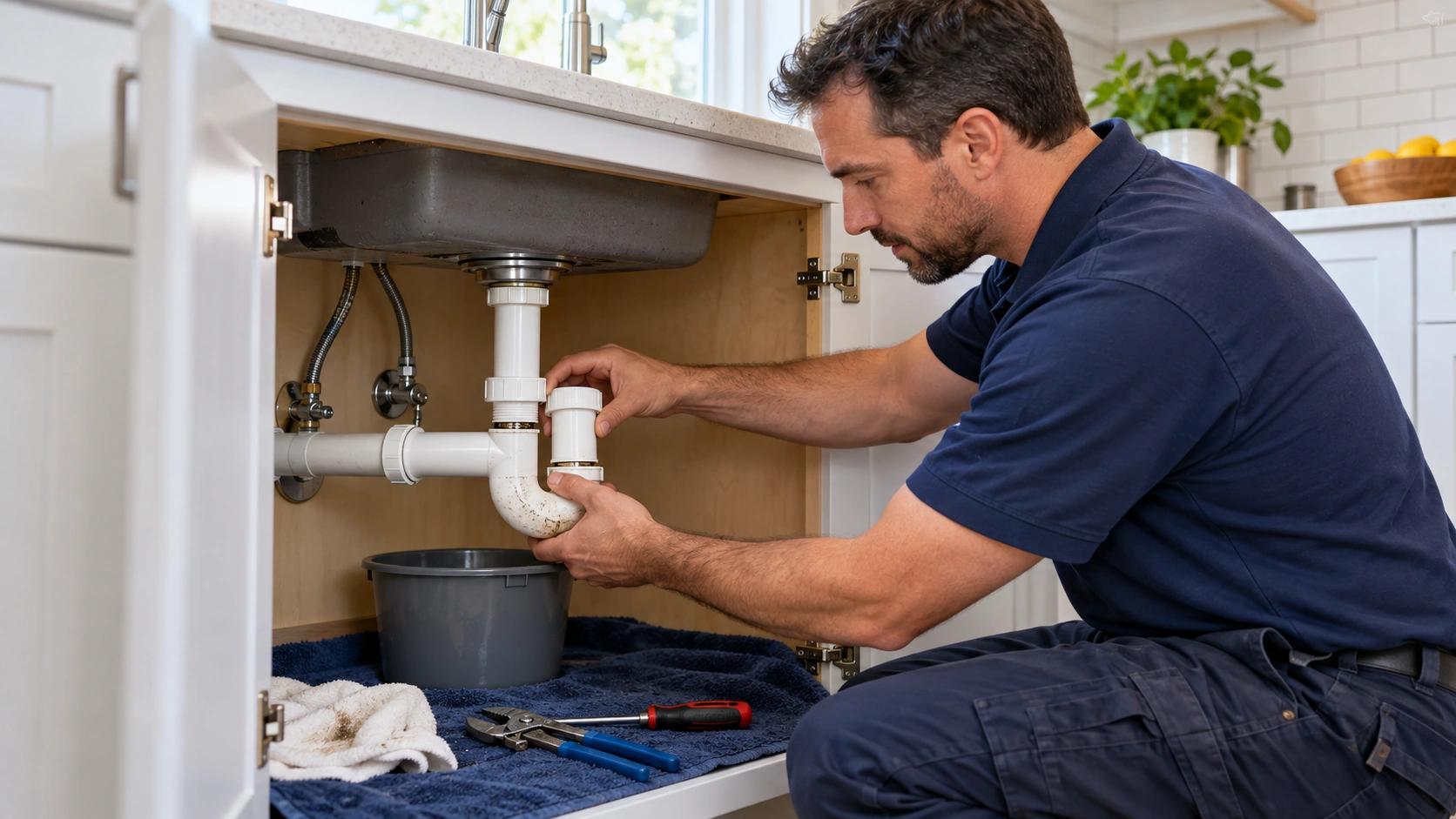
A septic inspection documents how an onsite wastewater system is configured and how its accessible components perform on the inspection date. The scope may include locating the tank or cesspool, checking covers and inlet flow, reviewing liquid level, looking for structural damage, and observing whether wastewater reaches and leaves the system as expected.
The report should distinguish observed conditions from assumptions. Older properties may have a single cesspool, multiple overflow pools, a septic tank with a separate absorption area, or piping changed during a renovation. Existing plans and service records help, but the field layout still needs to be confirmed when access and site conditions allow.
For maintenance, repair, and system diagnosis beyond an inspection, review our cesspool and septic services.
When Do You Need Inspection and Compliance Records
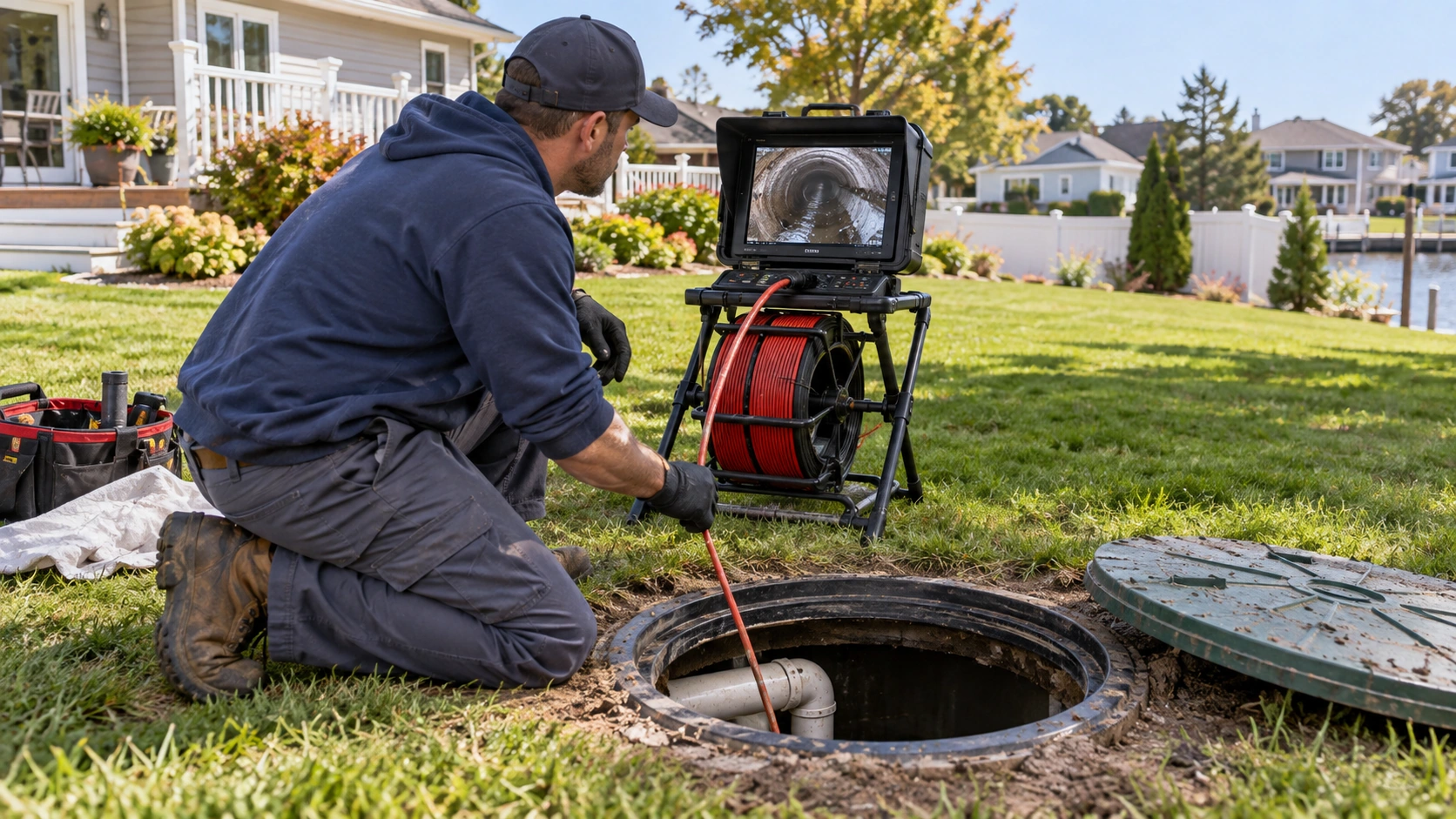
Arrange an inspection when a buyer, lender, attorney, insurer, permitting office, or another reviewing party asks for current system information. The required scope and acceptable document can differ by transaction and project, so confirm the request before scheduling. Do not assume a routine pumping receipt will satisfy an inspection or compliance request.
A home sale is pending and the buyer or lender wants the system condition documented.
Previous pumping and disposal records are missing, incomplete, or too old for the reviewer.
A building or plumbing permit application requires information about the existing wastewater system.
Repeated slow drains, odors, wet ground, or short pump-out intervals raise concern about system performance.
Massapequa properties do not all present the same inspection conditions. A system on an established North Massapequa lot may be hidden by later patios, driveways, or additions. Near Nassau Shores and South Oyster Bay, saturated soil or elevated groundwater after prolonged rain can affect what is observed. Weather and recent water use belong in the inspection record.
What We Check First
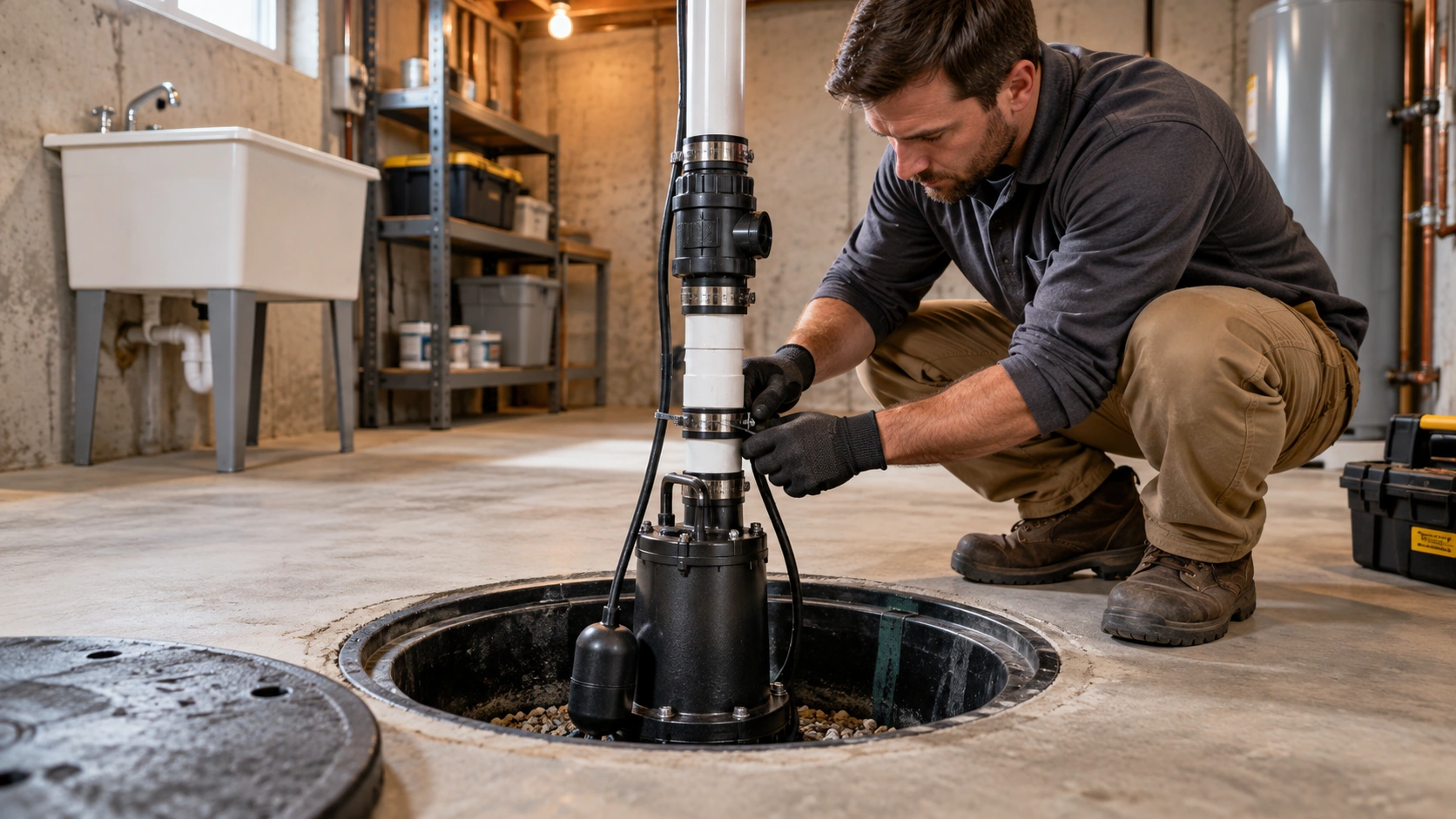
We first confirm why the inspection is being requested and who will rely on the report. That determines whether the visit is a maintenance assessment, a real-estate inspection, or documentation connected to a permit or other review. We ask for available site plans, prior service invoices, pumping records, and known repair history before opening the system.
On site, we verify the probable system location, safe access, affected fixtures, and whether the property appears connected to an onsite system or sewer. We note buried covers, limited truck access, multiple disposal structures, and recent backups. These details prevent a narrow visual check from being presented as a complete evaluation.
How Do We Inspect and Document the System
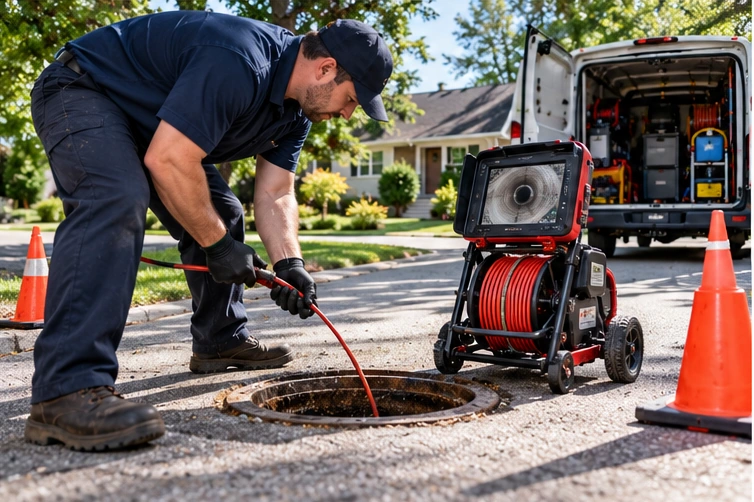
The inspection starts with system identification and access. We examine visible covers, the inlet area, liquid level, flow from the building, and accessible structural surfaces. When conditions permit, a controlled water-flow test helps show whether wastewater reaches the system normally. We record signs of leakage, deterioration, blockage, overflow, or poor absorption.
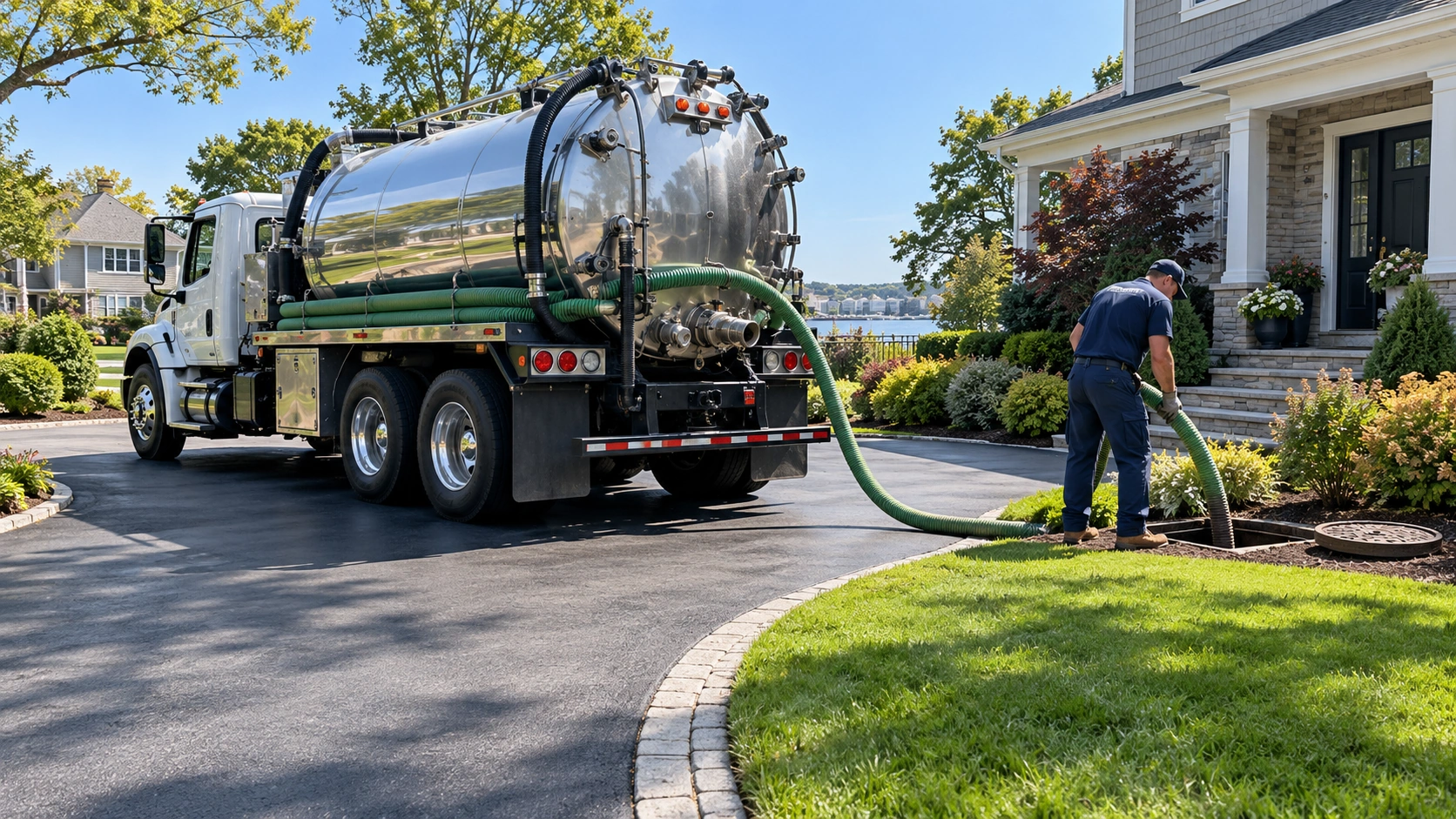
Pumping may be needed when accumulated waste prevents a meaningful view or when the agreed scope calls for it. Our cesspool pumping service removes the contents, allows accessible components to be viewed, and creates a disposal record. Pumping is not automatically included in every inspection and does not correct a cracked structure, failed connection, or exhausted absorption area.
The completed record describes the system found, access conditions, work performed, observed defects, waste removed when applicable, and recommended next steps. Compliance decisions remain with the authority or transaction party requesting the documentation. Owners should verify current forms, timing, and submission requirements directly before relying on any report for a closing or permit.
What Does a Septic Inspection Cost
A residential septic or cesspool inspection commonly falls around $250 to $650 as a planning range. The final price depends on the required report, system type, number of structures, access, whether the cover must be located or excavated, and whether pumping or a camera inspection is needed. Transaction deadlines can also affect scheduling.
Pumping, disposal, line clearing, excavation, repairs, engineering, permit fees, and re-inspection are separate unless the written scope includes them. Massapequa Plumbing Experts explains what the quoted inspection covers before work begins and identifies additional work for approval instead of treating every finding as part of the base price.
Why Choose a Licensed Local Plumber
Massapequa Plumbing Experts brings 10 years of plumbing experience to building drains, house connections, wastewater flow, and onsite-system diagnosis. That broader view helps separate a full or failing system from a damaged pipe between the building and tank. Owners receive plain findings, supporting records, and practical next steps without a repair being presented as mandatory before the evidence supports it.
For related drainage, water, fixture, and emergency services, visit the Massapequa plumber homepage.
Frequently Asked Questions
How often does Nassau County require septic inspections?
Nassau County requires inspections by licensed professionals on a regular cycle, and missing or inadequate records can result in fines during a review or sale.
What happens if my system fails inspection?
We provide a clear breakdown of what's failing and a repair plan, then re-inspect once the work is complete so you have compliant documentation.
Do I need a septic inspection to sell my Massapequa home?
Many buyers and lenders require current inspection documentation before closing, so it's worth scheduling well ahead of a planned sale.