
Scheduled Grease Trap Service for Commercial Kitchens
Grease trap cleaning removes fats, oils, grease, food solids, and wastewater before buildup reduces capacity or reaches downstream piping. The correct service interval depends on trap size, kitchen volume, menu, operating hours, staff practices, and any requirement established by the property, sewer authority, or service agreement.
Massapequa Plumbing Experts serves local restaurants, cafés, delis, bakeries, catering kitchens, and institutional food service. Trap service and drain cleaning are related but different: emptying an interceptor does not clear every restricted branch, and line cleaning does not replace overdue trap service.
What Signs Mean a Grease Trap Needs Cleaning?
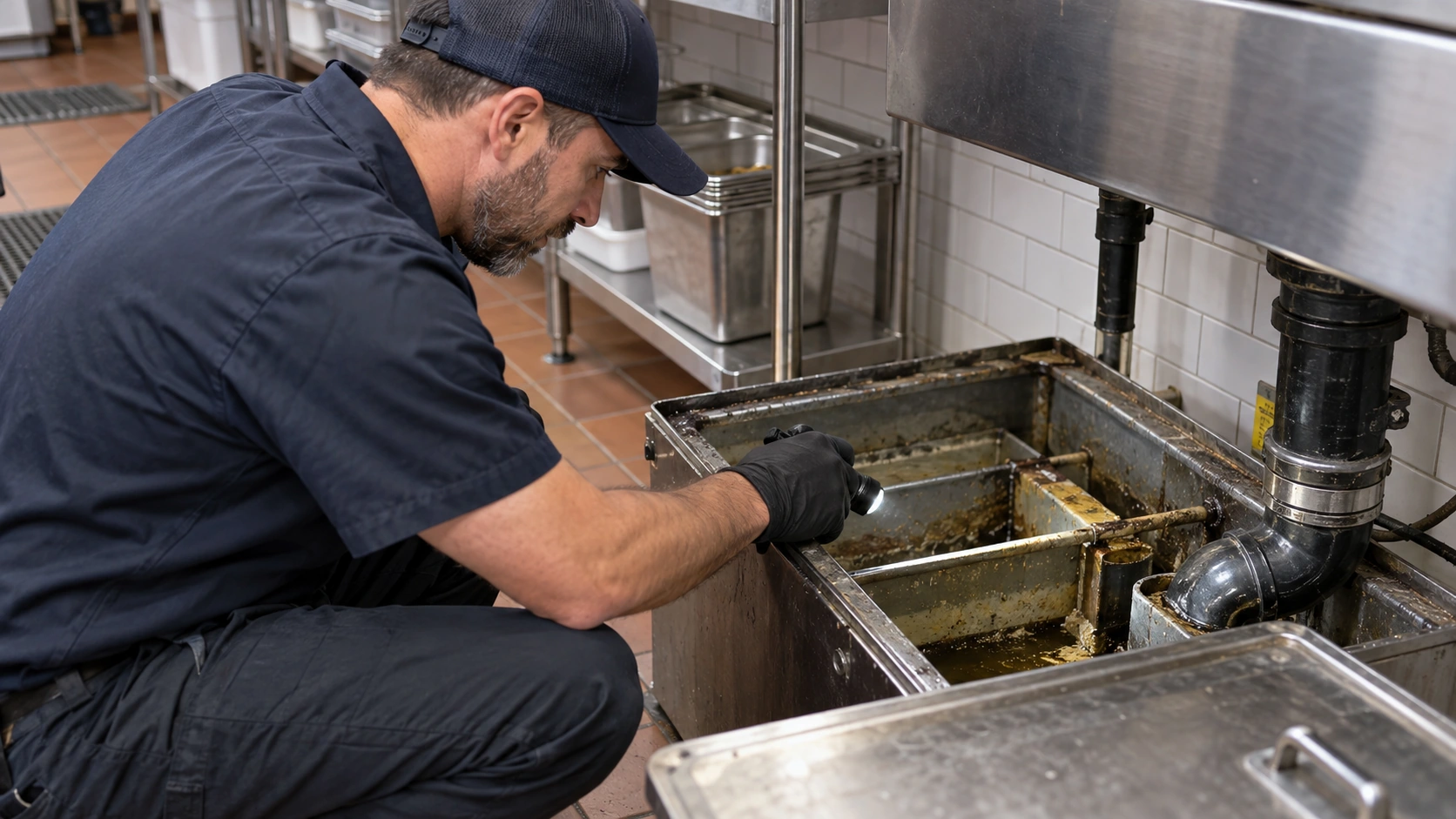
Do not wait for a full backup if staff already see a pattern. Arrange service when the kitchen shows any of these conditions:
A persistent grease, sour, or sewage-like odor near the back-of-house area.
Slow draining at prep sinks, dishwashing stations, floor drains, or service sinks.
Grease or wastewater visible around the trap lid, access cover, or connected drain.
Gurgling, recurring clogs, or water rising in another fixture when the kitchen drains.
The recorded cleaning date is overdue under the property’s maintenance schedule.
The trap reaches its practical accumulation limit sooner than expected because kitchen volume increased.
Odor alone does not prove the trap is full. A dry floor drain, damaged seal, leaking cover, or line buildup can create a similar complaint. We inspect before assuming pumping alone will solve it.
Why Grease Problems Develop in Massapequa Restaurants
Busy kitchens along the Sunrise Highway, Merrick Road, and Massapequa rail-station corridors can generate sharply different grease loads. A breakfast counter, pizza kitchen, bakery, and full-service restaurant may have similar seating but very different fats, oils, solids, detergent, and hot-water use. The maintenance interval must reflect actual operation.
Problems also develop when scrape practices change, equipment is undersized, a baffle or cover is damaged, or an old schedule remains after volume grows. Repeated line cleaning without checking the trap can leave the source unaddressed.
What We Check First
We start with the equipment location, trap or interceptor size, last documented service, kitchen volume, affected fixtures, odor pattern, access conditions, and any recent backup. We ask whether symptoms occur throughout the day or mainly during dishwashing and closing cleanup, when flow and grease discharge can peak.
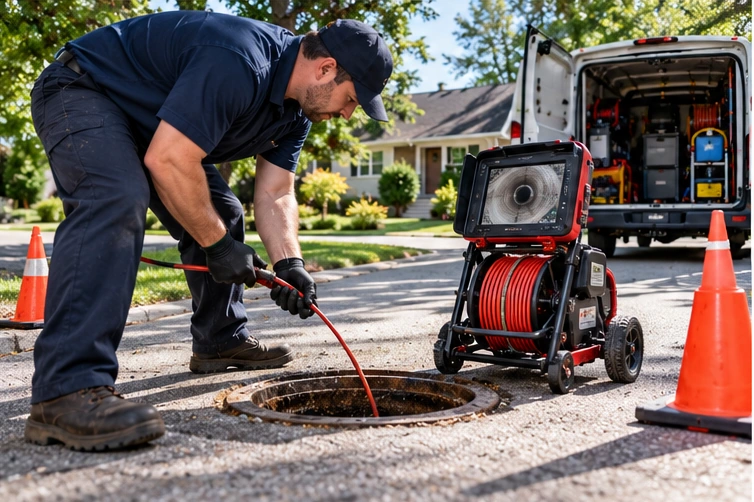
We inspect accessible covers, seals, baffles, inlet and outlet conditions, leakage, and nearby drains. Continued slow flow may require separate drain cleaning or camera evaluation. The proposal identifies what is included.
How Does Grease Trap Cleaning Work?
1. Protect the Work Area and Open the Trap
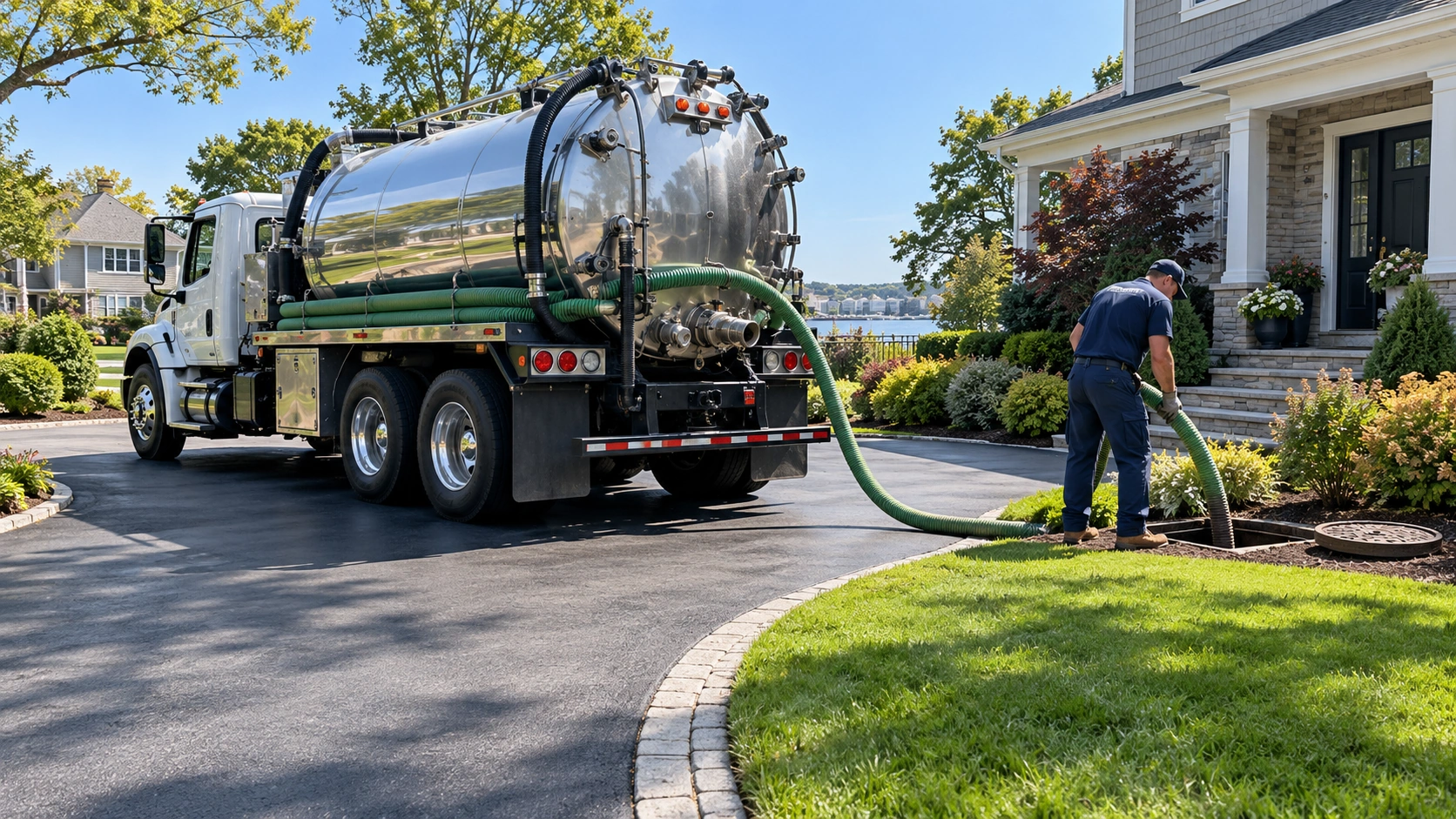
We coordinate access with the kitchen contact, protect the service area, and open the unit without unnecessarily disrupting food preparation. The condition and approximate accumulation are noted before removal.
2. Remove Grease, Solids, and Wastewater
Accumulated material is removed so usable separation capacity is restored. Accessible surfaces and components are cleaned as appropriate for the equipment and scope.
3. Inspect Accessible Components
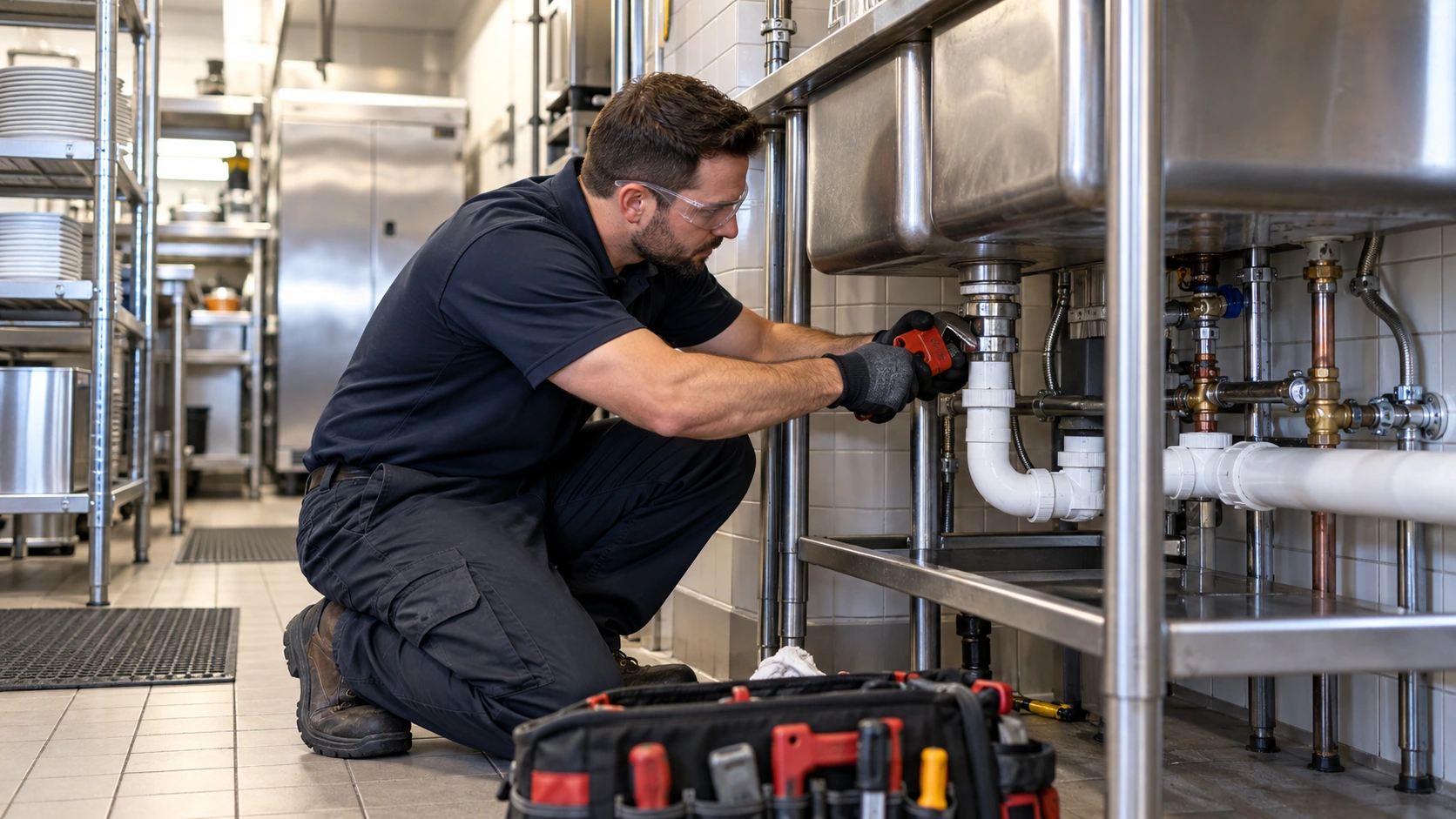
We check visible baffles, tees, covers, seals, and inlet and outlet conditions for damage, wear, or blockage. Cleaning can reveal defects that were hidden by accumulated material. Repairs are explained and quoted separately when they fall outside the approved cleaning.
4. Restore the Unit and Verify Flow
The unit is reassembled, covers are secured, and accessible fixtures are checked for normal flow. A persistent downstream restriction is identified as separate drain work rather than concealed within the cleaning charge.
5. Document Service and Set the Next Date
The service record notes the date and completed scope for the business files. The next interval is based on accumulation, operating volume, prior history, and applicable requirements instead of a one-size-fits-all schedule.
How Much Does Grease Trap Cleaning Cost in Massapequa?
Small, accessible indoor trap service may fall in the several-hundred-dollar range. Larger interceptors, difficult access, heavy accumulation, after-hours scheduling, added drain cleaning, damaged components, or disposal requirements can move the job into the high hundreds or low thousands.
These are directional planning ranges, not exact or guaranteed prices. Cost depends on unit size, material volume, access, service frequency, kitchen schedule, condition, and whether a backup or downstream blockage needs separate work. Massapequa Plumbing Experts provides the applicable written price before approved service begins.
Why Choose a Licensed Local Commercial Plumber?
Massapequa Plumbing Experts brings 10 years of plumbing experience to commercial drain diagnosis, grease-control maintenance, accessible component inspection, and service planning. We hold an active Town of Oyster Bay plumber's license for related plumbing work. The record distinguishes routine cleaning from separate drain repair or equipment correction.
We schedule outside peak hours when practical, document service, and state warranty terms for approved repairs. The final website should display the responsible license holder, license number, verified insurance details, and real job photos once confirmed.
Related Commercial Plumbing Services
Commercial Plumbing Massapequa covers restaurant, property-management, water-heating, drain, and compliance work. For required device testing, see Commercial Backflow Testing Massapequa. You can also return to the Massapequa plumber homepage for all services.
Frequently Asked Questions
How often does a Massapequa restaurant need grease trap cleaning?
Frequency depends on kitchen volume, but most commercial kitchens need service on a set monthly or quarterly schedule to stay compliant and prevent backups.
What happens if a grease trap isn't cleaned on schedule?
Buildup can cause slow drains, odors, and eventually a full backup into the kitchen, plus potential code compliance issues.
Do you provide documentation for grease trap service?
Yes, we document every cleaning for your compliance and inspection records.