

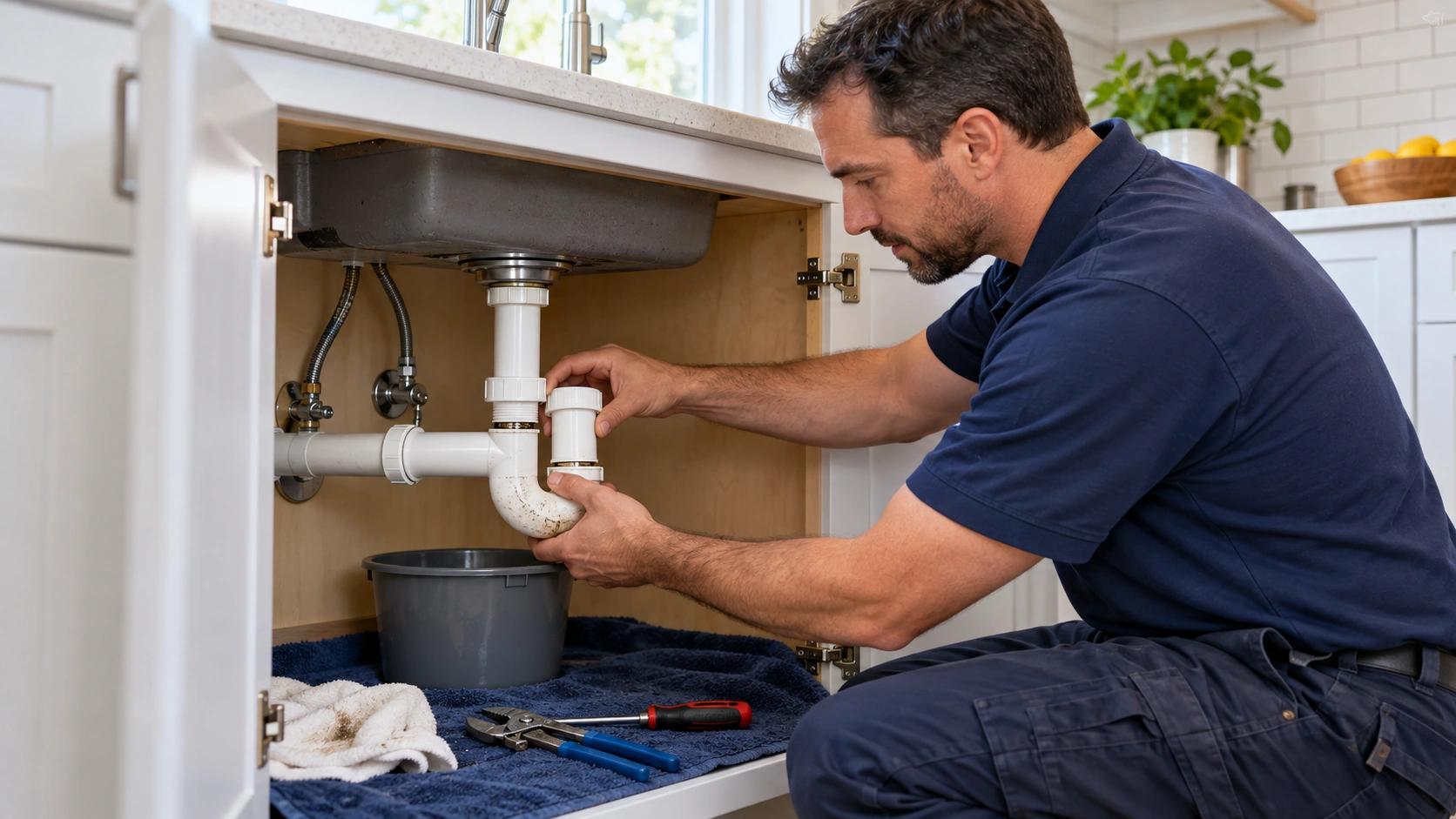
Water Treatment Based on the Water You Actually Have
Water treatment should solve a measured condition at the property. White scale, staining, odor, cloudy water, poor taste, low pressure, and sediment can come from different causes. One device cannot correct every issue. Testing helps separate hardness minerals from iron, sediment, disinfectant taste, acidity, or a well-system problem before money is spent on equipment.
Most homes in the community use public water, while some properties or specialized systems may involve private wells. The service approach differs. Public-water treatment usually focuses on conditions at the tap and inside the home. Private-well work must also consider the pump, pressure tank, well depth, flow rate, and whether laboratory analysis is needed for health-related concerns.
We install point-of-entry equipment that treats water before it moves through the home and point-of-use equipment for a specific drinking-water faucet. The correct choice depends on test results, household demand, available space, drainage, electrical access, and the owner’s maintenance expectations.
What Signs Suggest Your Water Needs Treatment
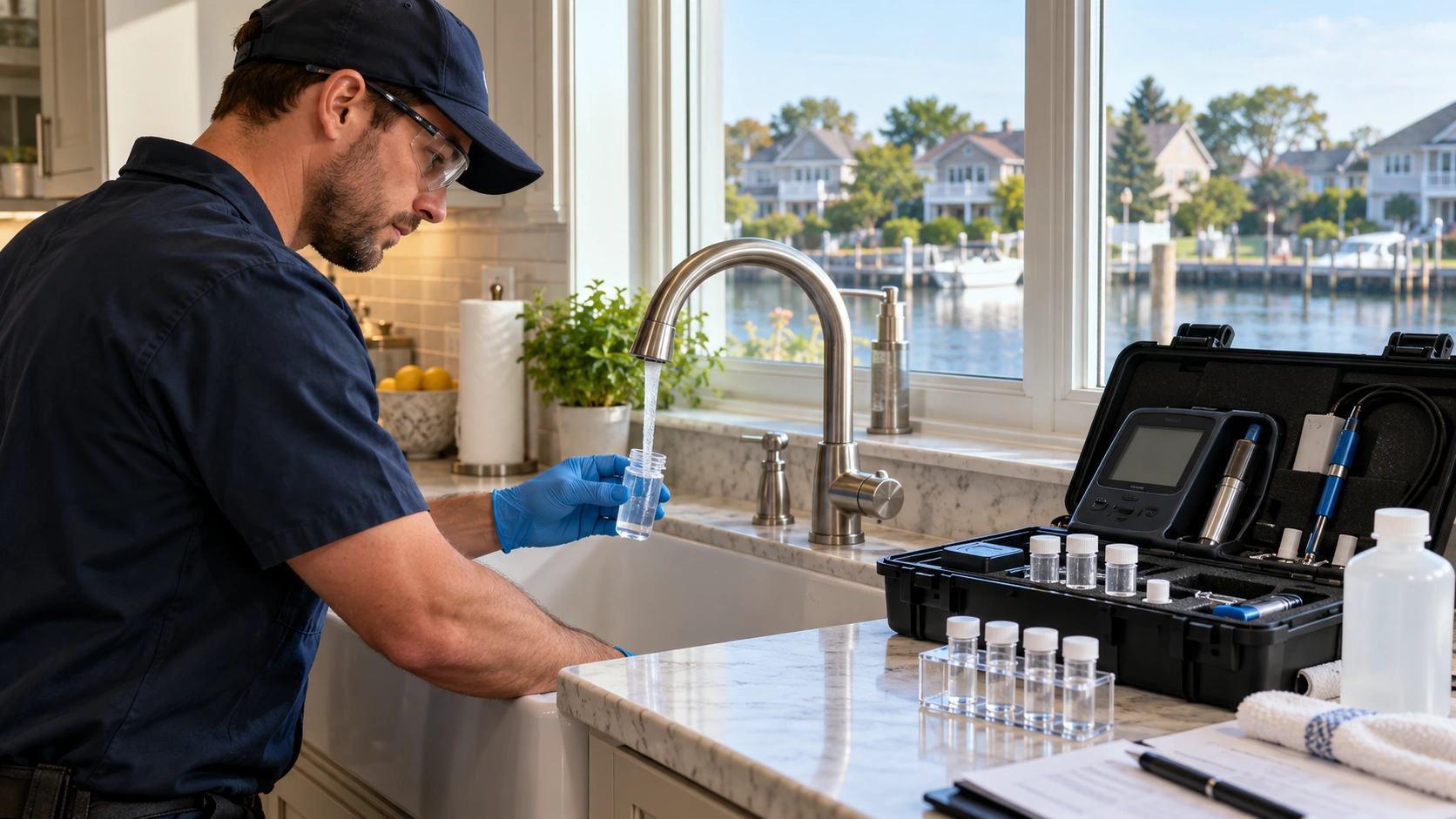
A visible or noticeable change is a reason to investigate, but it is not a diagnosis by itself. Common signs include:
White scale on faucets, shower doors, kettles, or water-heating elements.
Soap that lathers poorly or leaves a film on skin, dishes, and laundry.
Orange, brown, or black staining around sinks, toilets, tubs, or appliances.
Metallic, earthy, chlorine-like, or sulfur-like taste or odor.
Cloudy water, suspended particles, or sediment collected in aerators and appliance screens.
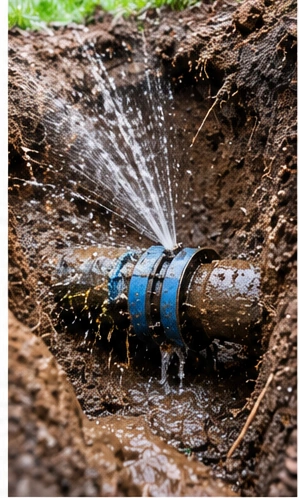
Water pressure that rises and falls, a pump that cycles rapidly, or flow that drops when several fixtures run.
Frequent cartridge, valve, humidifier, dishwasher, or water-heater scale problems.
Sudden discoloration, odor, or pressure loss should be evaluated promptly, especially on a private well. Do not assume that a filter makes water safe to drink. Health-related questions require appropriate sampling and laboratory testing, while plumbing tests help identify hardness, pressure, flow, and equipment performance.
Common Water Quality Issues Around Massapequa
Water conditions can differ from one property to another because the supply source, internal piping, water-heater condition, fixture use, and any existing treatment equipment all affect what appears at the tap. A neighbor’s system is not a dependable specification for your home, even when both properties are on the same street.
Hardness refers mainly to dissolved calcium and magnesium. These minerals can leave scale and reduce soap performance, but hardness is different from a health contaminant. A softener exchanges hardness minerals for sodium or potassium ions. It does not replace a sediment filter, carbon filter, reverse-osmosis membrane, disinfection system, or laboratory analysis.
Iron can create orange staining, while manganese may produce darker staining. Sediment may come from a well, old piping, a disturbed service line, or equipment deterioration. Sulfur-like odor can involve dissolved gas, bacteria, a water heater, or plumbing conditions. We trace whether the symptom occurs on hot water, cold water, one fixture, or throughout the building before recommending treatment.
For private wells, treatment selection may also depend on pH, iron, manganese, turbidity, bacteria results, pump output, and the well’s recovery rate. Testing must reflect the actual concern. A basic hardness strip cannot answer a bacteria or chemical-safety question, and a visual inspection cannot confirm potability.
Water Treatment Systems We Install and Service
Water Softeners
A correctly sized softener can reduce scale caused by hardness minerals. Sizing considers hardness level, household occupancy, peak water demand, regeneration frequency, salt efficiency, available drain connection, and installation space. We also inspect the bypass valve, brine tank, control head, and existing plumbing when repairing an older unit.
Whole-House Filtration
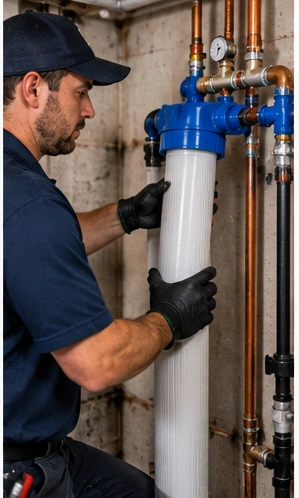
Whole-house systems may use sediment cartridges, carbon media, iron treatment, or staged equipment selected for a verified condition. Filter size and flow capacity matter. An undersized system can reduce pressure, while the wrong media may do little for the actual issue. We provide a maintenance schedule for cartridges, tanks, valves, or media.
Reverse Osmosis Drinking Water Systems
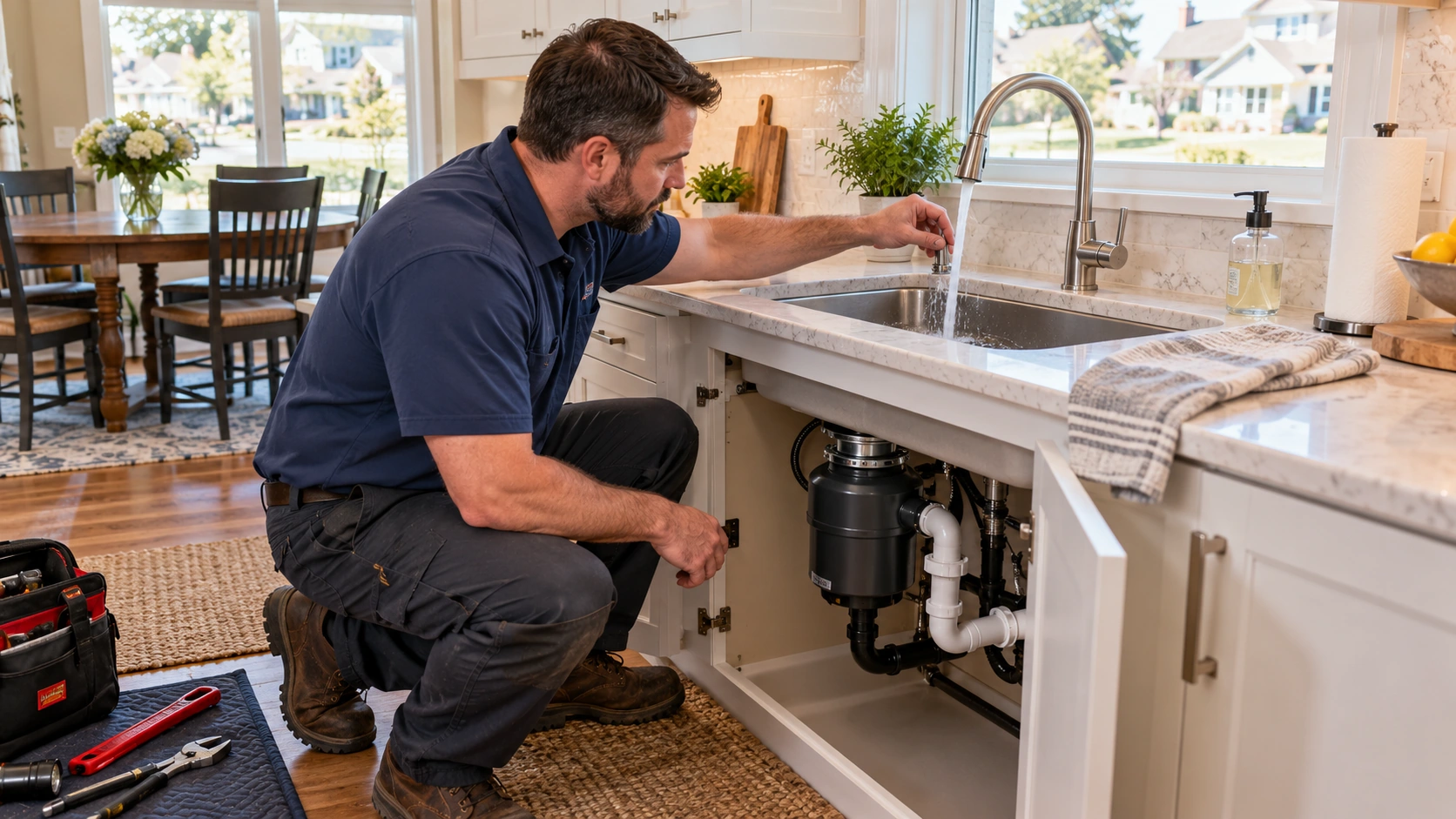
Reverse osmosis is typically installed at a kitchen sink for drinking and cooking water. The system may include prefilters, a membrane, storage tank, postfilter, and dedicated faucet. We confirm cabinet space, drain connection, feed-water pressure, faucet placement, and replacement intervals before installation.
Well Pumps and Pressure Equipment
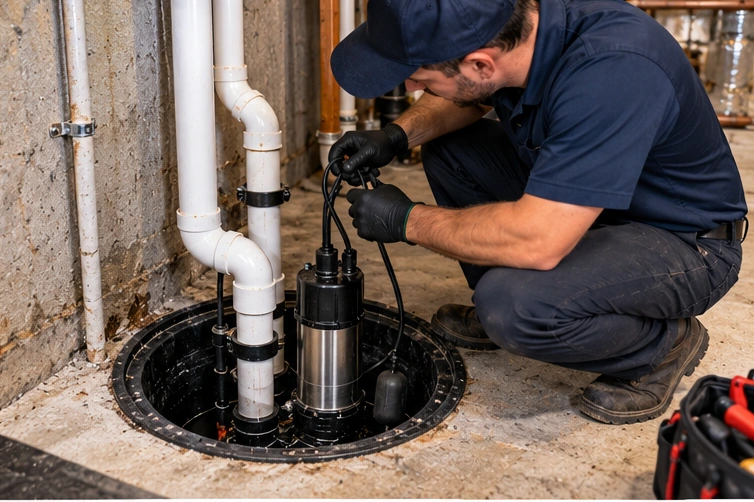
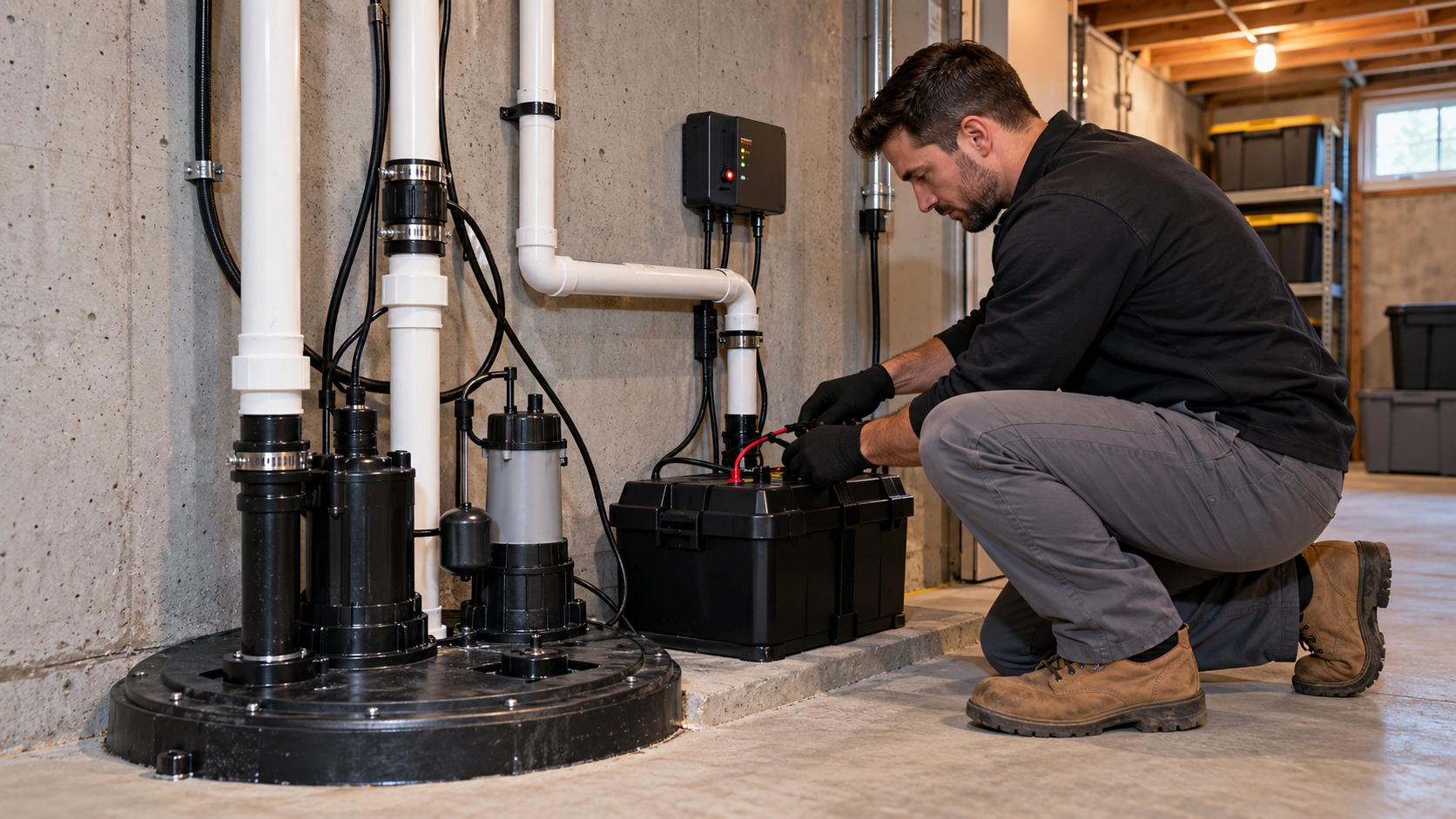
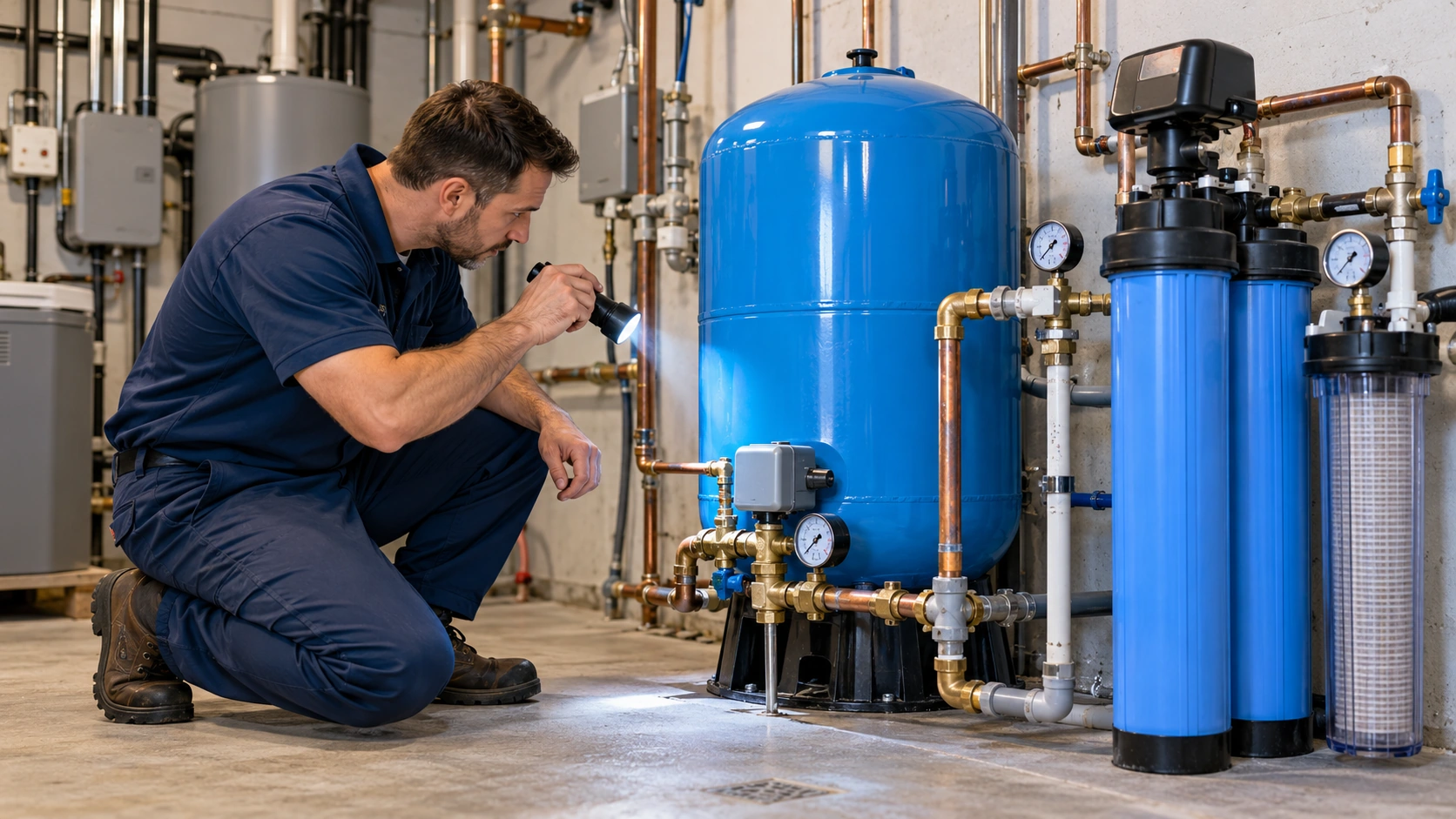
Well service can involve a submersible or jet pump, pressure tank, pressure switch, controls, check valves, wiring, and piping. Low pressure does not automatically mean the pump has failed. A waterlogged pressure tank, clogged filter, leaking pipe, worn switch, low well yield, or electrical fault can create similar symptoms.
What We Check First
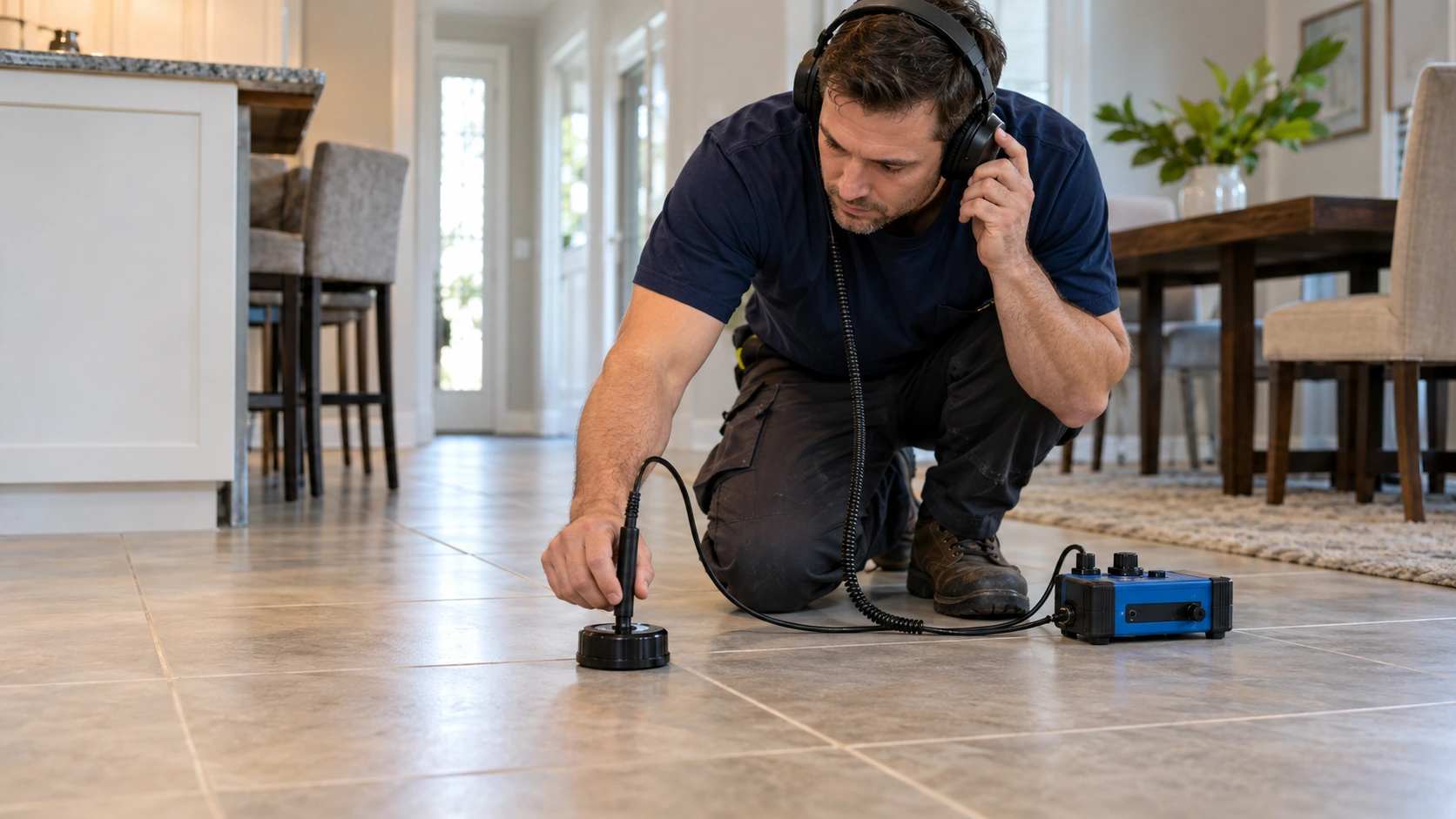
We start with the complaint, water source, and where the symptom appears. We ask whether it affects hot water, cold water, one fixture, or the entire property. Then we inspect visible piping, shutoffs, pressure, flow, existing filters, softener bypass position, treatment settings, drainage, and equipment condition.
When a well system is involved, we check pump operation, pressure cut-in and cut-out behavior, tank response, electrical controls within the plumbing scope, and signs of leaks or restricted flow. Water samples are collected or referred for appropriate testing when the decision depends on laboratory results. We do not select health-related treatment from taste, odor, or color alone.
How Our Water Treatment Process Works
First, we document the concern and establish a baseline through inspection and appropriate testing. Next, we explain which result the proposed system is intended to change. The recommendation identifies the equipment type, capacity, location, plumbing changes, drain and electrical needs, maintenance, and any limits of the system.
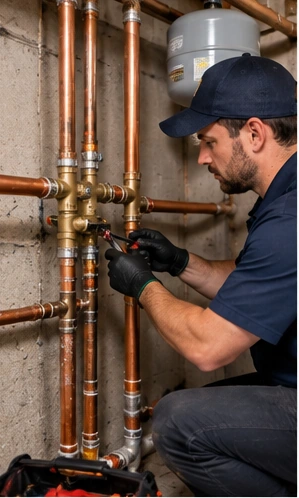
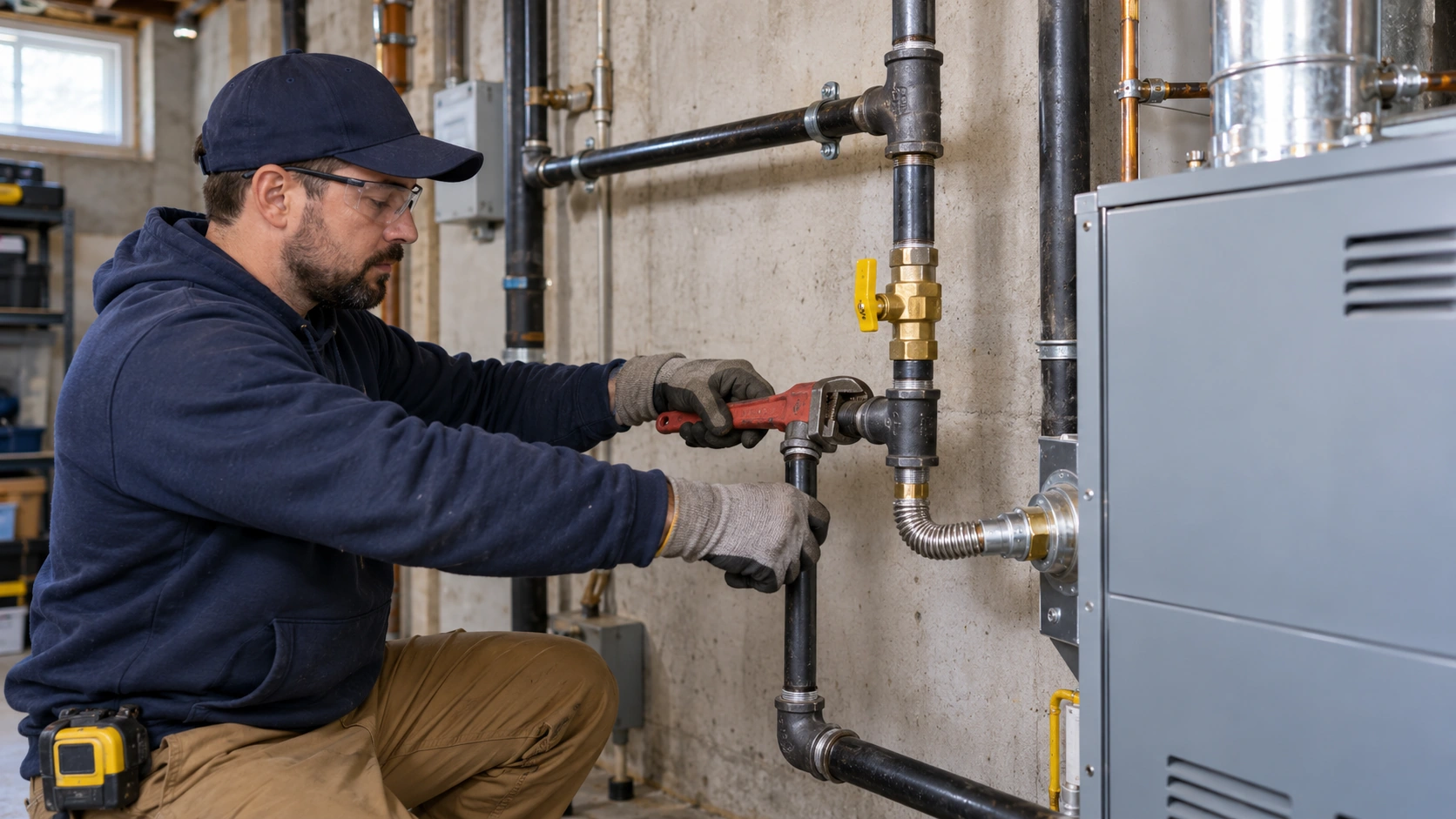
Installation includes isolating the supply, arranging the bypass and treatment train, supporting piping, making approved connections, and providing service clearance. We flush and start the equipment according to its requirements, check for leaks and pressure loss, program controls where applicable, and verify treated-water performance against the installation goal.
Before completion, we explain regeneration, filter changes, sanitizing, salt or media use, warning signs, and the expected maintenance schedule. You receive a clear written scope before work begins and an explanation of conditions that may require separate plumbing, electrical, well, or laboratory services.
How Much Do Water Treatment and Well Systems Cost
Cost depends on test results, required flow, household size, equipment type, installation space, drain and electrical access, piping condition, well depth, and pump horsepower. These ranges are directional planning figures, not exact or guaranteed prices:
Water softener installation may fall around $1,500 to $4,500, depending on capacity, controls, plumbing changes, and site preparation.
Whole-house filtration may fall around $1,200 to $5,000 or more, depending on flow rate, number of treatment stages, media, and monitoring features.
Under-sink reverse-osmosis installation may fall around $600 to $1,800, depending on system design, faucet work, drain access, and pressure needs.
Well pump replacement may fall around $1,800 to $6,000 or more, depending on pump type, horsepower, well depth, access, wiring, piping, and pressure equipment.
Testing, difficult access, new drainage, electrical correction, pressure-tank replacement, extensive piping changes, or specialty treatment can move a project outside these ranges. Massapequa Plumbing Experts provides the applicable written price after inspection and before approved work begins.
Why Choose a Licensed Local Plumbing Team
Massapequa Plumbing Experts brings 10 years of plumbing experience to water-quality troubleshooting, equipment sizing, installation, and well-pressure diagnosis. We hold an active Town of Oyster Bay plumber's license for related plumbing work. Our recommendation connects each piece of equipment to a specific measured condition, expected result, and maintenance requirement.
We also verify the installation as a complete water path. That includes adequate flow, pressure loss, bypass operation, drain routing, leak testing, and access for future service. This practical approach helps prevent an oversized sales package, an undersized filter, or a system that cannot be maintained conveniently.
Related Water Treatment Services
Water Softener Installation Massapequa covers hardness testing, sizing, installation, and repair. Whole House Water Filtration Massapequa addresses sediment, taste, odor, and other verified treatment needs. For pump and pressure problems, see Well Pump Repair and Installation Massapequa.
Areas We Serve Near Massapequa
We serve properties in East Massapequa, North Massapequa, Nassau Shores, Harbor Green, Bar Harbor, Unqua, and Biltmore Shores, along with nearby Massapequa Park, Seaford, Amityville, Wantagh, Farmingdale, Bethpage, and North Amityville. Visit Areas We Serve Near Massapequa for the complete coverage list, or return to the Plumber in Massapequa, NY page for all plumbing services.
Frequently Asked Questions
Do I need a water softener in Massapequa?
It depends on your specific water hardness, which a simple test can confirm; visible scale buildup on fixtures and glassware is usually the clearest sign a softener would help.
How do I know if my well pump is failing?
Common warning signs include water pressure that cycles up and down, the pump running constantly, or a noticeable drop in water flow throughout the house.
Is well water in the Massapequa area safe to drink untreated?
It depends on the specific well and what a water test shows; we recommend testing before assuming any well supply is safe, since iron, sediment, and bacteria levels vary by property.
What's the difference between a water softener and a filtration system?
A softener specifically removes hardness minerals like calcium and magnesium, while a filtration system targets sediment, chlorine, or other contaminants; many homes benefit from both.
How much does well pump replacement cost in Massapequa?
Cost depends on well depth, pump horsepower, and access; we provide a full quote after inspecting the well and current pump.
Do you test water quality before recommending a system?
Yes, we always test first so any system we recommend is sized and designed for your actual water conditions rather than a generic assumption.