
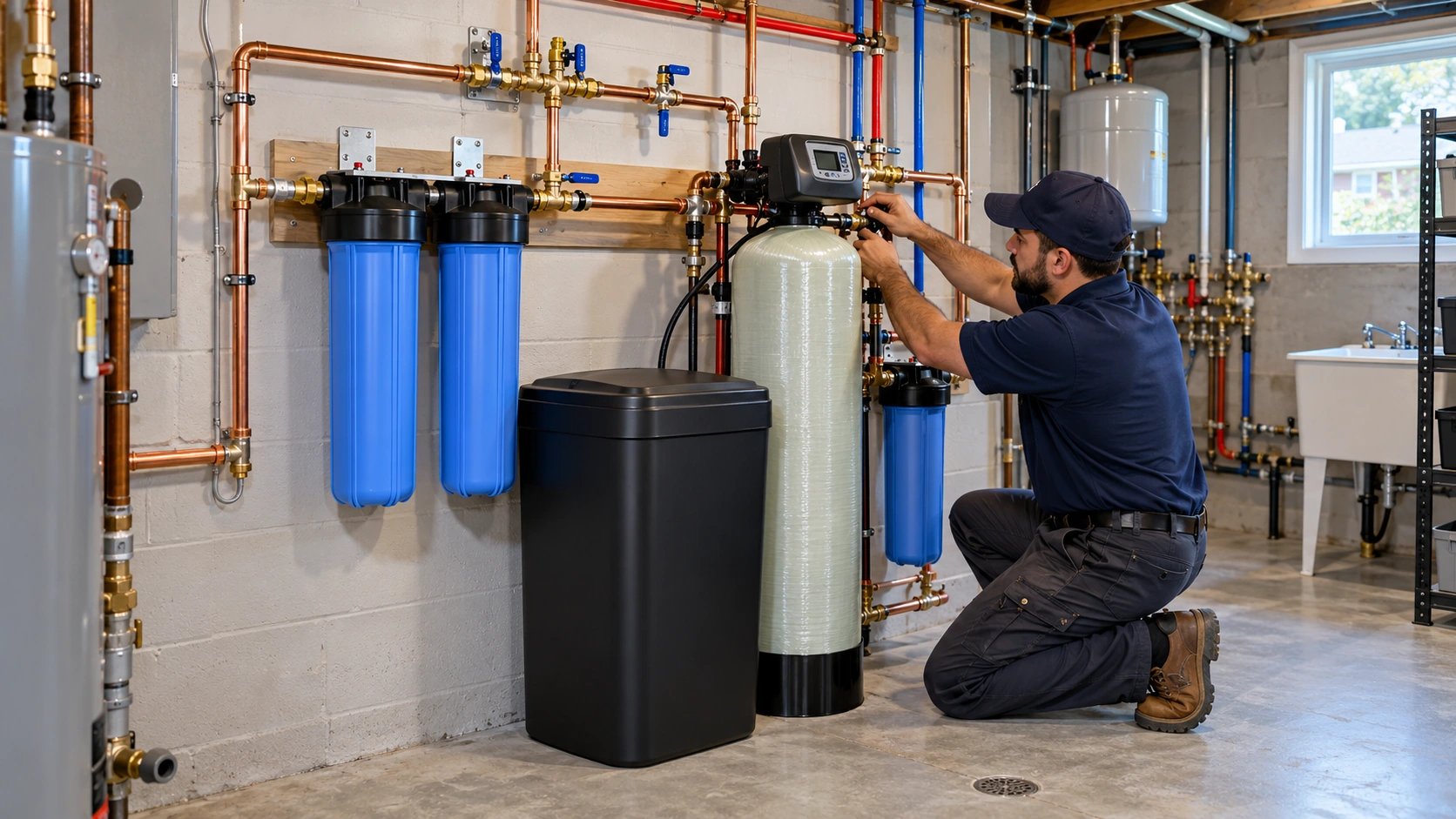
Pipe Problems Need the Right Diagnosis
A stain on a ceiling may start several feet from the place where water becomes visible. Low pressure can come from a restricted pipe, a failing valve, a service-line problem, or demand elsewhere in the building. Replacing the first wet fitting without tracing the source may leave the real failure untouched. Our work begins with the symptom, the pipe route, and the conditions around it.
Some homes need one accessible section repaired. Others have repeated pinhole leaks, widespread corrosion, aging galvanized lines, or undersized piping that makes continued patching a poor long-term choice. Repiping Massapequa NY homes should be based on material, condition, access, pressure, and failure history—not on a sales rule tied only to the age of the house.
Massapequa includes postwar houses, expanded Capes and ranches, split-level homes, finished basements, slab areas, and additions built at different times. One property may contain original galvanized steel, later copper branches, and newer PEX repairs. We map what is actually present before recommending how much pipe should be replaced.
Signs Your Pipes May Need Repair or Replacement
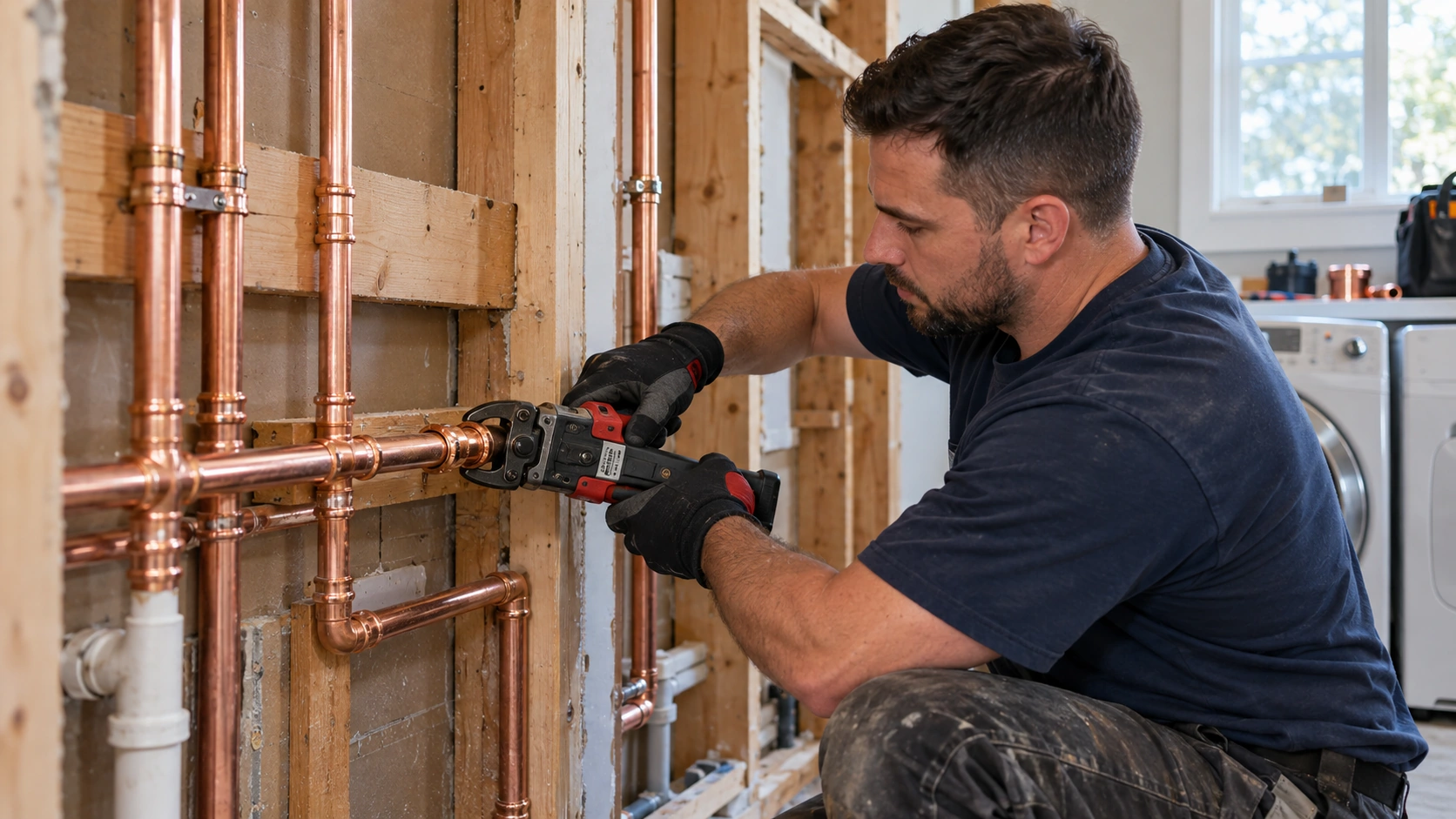
Changes in water quality, pressure, sound, or usage can point to a developing pipe problem. One symptom does not prove that a whole-house repipe is necessary, but several recurring symptoms deserve a complete assessment.
Rusty, yellow, or brown water that returns after the line has been flushed.
Weak pressure at several fixtures, especially when more than one fixture runs.
Pinhole leaks or repairs appearing in different parts of the home.
An unexplained water-bill increase or a meter that moves when every fixture is off.
Green, blue, white, or rust-colored deposits on accessible pipe and fittings.
Damp drywall, warm flooring, musty odors, peeling finishes, or the sound of water when no fixture is running.
Discoloration can also come from a water main disturbance, water-heater issue, or a short section of corroded pipe. Pressure complaints may involve the utility supply, a pressure-reducing valve, fixture aerators, or mineral buildup. We compare the pattern across cold and hot fixtures rather than treating every symptom as proof of failing distribution piping.
Why Water Pipes Fail
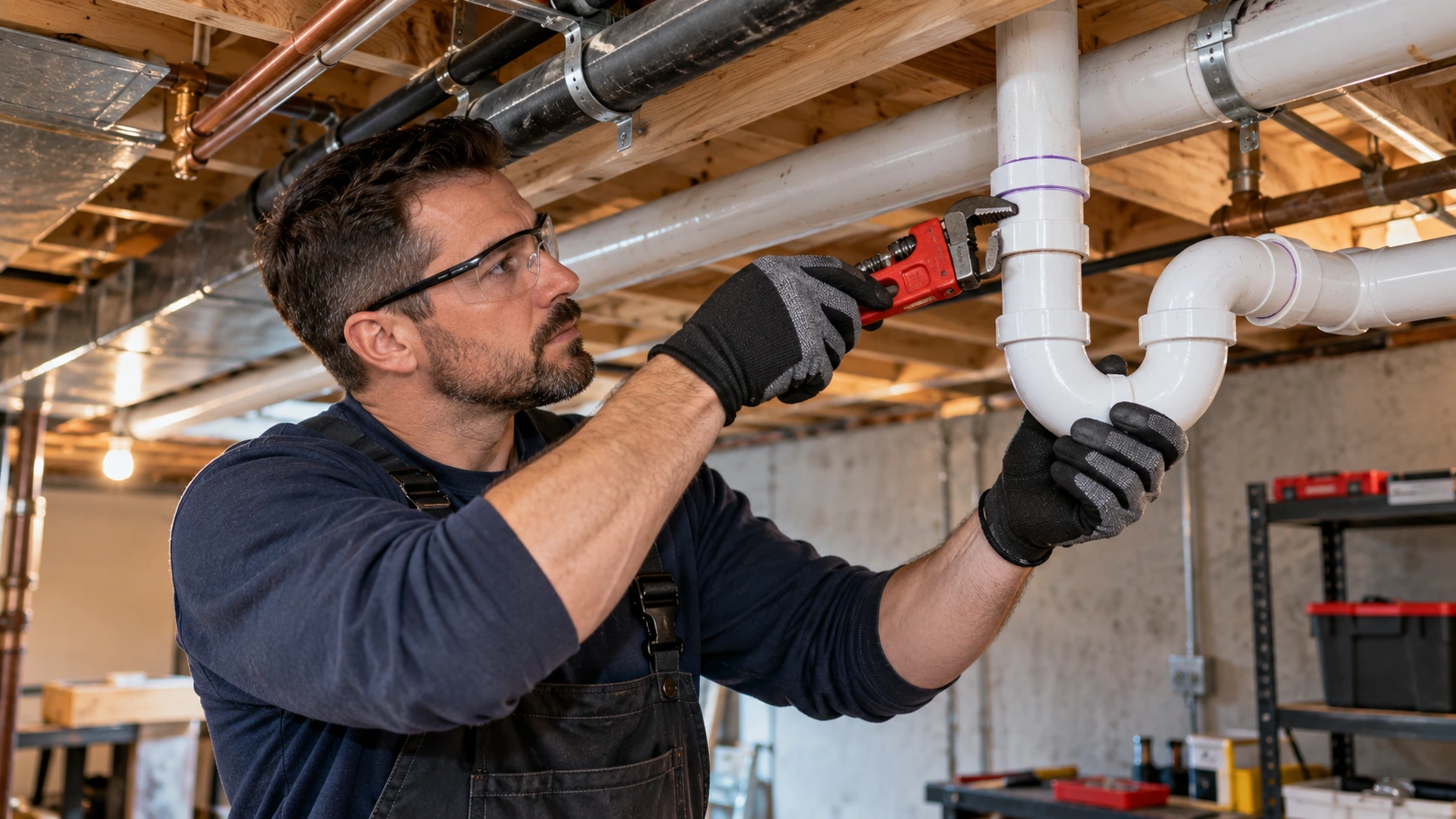
Pipe life depends on material, installation quality, water chemistry, temperature, pressure, electrical conditions, movement, and exposure. Copper may develop pinholes at stressed joints or in areas affected by velocity, chemistry, or workmanship. Galvanized steel can corrode internally until flow is restricted. Plastic piping and fittings can fail when they are damaged, poorly supported, improperly joined, frozen, or used outside their listed conditions.
Coastal weather can contribute to corrosion on exterior piping, fasteners, equipment, and components exposed to salt-laden air. It does not explain every leak inside a Massapequa home. Indoor failures need site-specific inspection because pipe material, moisture, soil contact, pressure, and water conditions can matter as much as distance from the bay.
Freezing is another local concern. Pipes routed through unheated crawlspaces, exterior walls, garages, or poorly insulated additions can split after cold weather. Ground movement, slab contact, renovation fasteners, and vibration may also damage concealed lines. A good diagnosis looks for the mechanism so the replacement is protected from the same condition.
What We Check First
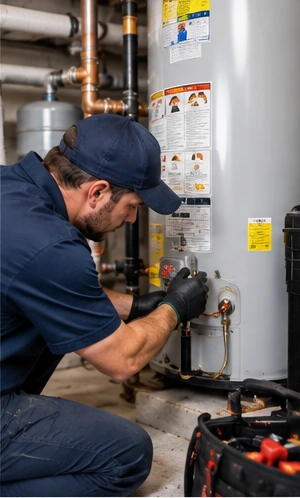
We ask where the symptom appears, when it began, whether it changes with fixture use, and what repairs have already been made. We check the water meter when appropriate, visible piping, valves, fixture connections, pressure, accessible wall and ceiling surfaces, basement or crawlspace areas, and any location with staining or elevated moisture.
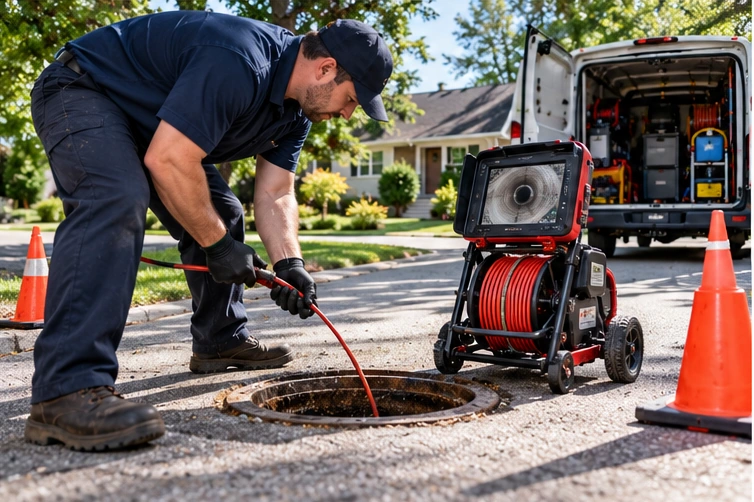
Leak detection may use pressure isolation, acoustic listening, thermal imaging, moisture readings, fixture testing, and controlled access. No single tool confirms every leak. Thermal patterns can be affected by sunlight, insulation, ducts, and temperature differences, while sound changes with pipe material and background noise. We combine test results with the building layout before opening a surface.
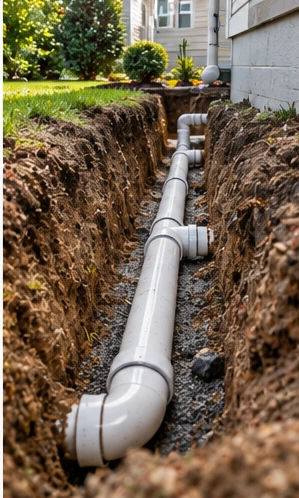
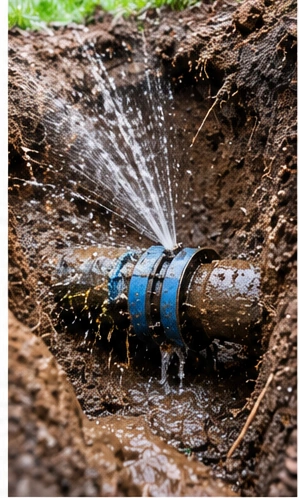
For repiping decisions, we identify accessible pipe materials, diameter, corrosion, previous repairs, unsupported runs, mixed-metal connections, shutoff condition, and routes to kitchens, bathrooms, laundry, hose connections, and mechanical equipment. If the concern may be on the water service, we distinguish the private service line from interior distribution piping and coordinate the proper next step.
How Our Pipe Repair and Repiping Process Works
First, we locate and isolate the affected line as closely as conditions allow. An active leak may require the main water supply or a branch valve to be shut down. We protect nearby finishes and explain whether a small exploratory opening is needed. When the damage is visible, we assess the surrounding pipe instead of judging only the split or pinhole.
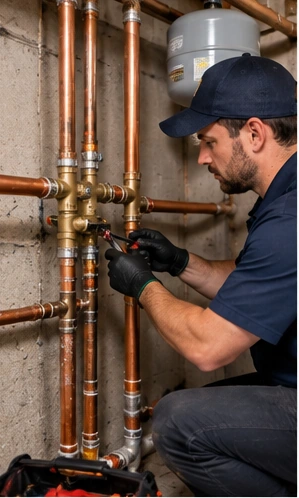
Next, we compare three practical scopes: a spot repair for a sound system with one defined failure; partial replacement when one branch or material is deteriorated; or whole-house repiping when failures are widespread or the system no longer delivers dependable flow. The recommendation includes access, pipe choice, shutoffs, connections, required permits, inspection needs, and expected restoration boundaries.
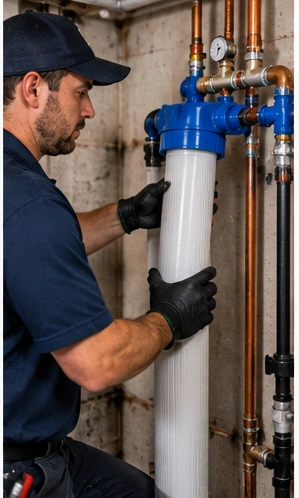
Copper and PEX are common replacement choices, but they are not interchangeable in every location. Copper is rigid, familiar, and suitable for many exposed or protected routes. PEX can reduce the number of concealed joints and route efficiently through some framed spaces. Product listing, support, protection, temperature, transition fittings, accessibility, and local requirements guide the final selection.
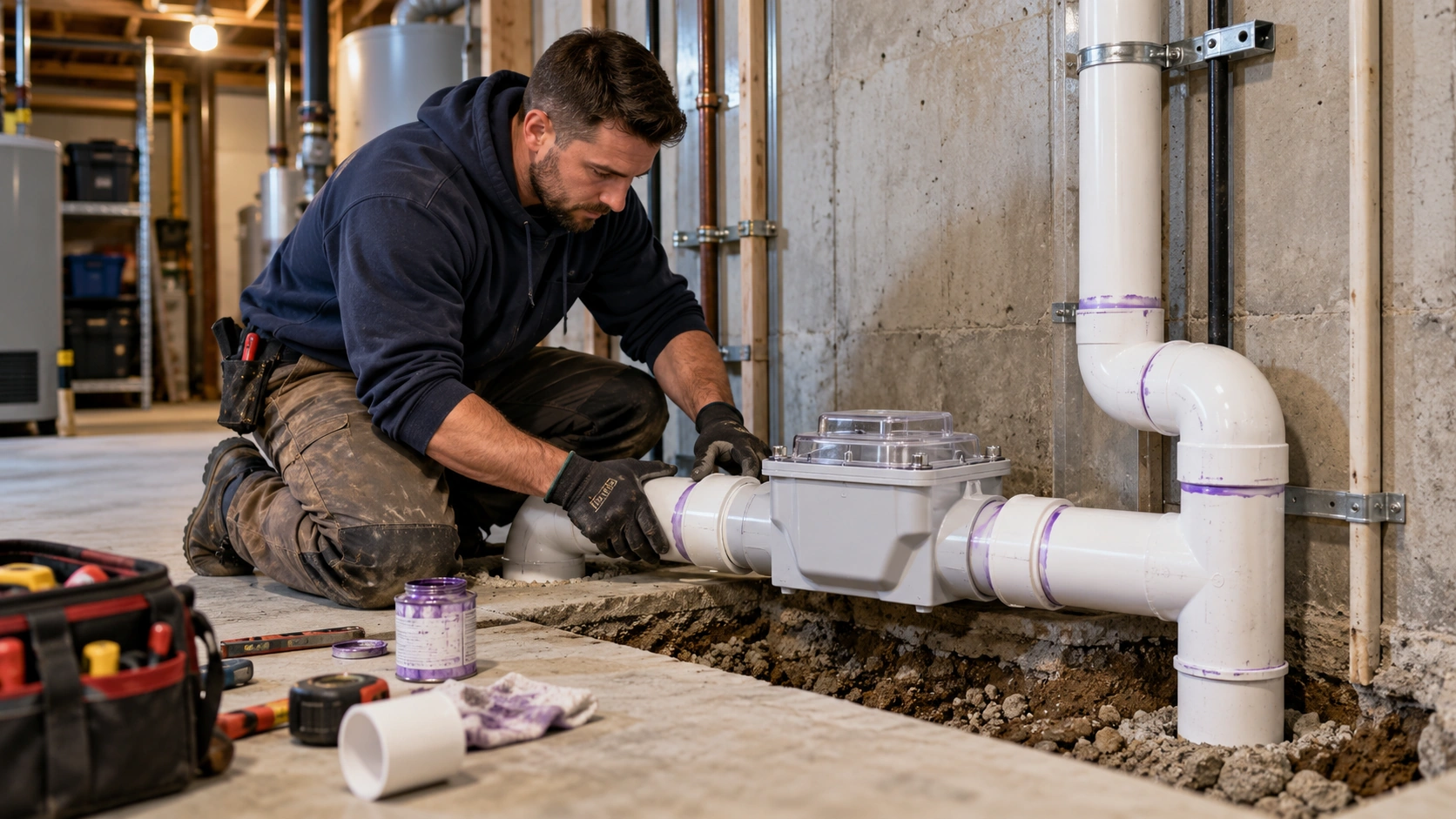
During installation, we phase shutdowns where practical, protect occupied areas, remove abandoned piping when the scope calls for it, and secure new lines against abrasion and movement. Penetrations and concealed runs receive appropriate protection. We do not cover work that requires inspection before that step is completed.
Finally, we pressure-test the installed system, operate fixtures, inspect joints and transitions, flush new piping, and confirm usable flow. We identify wall, ceiling, tile, cabinet, or paint restoration included in the proposal and anything assigned to another trade. The owner receives a clear record of the completed scope and applicable warranty.
Spot Repair or Whole House Repiping
A spot repair is often reasonable when the leak was caused by an isolated puncture, a failed accessible joint, freeze damage in one vulnerable section, or a single component connected to otherwise sound piping. It limits disruption and cost while correcting a defined problem.
Whole-house repiping becomes more reasonable when leaks recur in unrelated locations, galvanized interiors restrict flow, water remains discolored because of deteriorated private piping, or previous repairs reveal thinning pipe around each failure. Partial repiping may be the balanced choice when one addition, floor, or branch is materially different from the rest of the system.
Coordinating new piping with an open kitchen, bathroom, or basement can reduce duplicate access and restoration. The scope should still follow the pipe condition and planned fixture layout.
Pipe Repair and Repiping Price Ranges
Pricing depends on what failed and how the piping can be reached. The ranges below are directional planning figures, not exact or guaranteed prices:
A localized pipe repair may fall around $300 to $1,500, depending on leak location, material, access, isolation, emergency timing, testing, and the amount of damaged pipe.
Whole-house repiping may fall around $6,000 to $20,000 or more, depending on home size, fixture count, copper or PEX selection, routing, wall or slab access, permits, inspections, and restoration.
A concealed slab leak, damaged service line, finished basement, tiled wall, difficult crawlspace, lead-safe work practices, upgraded shutoffs, or extensive patching can move a project below or above those ranges. Massapequa Plumbing Experts inspects the property and provides the applicable written scope and price before approved work starts. We separate plumbing work from restoration when different contractors will perform it.
Licensed Work and Documented Recommendations
Massapequa Plumbing Experts brings 10 years of plumbing experience to leak diagnosis, repair planning, and repiping. We hold an active Town of Oyster Bay plumber's license for related plumbing work. Our recommendations connect the visible evidence, testing, pipe condition, and repair history to a defined scope, so owners can understand why a localized repair or broader replacement is being proposed.
We also document concealed conditions that change the plan once access is opened. That record helps prevent guesswork, supports permit and inspection steps, and gives the owner a clearer basis for approving additional work. Local familiarity helps us plan around finished basements, tight utility areas, older additions, and occupied homes without treating every property as identical.
Related Pipe Services
Slab Leak Detection Massapequa covers pressure loss, warm or damp flooring, concealed supply-line testing, and targeted access.
Whole House Repiping Massapequa explains pipe selection, routing, permits, phased installation, testing, and restoration planning.
Galvanized and Lead Service Line Replacement Massapequa covers aging private water services, material identification, and full-line replacement. Visit our Plumber in Massapequa, NY page for other services.
Areas We Serve Near Massapequa
Service includes East Massapequa, North Massapequa, Nassau Shores, Harbor Green, Bar Harbor, Unqua, and Biltmore Shores. We also serve nearby communities including Massapequa Park, Seaford, Amityville, Wantagh, Farmingdale, Bethpage, and North Amityville.
areas we serve for the complete coverage list. Scheduling depends on location, access, current workload, and whether the condition involves an active leak.
Frequently Asked Questions
How do I know if my Massapequa home needs repiping instead of a repair?
If leaks keep returning in different spots, water pressure is low throughout the house, or your water looks rusty, that pattern usually points to failing galvanized pipe rather than one isolated repair.
Why do Long Island homes near the water corrode faster?
Salt air carries chloride ions that break down the protective layer on copper and galvanized steel, and prevailing winds carry those particles several miles inland, accelerating corrosion even away from the immediate coastline.
Do I have lead pipe in my Massapequa home and how do I find out?
Homes built before 1980 may still have lead or galvanized service lines that look modern on the inside; a professional assessment is the only reliable way to confirm what material your service line uses.
Is trenchless water line replacement available for Massapequa homes?
Yes, trenchless methods can replace an entire failing water service line using just two small access points instead of digging a full trench across your yard or driveway.
How much does whole house repiping cost in Massapequa?
Cost depends on home size, pipe material chosen (copper or PEX), and how easily we can access existing lines; we provide a full walkthrough and written quote before any work starts.
Can a partial leak in a lead line be safely repaired instead of replaced?
No, disturbing part of a lead service line can actually release more lead particles into the water; full replacement of the line is the only safe solution once lead is confirmed.