Is a Tankless Water Heater Right for Your Home
A correctly sized tankless unit heats water as fixtures use it, reducing standby heat loss and freeing the floor space occupied by a storage tank. It can provide continuous hot water, but not unlimited flow. Every unit has a temperature-rise and flow-rate limit, so simultaneous showers, faucets, and appliances must be included in sizing.
Tankless conversion works best when the property can support the required energy input, vent route, combustion air or electrical load, condensate disposal, and service clearances. A direct replacement of an existing tankless unit is usually simpler than converting from a tank because more of the supporting infrastructure may already be present.
When Does Tankless Installation Make Sense
Homeowners often consider tankless equipment when a storage tank no longer meets demand or when a renovation changes the mechanical space. It may be a practical choice when:
The household regularly runs out of stored hot water during back-to-back use.
A remodel needs to recover floor space in a basement, utility room, or closet.
The owner wants to reduce standby energy use and accepts a higher initial project cost.
An aging tank needs replacement and the property can support conversion requirements.
Long-term plans justify routine flushing, filter cleaning, and professional service access.
Many Massapequa homes were built during postwar growth and later altered with added bathrooms, finished basements, or relocated mechanical equipment. An existing gas line, chimney connection, or electric panel may not automatically support a modern whole-house tankless unit. We measure the present system instead of assuming the old heater connection is adequate.
What We Check First
We calculate likely peak demand from fixture flow, bathroom count, appliance use, incoming water temperature, and simultaneous-use habits. Then we review available gas pressure and pipe capacity or the electrical service, breaker space, voltage, and amperage required. Whole-house electric units can create a large electrical load that some properties cannot support without upgrades.
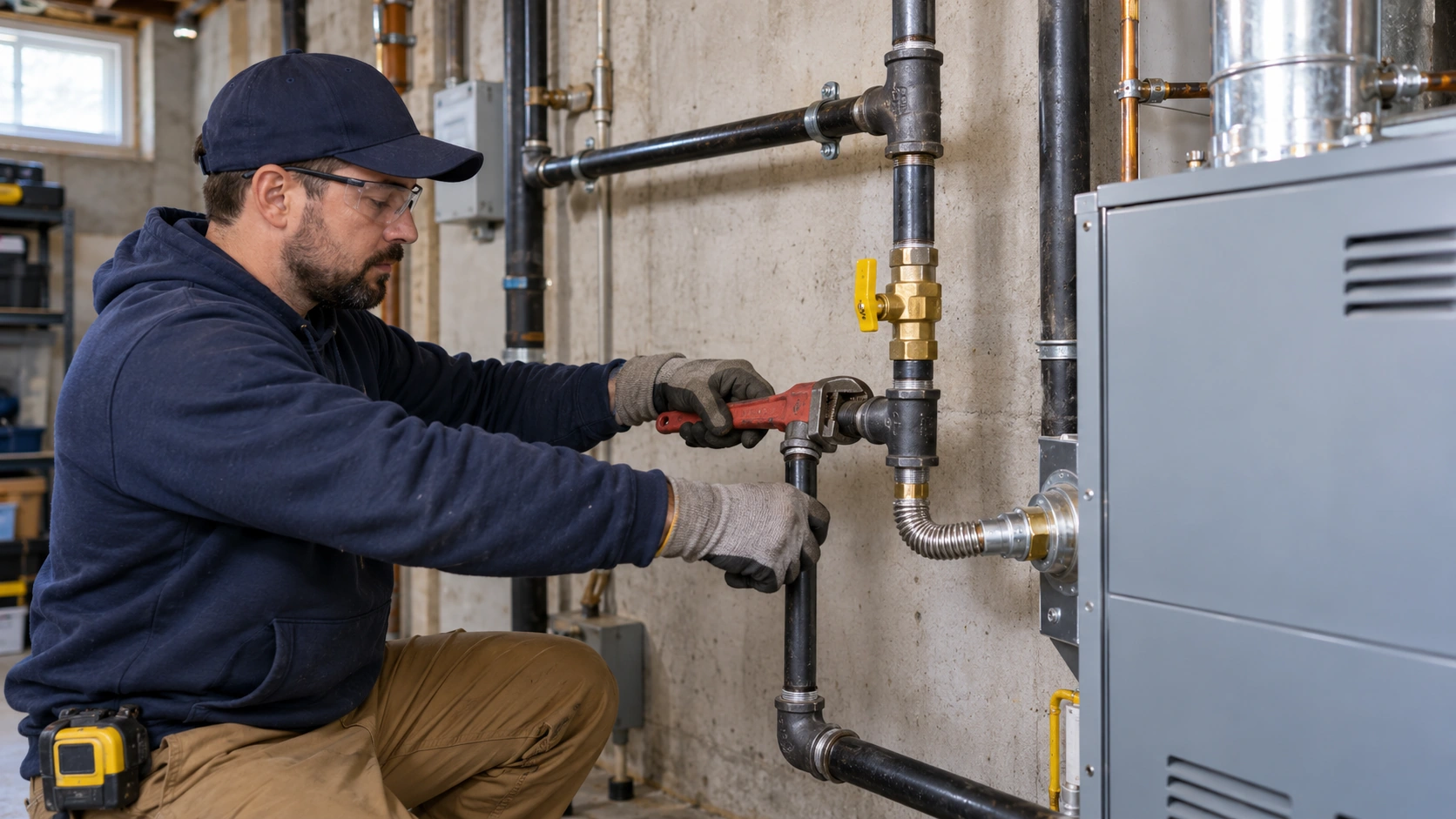
For gas units, we inspect the proposed vent path, termination clearances, combustion air needs, condensate route for condensing equipment, water connections, shutoff locations, and service space. We also check whether recirculation is wanted and whether the existing hot-water layout can support it without unnecessary delay or energy use.
How Do We Install and Test a Tankless Unit
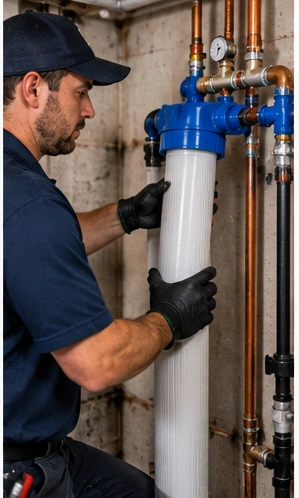
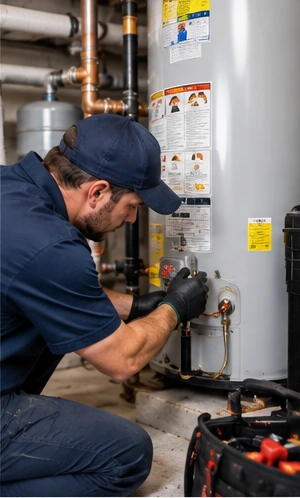
After sizing and site review, we present suitable equipment and a written scope. We isolate utilities, remove the old heater when included, mount the unit, complete approved water and energy connections, install the required venting and condensate drainage, and provide valves that allow future isolation and maintenance.
We fill and purge the water lines before startup, follow manufacturer commissioning steps, and check for leaks. Testing covers ignition or electrical operation, outlet temperature, flow activation, error history, venting, condensate, and performance under representative simultaneous demand. The owner receives operating guidance, maintenance needs, warranty information, and the final settings.
Massapequa Plumbing Experts brings 10 years of plumbing experience to tankless sizing and conversion planning. Documented load checks, equipment specifications, startup results, and applicable warranty terms give the owner a clearer basis for evaluating the installation.
What Is the Price Range for Tankless Installation
A tankless installation or tank-to-tankless conversion may fall within a directional range of about $3,000 to $6,500 or more. This is not an exact or guaranteed price. Unit capacity, fuel type, gas-line or electrical upgrades, vent length, condensate drainage, recirculation, access, permits, removal, and restoration can move the total below or above that range.
A like-for-like tankless replacement may cost less than a full conversion when existing infrastructure can be reused safely. We provide the applicable itemized price after the site assessment and before approved work begins.
Licensed Local Tankless Installation
Our local approach accounts for basement layouts, exterior-wall clearances, long hot-water runs, and household demand across East Massapequa, North Massapequa, Nassau Shores, Harbor Green, and Biltmore Shores. The unit is selected for the property, not chosen only by brand or advertised maximum flow.
Review Water Heater Services Massapequa for tank, tankless, and hybrid options. If the existing unit may still be repairable, see Water Heater Repair Massapequa. Visit the Massapequa plumber homepage for other services.
Frequently Asked Questions
Is my Massapequa home a good fit for a tankless water heater?
Most homes can convert, though gas line sizing and venting sometimes need upgrading, which we assess during the initial visit.
How much does tankless water heater installation cost in Massapequa?
Tankless units cost more upfront than a standard tank, partly due to venting and gas line work; we provide a full itemized quote before starting.
Do tankless water heaters really provide unlimited hot water?
They provide continuous hot water as long as demand stays within the unit's flow rate capacity, which we size to your household's typical simultaneous usage.