
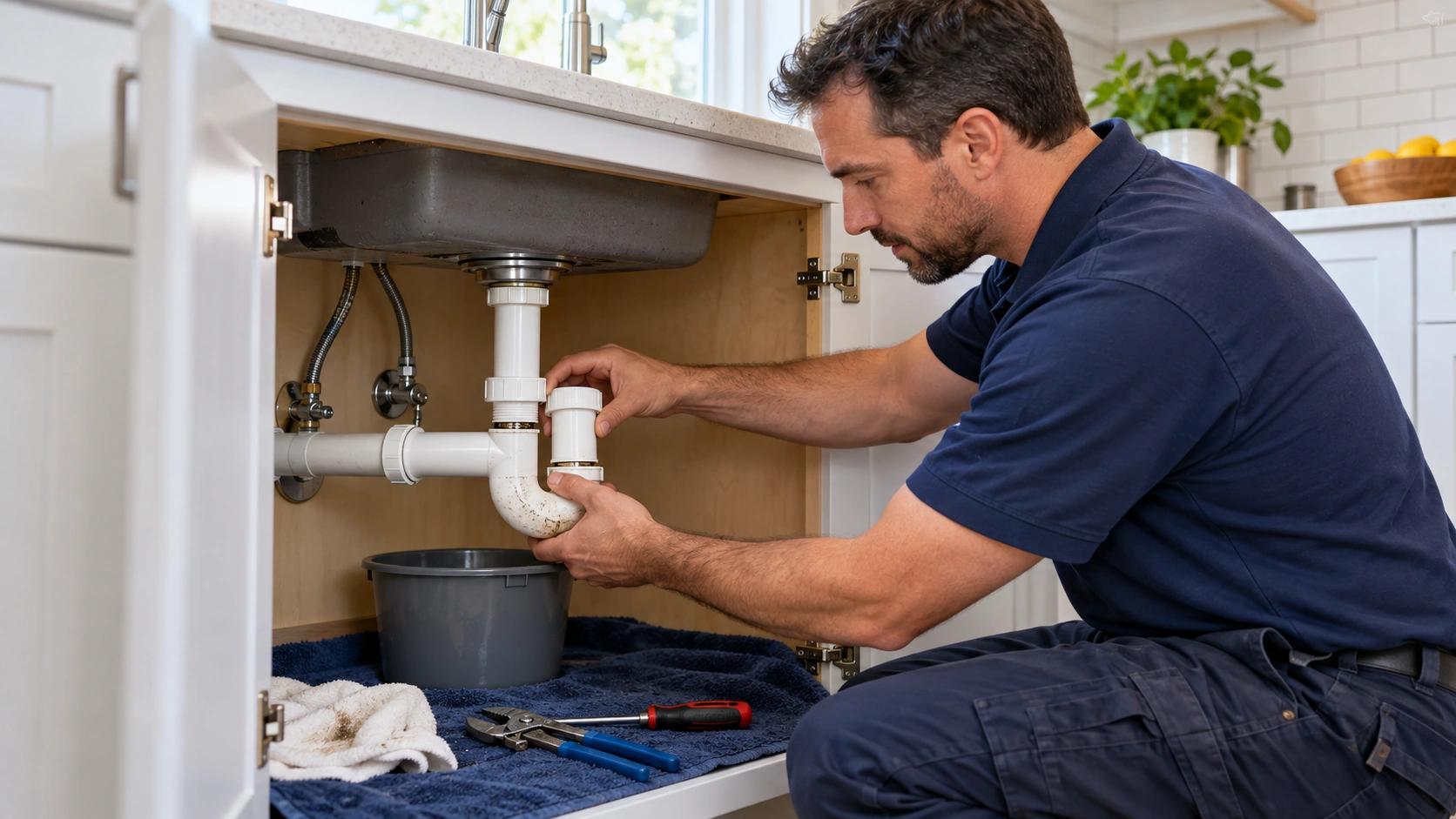
What Should You Do During a Sewage Backup
Keep children and pets away from the affected area. Do not touch wastewater with bare skin, and do not use sinks, toilets, showers, washing machines, or dishwashers. Each additional gallon sent into the drainage system can force more sewage into the property. If water is near outlets, appliances, or an electrical panel, stay out of the area.
Contact an emergency plumber serving Massapequa and explain which fixtures are backing up, where wastewater first appeared, and whether the problem affects one drain or the whole building. Avoid chemical drain cleaners. They rarely solve a main-line or cesspool problem and can create another hazard for anyone opening the line.
Sewage is contaminated water. After the plumbing source is controlled, porous flooring, drywall, insulation, and belongings may need professional cleaning or removal. A qualified restoration company can assess sanitation, drying, and material damage separately from the plumbing repair.
What Causes Sewage to Back Up
A backup happens when wastewater cannot move through the building drain, sewer connection, or onsite disposal system. The first visible overflow is not always where the restriction sits. A basement drain may release wastewater even when the blockage is farther downstream.
Grease, wipes, paper, scale, roots, or a damaged section blocks the main waste line.
A cesspool is full, overdue for service, hydraulically overloaded, or no longer dispersing liquid as it should.
Heavy rain saturates surrounding soil and reduces how quickly an onsite system can accept wastewater.
A settled, cracked, or misaligned pipe catches solids and causes repeat stoppages.
When several low fixtures gurgle or overflow together, the issue is more likely to involve the main line or cesspool than a single fixture trap. A recurring backup also needs more than another quick clearing. The cause should be located so the same restriction does not keep returning.
What We Check First
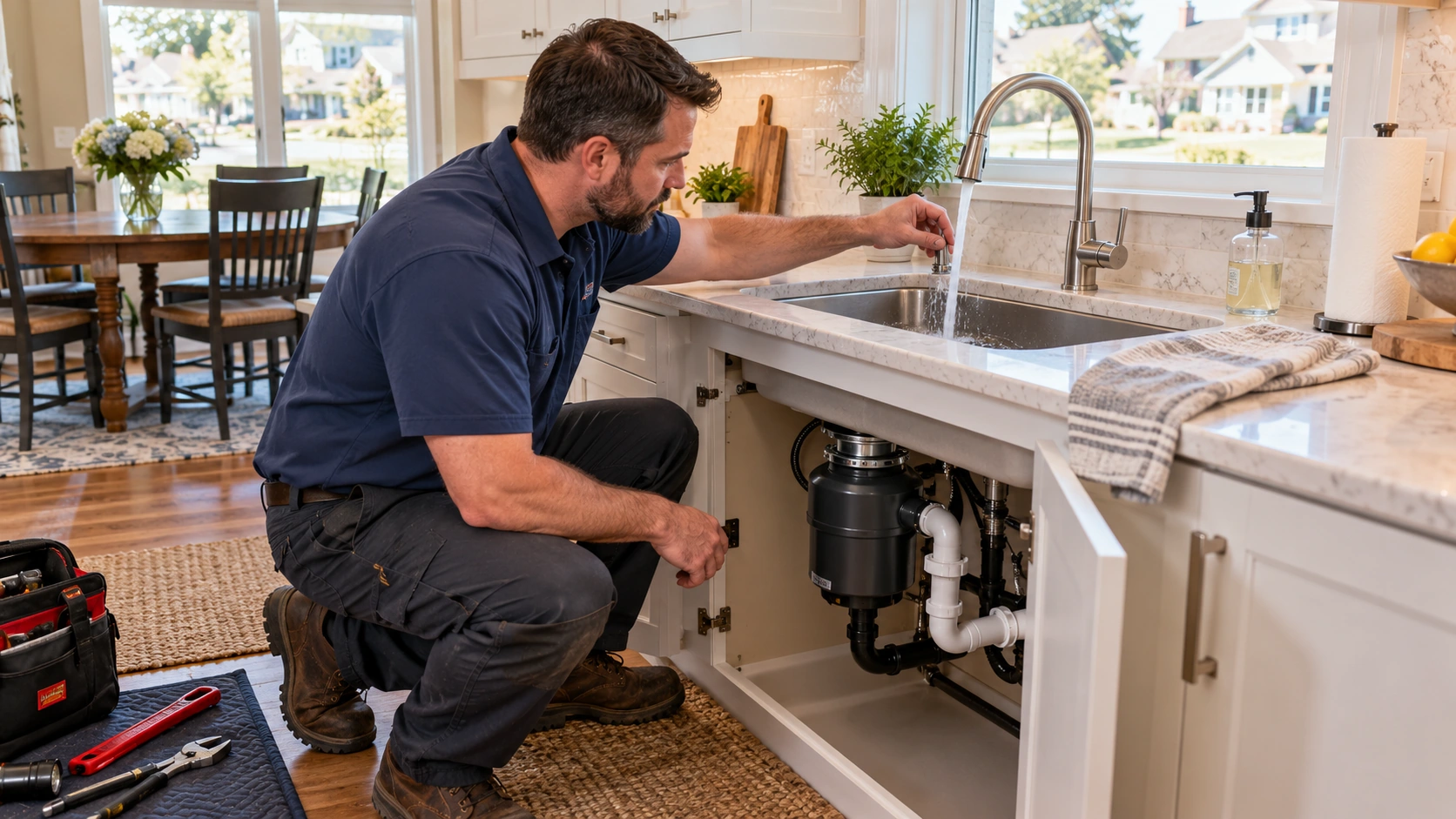
We first determine whether the backup is limited to one fixture, affects a branch, or involves the main drainage path. We ask what was running before the overflow, check the lowest fixtures, and review any recent pumping, slow drains, gurgling, odors, or rain-related changes.
The next check is whether the restriction is inside the building drain, between the building and the cesspool, or within the onsite system. Accessible cleanouts, flow behavior, and system history help narrow that location. We also look for an unsafe work area, weak piping, or standing sewage that must be addressed before equipment is set up.
How Do We Stop and Diagnose a Sewage Backup
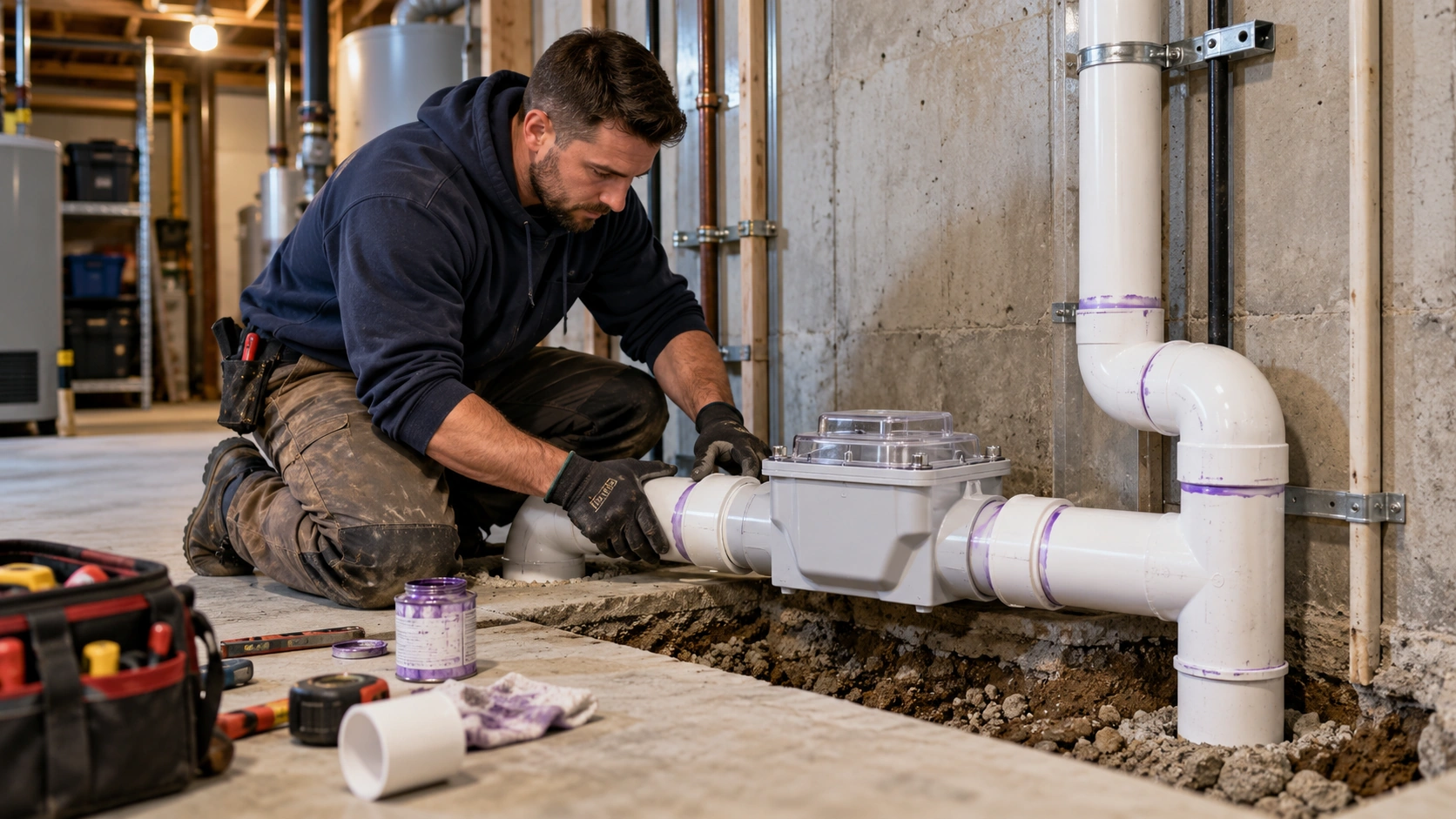
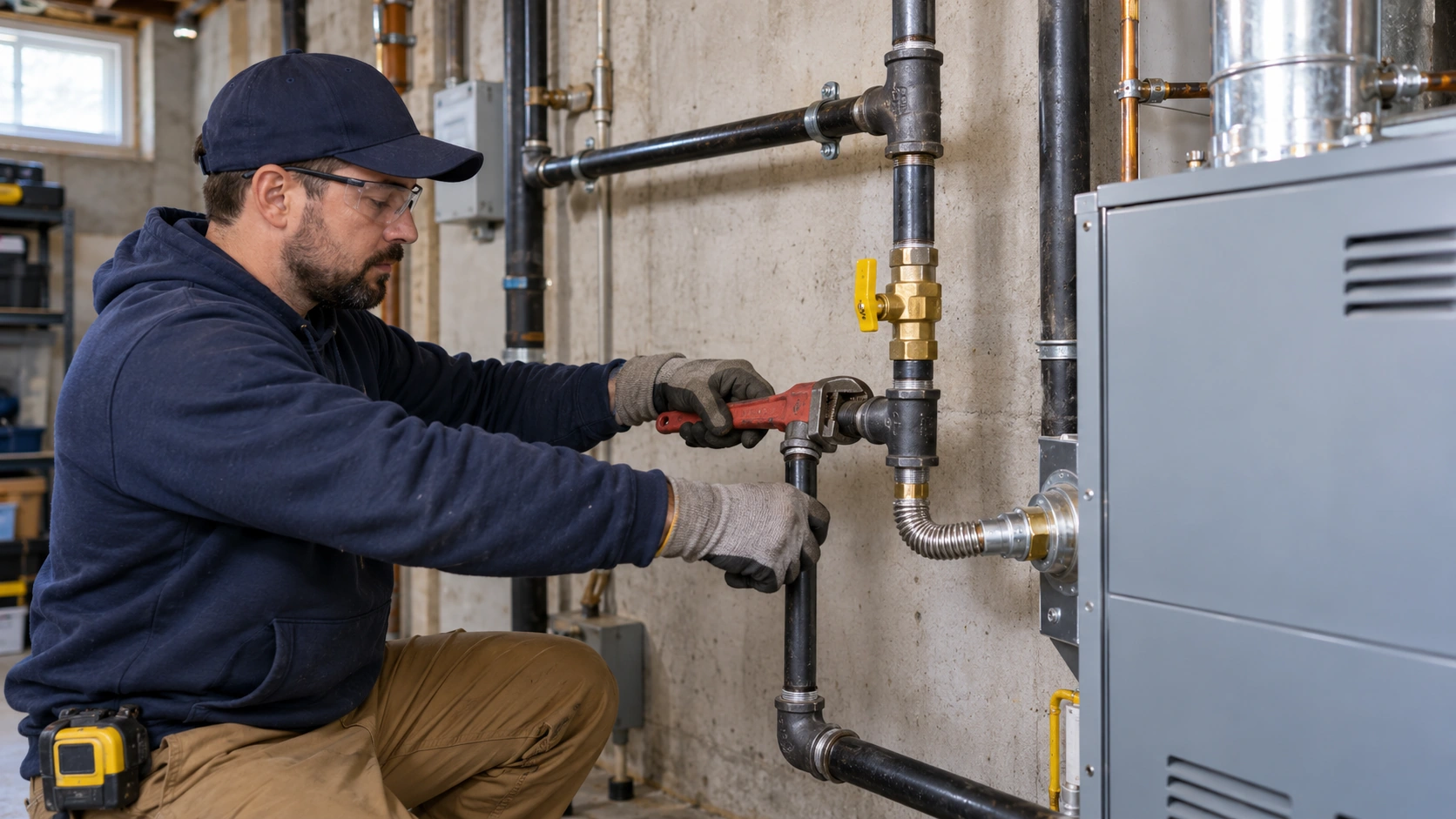
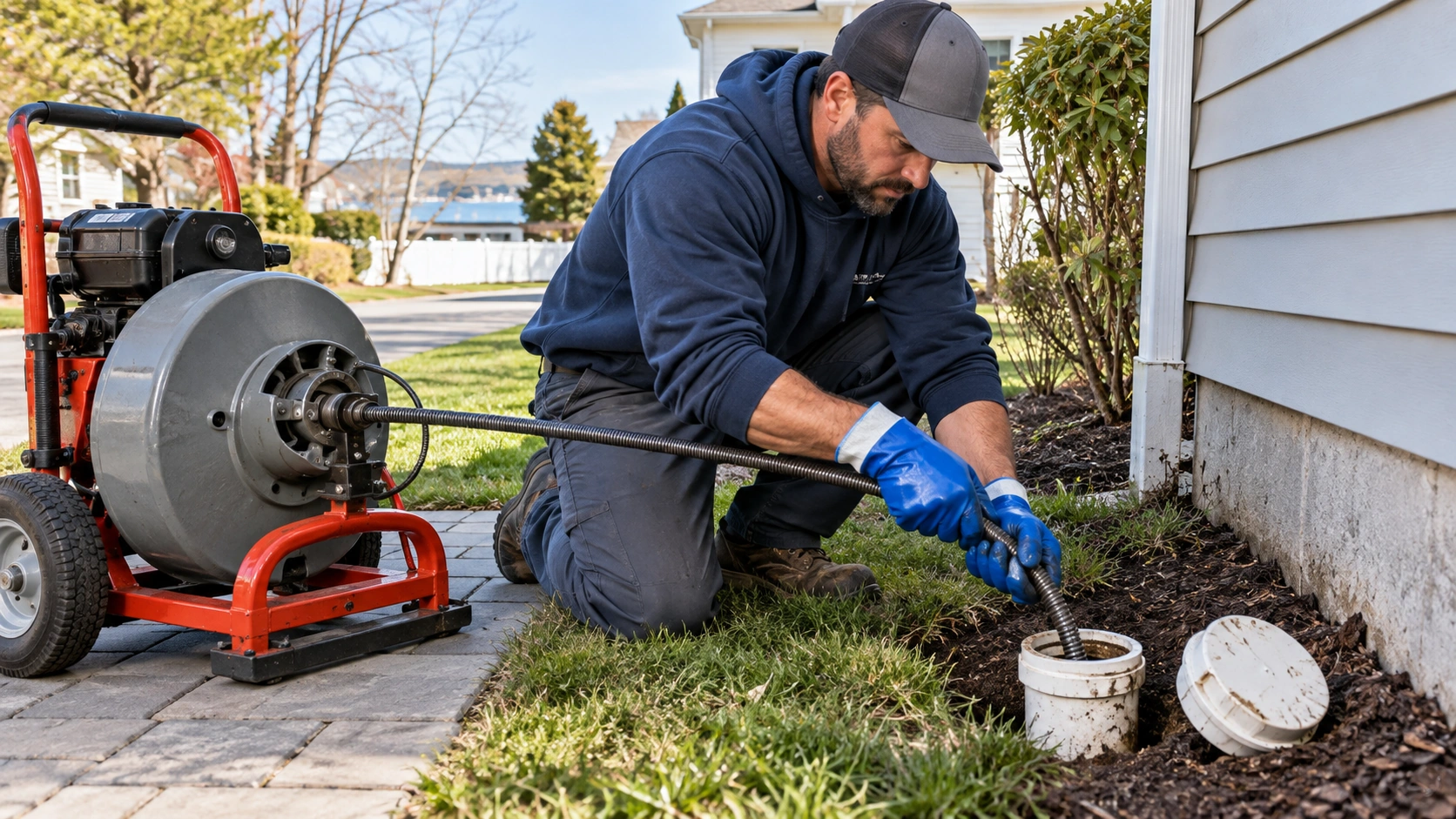
The immediate goal is to prevent more discharge. We confirm that occupants have stopped using fixtures, then access the drainage system from an appropriate cleanout or other service point. If a blockage is within the pipe, the line may be cleared with equipment suited to the pipe size, material, and likely obstruction.
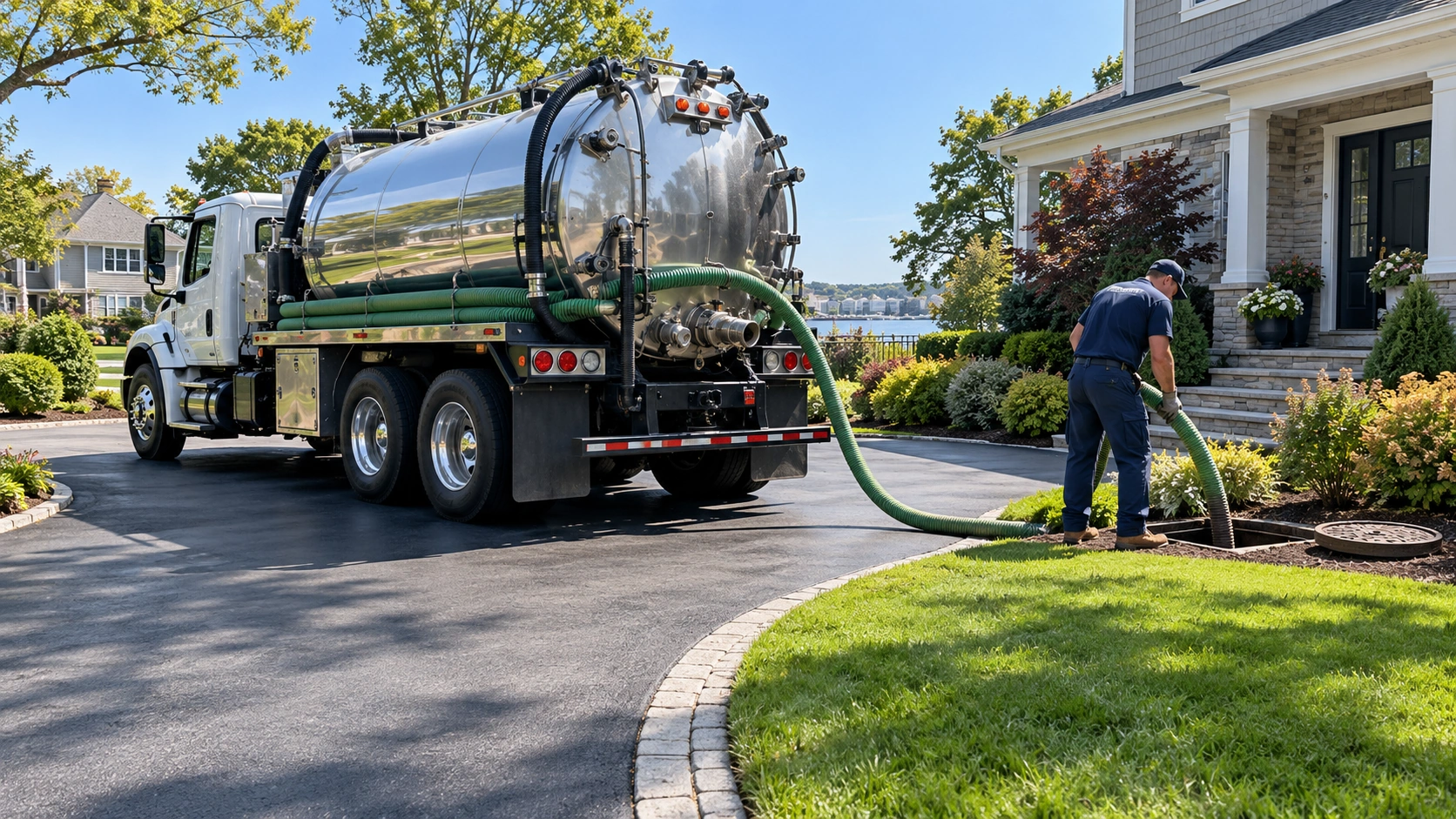
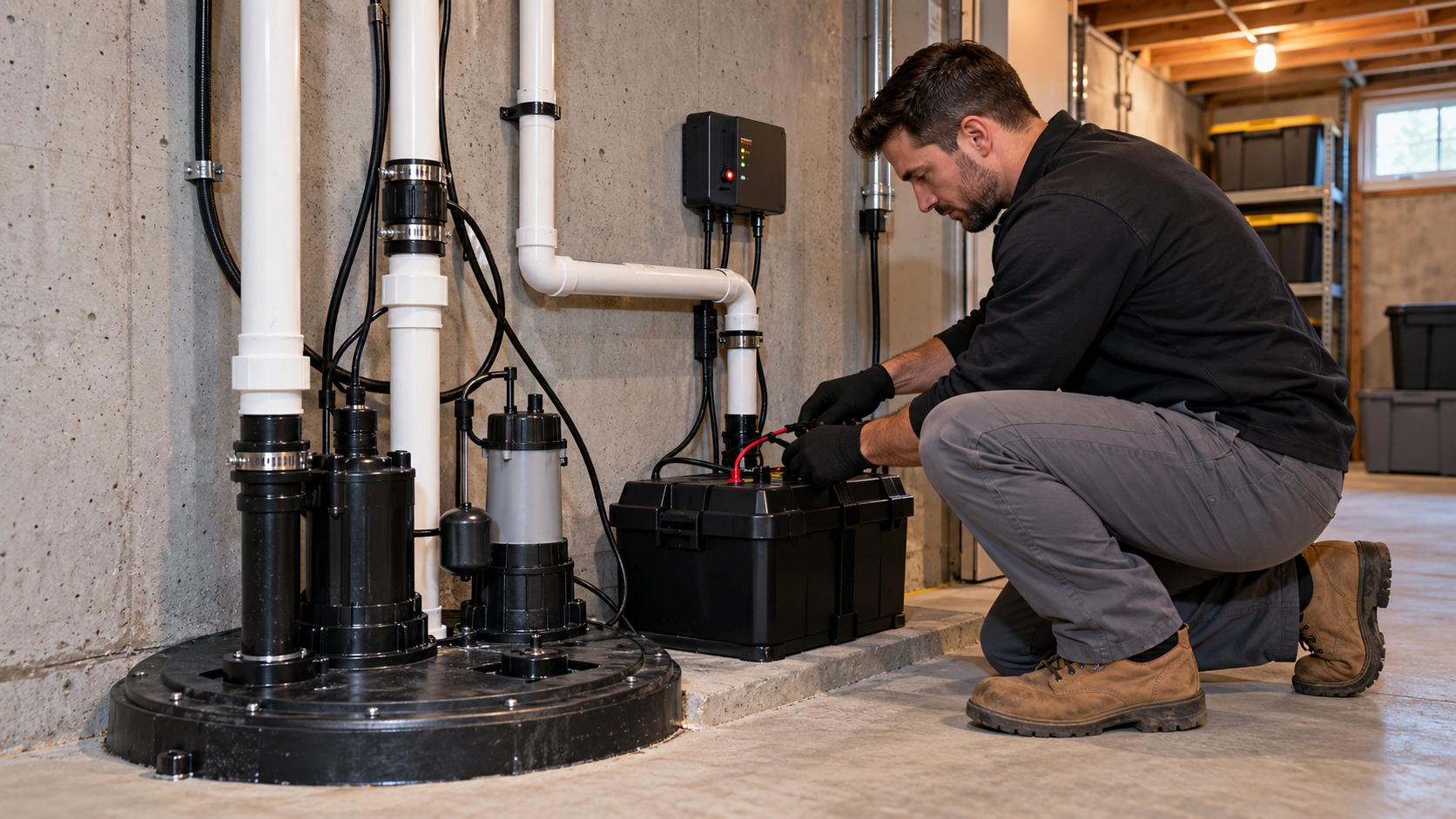
If the symptoms point to a cesspool, we assess system condition and liquid level before recommending pumping or repair. Saturated ground changes that decision. Pumping an onsite system while the surrounding soil is flooded can provide only temporary relief and may damage a tank, so conditions must be evaluated rather than treated as a routine pump-out.
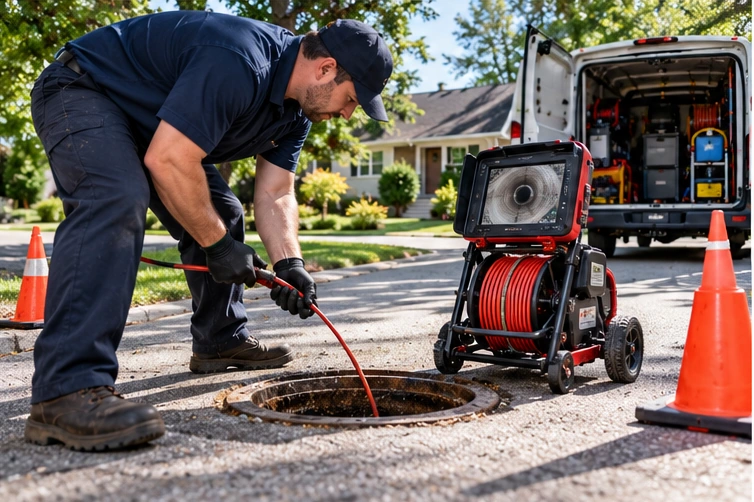
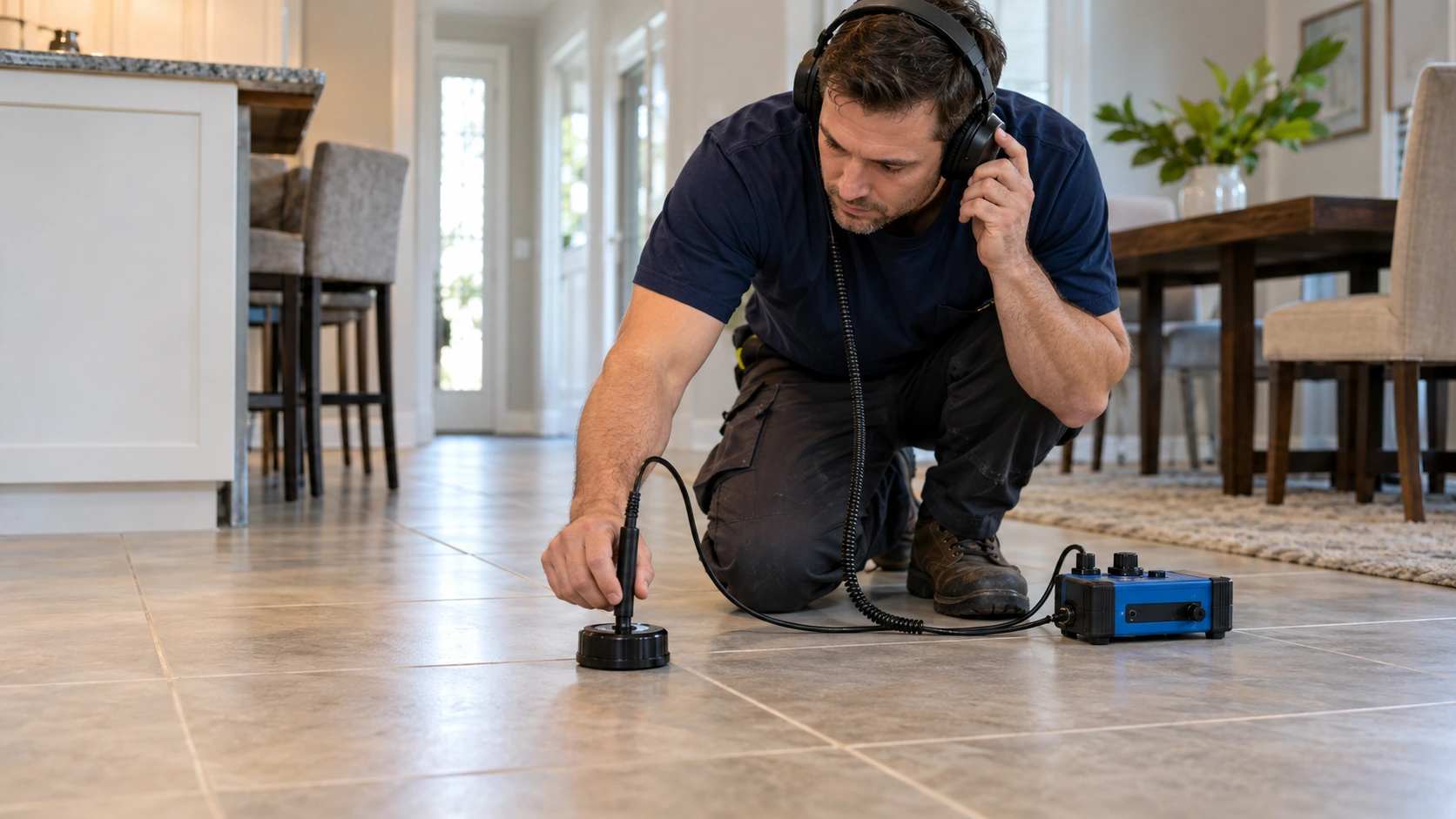
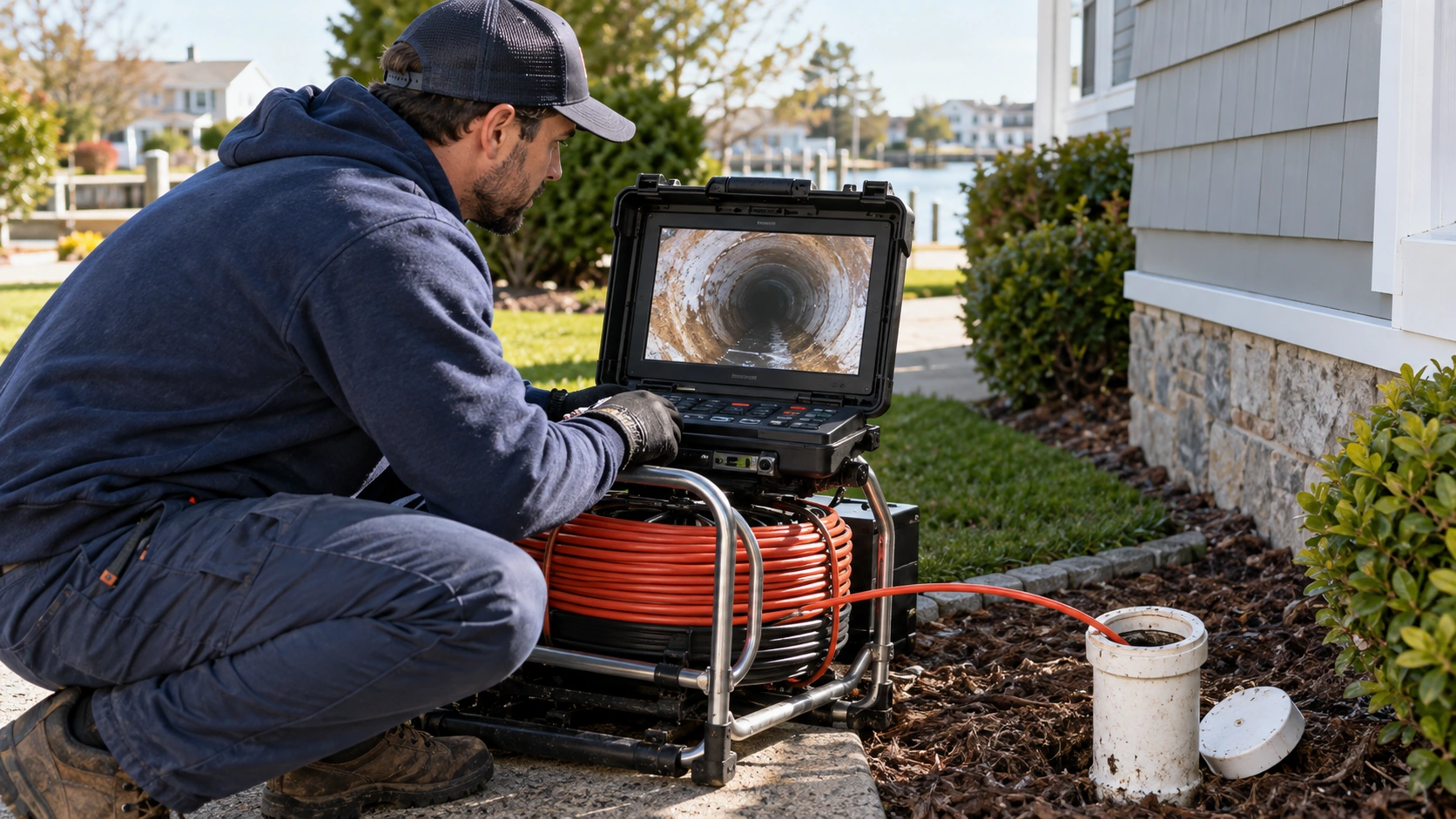
Once flow is restored, a camera inspection may be used when access and pipe conditions allow. It can reveal roots, scale, cracks, offsets, bellies, or a remaining obstruction. We then run controlled water to verify drainage and explain whether the visit resolved an isolated blockage or uncovered a defect that needs further work.
If the emergency is clean supply water rather than wastewater, see our burst pipe repair service in Massapequa for the correct first steps.
How Much Does Sewage Backup Service Cost
Price depends on the blockage location, access, pipe size, clearing method, camera work, after-hours response, and whether the source is a drain line or cesspool. A reachable cleanout and a removable stoppage usually require less work than roots, a collapsed line, excavation, or an onsite system repair.
Cleanup and restoration are separate from correcting the plumbing source. Current Long Island pricing published by restoration providers commonly places professional sewage cleanup around $2,500 to $8,000, with larger or heavily contaminated losses costing more. Massapequa Plumbing Experts explains the plumbing scope and applicable price or estimate before approved work begins.
Why Choose a Licensed Local Plumber
Massapequa Plumbing Experts brings 10 years of plumbing experience to drainage and cesspool problems in local properties. We separate a fixture stoppage from a main-line or onsite-system failure, explain what the inspection shows, and recommend work based on the source. Clear findings, upfront pricing, and licensed service help owners make an informed decision.
For an overview of our plumbing and emergency services, visit the Massapequa plumbing homepage.
Frequently Asked Questions
Is a sewage backup a health hazard in my Massapequa home?
Yes, sewage contact carries real health risk, so keep household members and pets away from the affected area until it's cleared and cleaned.
How fast can you respond to a sewage backup emergency in Massapequa?
We prioritize active sewage backups on our emergency line and typically arrive within 60 to 90 minutes.
Will you also handle cesspool related sewage backups?
Yes, if the backup traces to a cesspool rather than the interior line, we can pump, inspect, and repair the system as part of the same visit.