
Gas Leak Repair Starts With Safety
If you smell gas, hear unexplained hissing near a line, or suspect an active leak, leave the building immediately. Do not operate lights, switches, appliances, garage doors, or phones inside. Once outside and safely away, call 911 and the gas utility. Do not return until emergency personnel or the utility confirms it is safe.
A plumbing visit follows that emergency response; it does not replace it. After the property is released, Massapequa Plumbing Experts traces the affected piping, identifies the defect, explains the scope, and completes the required testing.
What Signs Can Point to a Gas Line Leak?
A rotten-egg odor is the most familiar warning, but outdoor or concealed leaks can show up differently. Treat these conditions as reasons to leave and report the suspected leak, not as instructions to investigate it yourself:
A sulfur-like or rotten-egg smell near the meter, basement, utility area, or an appliance.
Hissing or whistling near a valve, threaded fitting, flexible connector, or exposed pipe.
Dead, yellowed, or unusually dry vegetation along the route of a buried line.
Bubbling in standing water or disturbed soil above underground piping.
Visible corrosion, impact damage, or a loose connection after an appliance was moved.
An appliance fault can produce similar symptoms without proving that the supply line leaks. Carbon monoxide is odorless, so alarms remain important, but they do not replace reporting a gas odor.
Why Do Gas Lines Leak in Massapequa Homes?
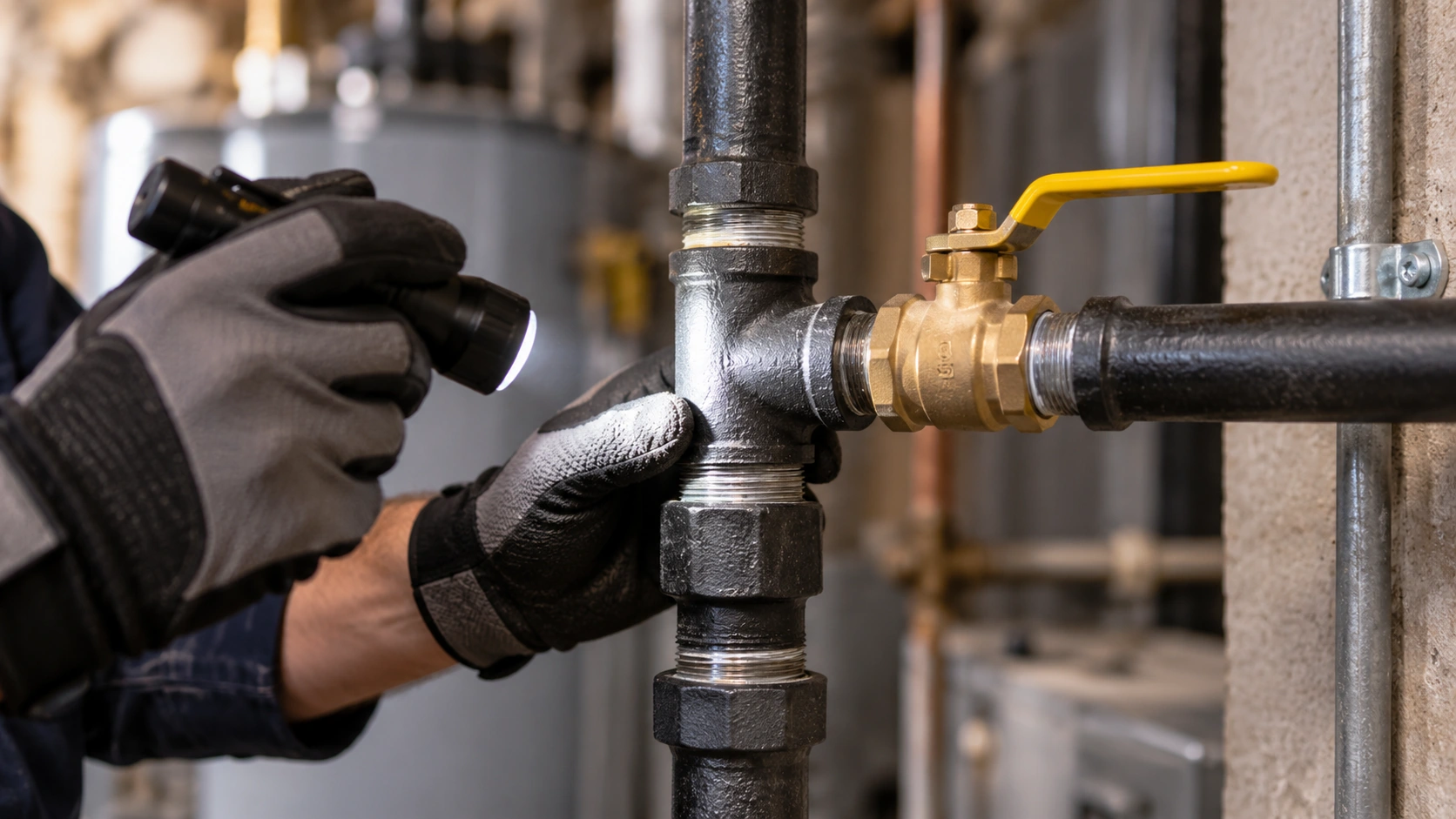
Many Massapequa properties have piping installed or altered across several decades. Older threaded joints and valves may deteriorate, while later appliance projects add connections that were not part of the original layout. Remodeling or accidental impact can also stress a fitting.
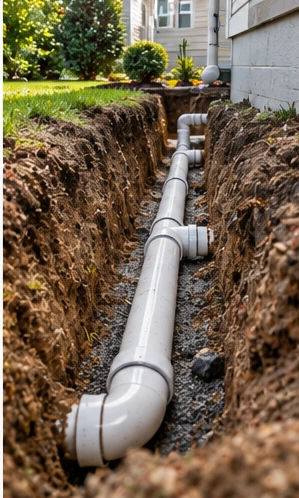
Underground branches face moisture, soil movement, landscaping damage, and excavation risk. Near South Oyster Bay, damp or salt-influenced exposure can affect exterior metal, but location alone does not prove corrosion. We evaluate material, age, route, alterations, and condition.
What We Check First
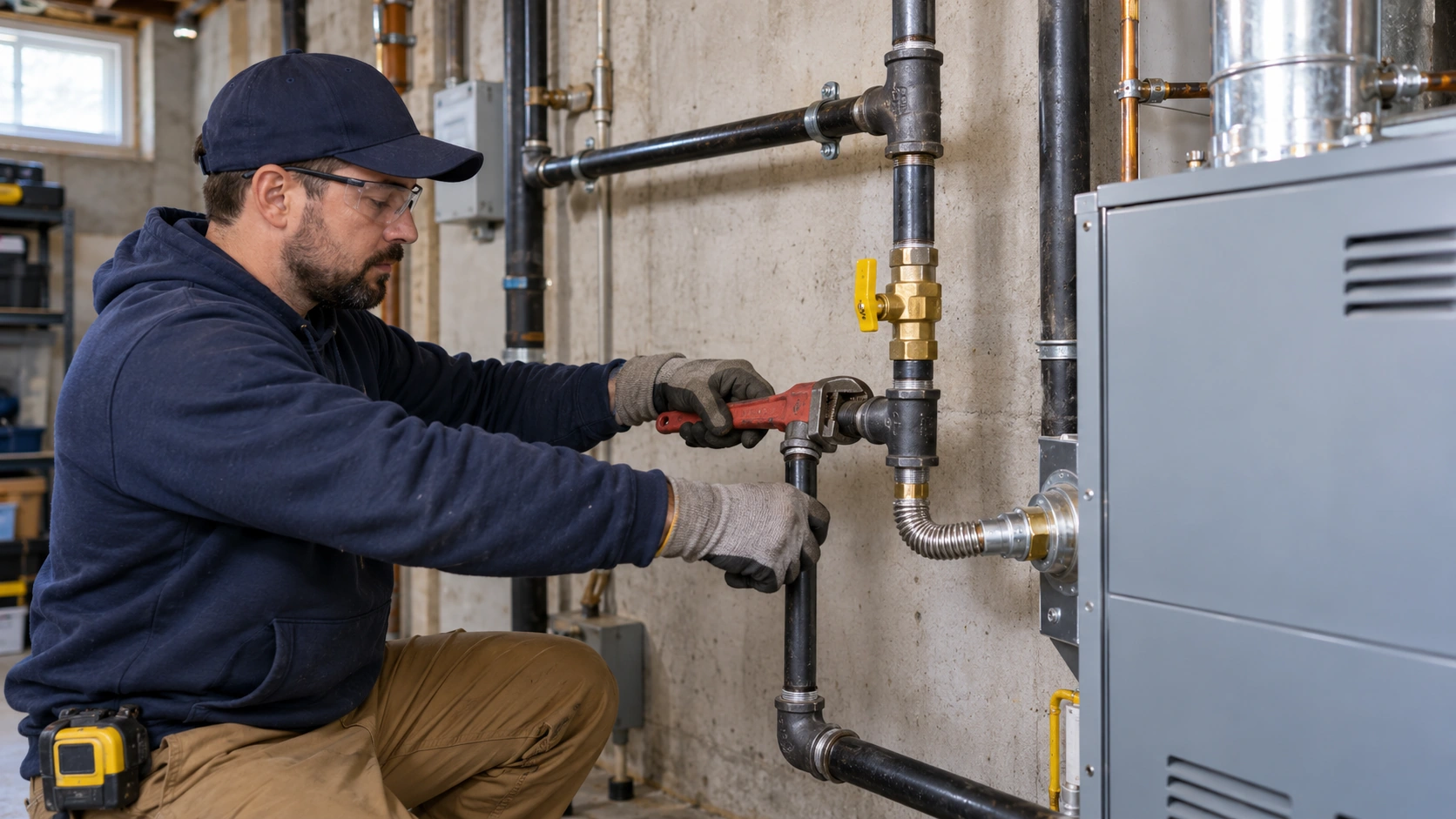
Once the utility has cleared the emergency, we review where the odor or symptom was noticed, which appliances were operating, and whether recent construction or appliance work occurred. We inspect accessible shutoffs, connectors, joints, supports, exposed piping, and the suspected underground route before selecting the appropriate testing method.
We determine whether the concern is on customer-owned piping, utility equipment, or the appliance itself. We do not use an open flame to locate leaks or restore service from a visual check alone.
How Do We Locate and Repair the Leak?
1. Isolate the Authorized Test Area
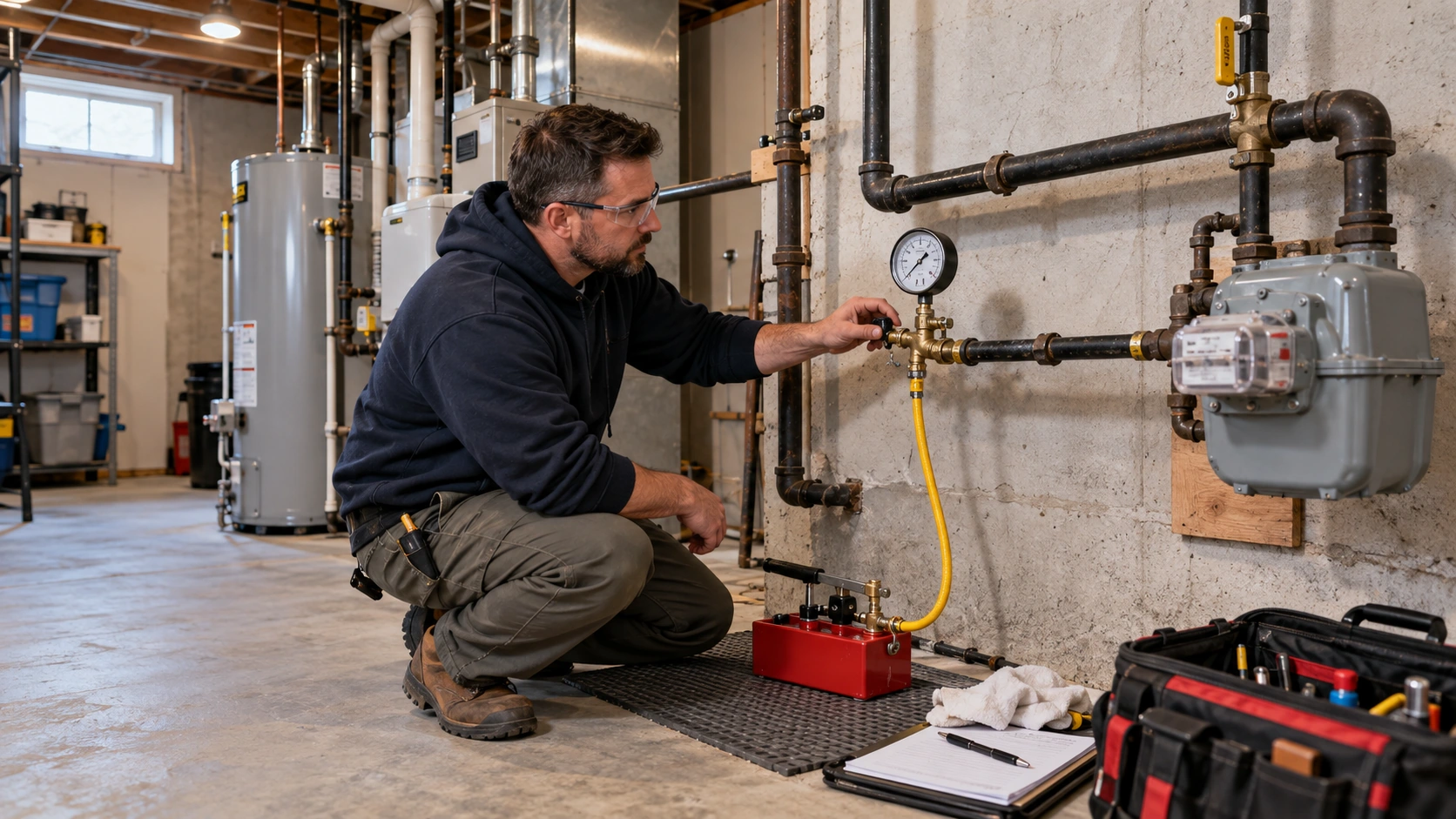
We confirm the piping section that can be tested and protect connected equipment as required. The test setup depends on the system, utility status, and repair scope.
2. Pinpoint the Defect
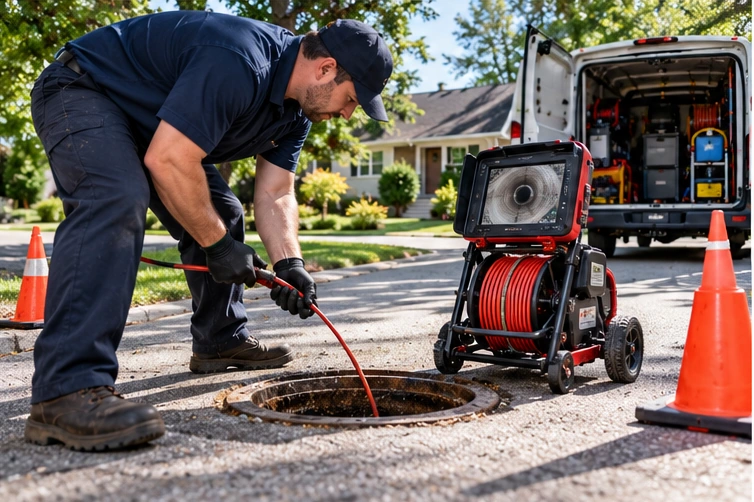
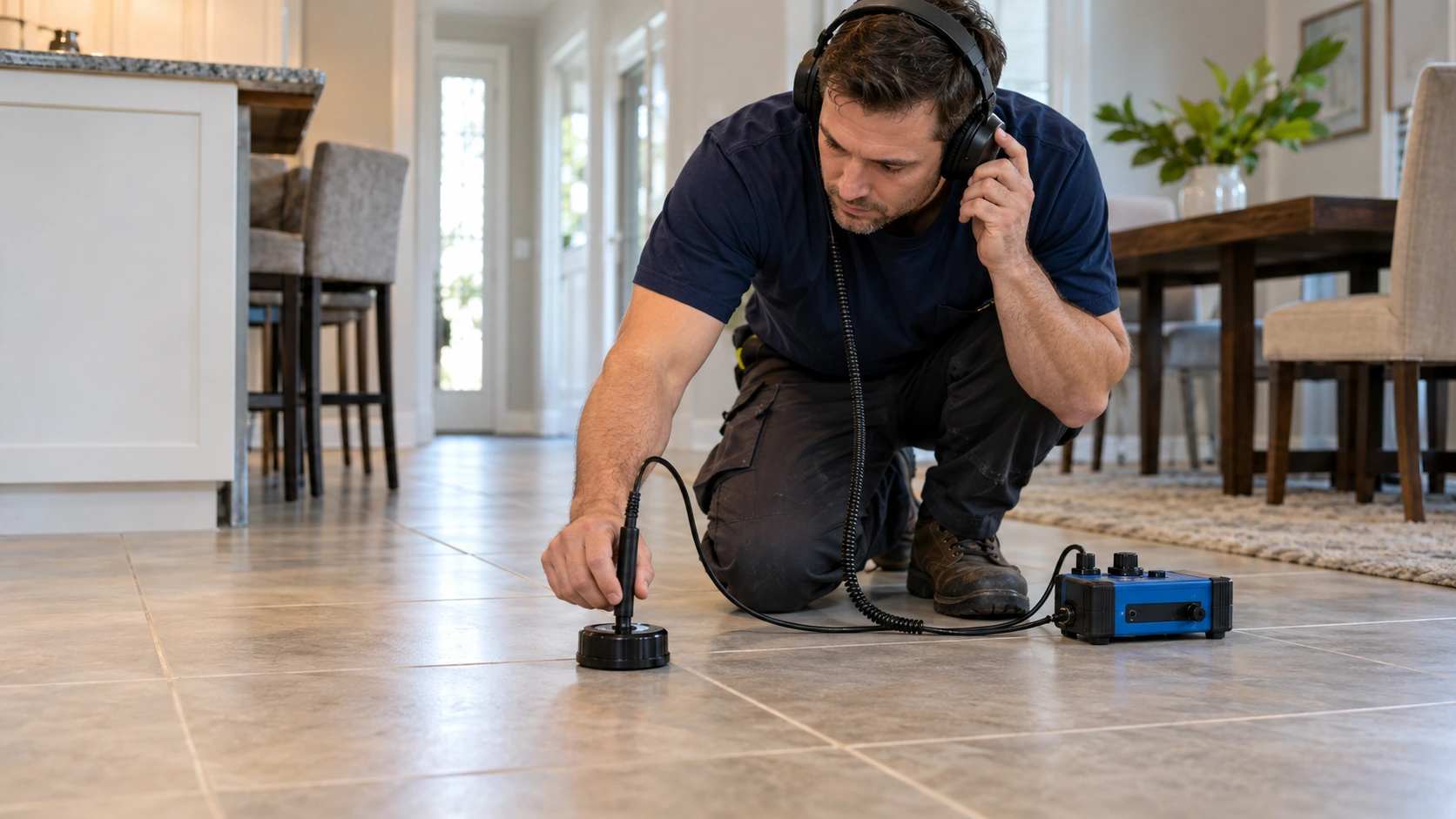
Appropriate detection and pressure-testing methods help narrow the failure to a connector, valve, threaded joint, exposed branch, or buried section. Underground tracing focuses excavation at the verified area instead of opening the entire route without evidence.
3. Repair the Fitting or Line Section
The repair may replace a valve, connector, fitting, or damaged pipe section. Widespread deterioration may require a larger replacement scope. Concealed or buried work is coordinated for inspection before closure when required.
4. Pressure-Test Before Restoration
After repair, we test the completed scope, check accessible joints, and coordinate inspection or utility restoration steps. Service returns only after the required sequence is complete.
How Much Does Gas Leak Repair Cost in Massapequa?
Gas leak repair often falls from several hundred dollars for an accessible localized fitting or valve into the low thousands for a damaged section, difficult access, or more extensive testing. Buried lines, concealed piping, multiple defects, trenching, permits, inspection corrections, and finish restoration can raise the range.
These are directional planning ranges, not guaranteed prices. Massapequa Plumbing Experts quotes the repair after locating the defect. Additional leaks or deteriorated piping are explained before further approved work begins.
Why Choose a Licensed Local Plumber?
Massapequa Plumbing Experts brings 10 years of plumbing experience to gas-leak diagnosis, repair planning, pressure testing, and permit coordination. We hold an active Town of Oyster Bay plumber's license for related plumbing work. The service record identifies the repair completed, testing included, and any conditions outside the approved scope.
Warranty terms for the completed repair are stated in the written proposal so the homeowner knows what is covered rather than relying on a general promise.
Related Gas Line and Plumbing Services
Gas Line Services Massapequa explains the full repair, installation, appliance, and inspection category. If the project involves a new stove, dryer, grill, or fire pit, see Gas Line Installation for Appliances Massapequa. You can also return to the Massapequa plumber homepage for all services.
Frequently Asked Questions
What should I do immediately if I smell gas?
Leave the house without touching any switches or appliances, and call us or your gas utility from outside once you're safely away.
Can you detect a gas leak that's underground?
Yes, we use gas detection equipment to trace leaks along buried lines without needing to excavate the entire route.
How much does gas leak repair cost in Massapequa?
Cost depends on the leak's location and line accessibility; we quote the price after locating and diagnosing the leak.