

When Does a Home Need Complete Repiping
Whole-house repiping replaces the interior hot and cold water lines that serve fixtures and equipment. It becomes a practical option when failures are no longer isolated, corrosion restricts flow, or repeated repairs cost money without restoring dependable service. The decision should follow inspection and repair history, not the home’s age alone.
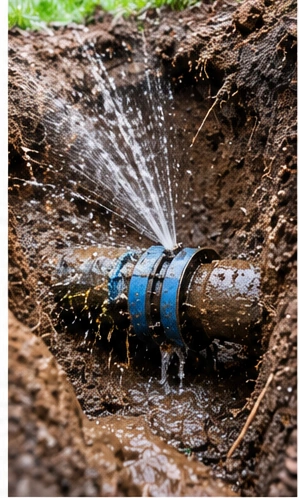
Massapequa includes many postwar Capes, ranches, and split-level homes, along with additions and finished basements built later. One property may contain original galvanized pipe, copper upgrades, and short PEX repairs. We identify what is still in service and separate interior piping from the private water-service line before defining the scope.
What Signs Point to a Full Home Repipe
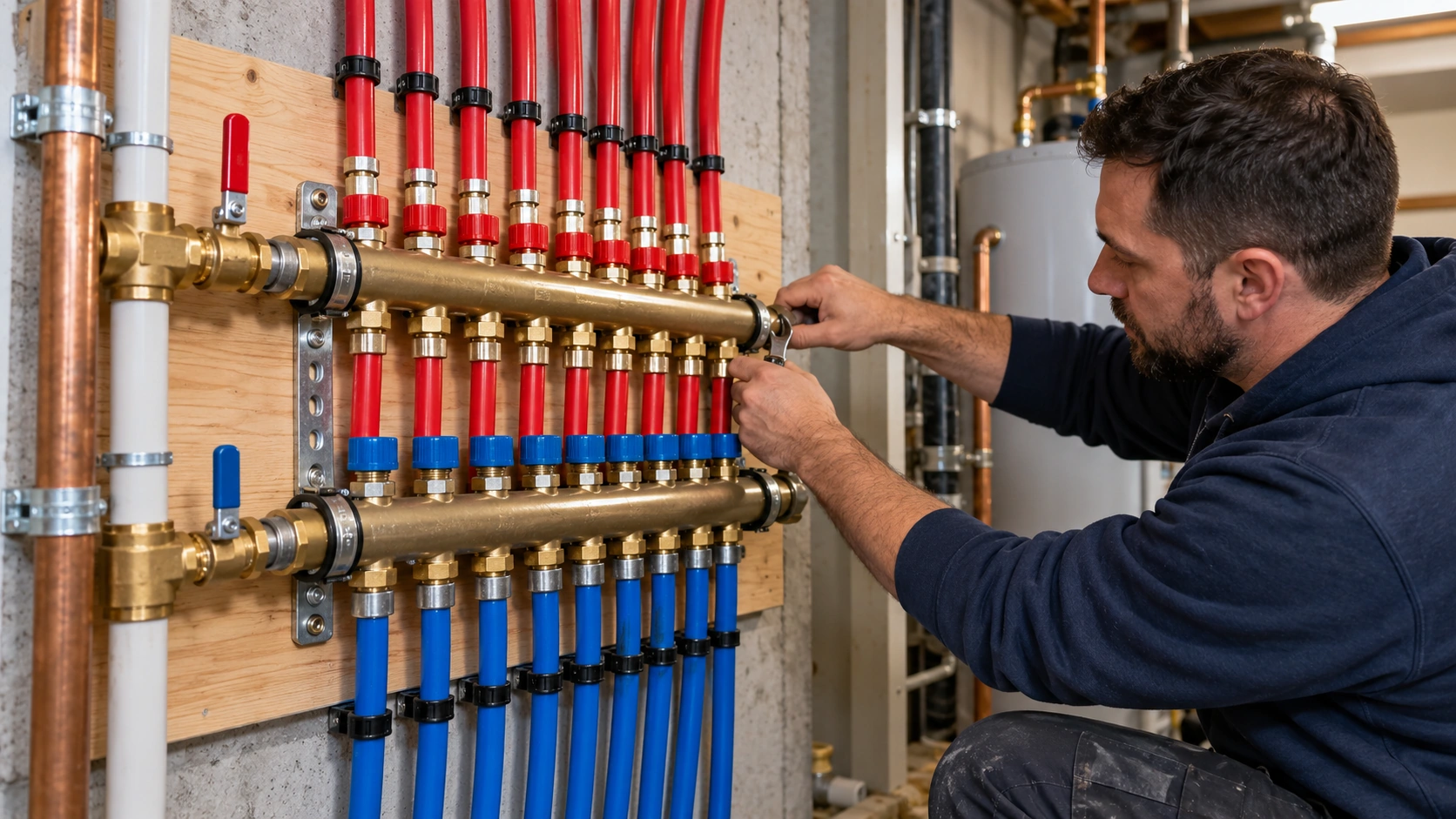
One leaking fitting may need only a repair. A broader pattern can indicate that the distribution system is reaching the point where replacement is more dependable. Warning signs include:
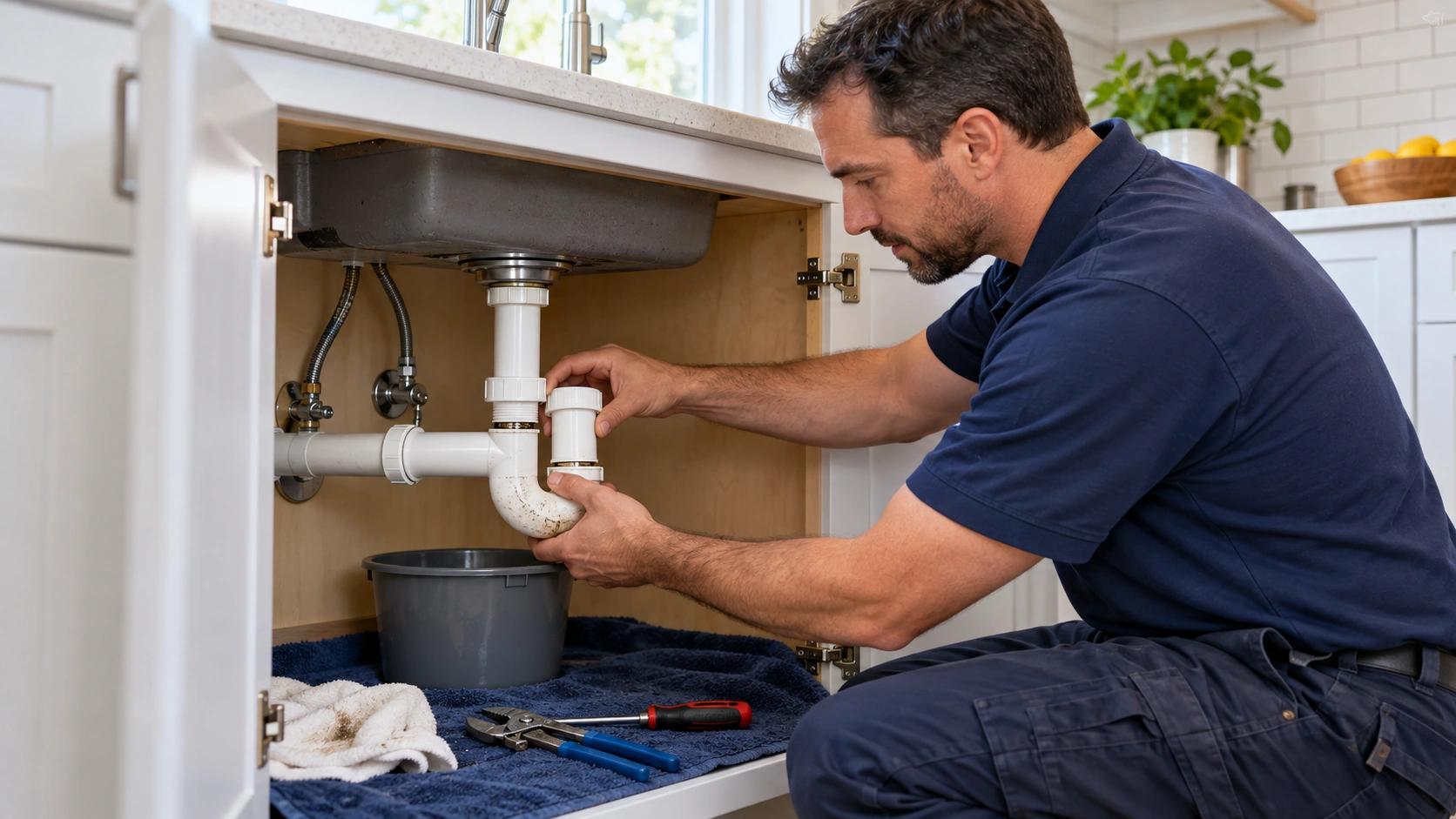
Leaks returning in different rooms or on unrelated branches.
Low pressure at several fixtures, especially during simultaneous use.
Rust-colored water or recurring discoloration traced to private piping.
Original galvanized steel lines with heavy internal restriction or visible corrosion.
Multiple patches, mixed materials, or deteriorated pipe around each new failure.
Renovation plans that will expose walls and make coordinated replacement less disruptive.
We also rule out fixture aerators, shutoff valves, pressure controls, the water heater, and utility-side conditions. Repiping will not correct a problem that begins outside the interior distribution system.
What We Check First
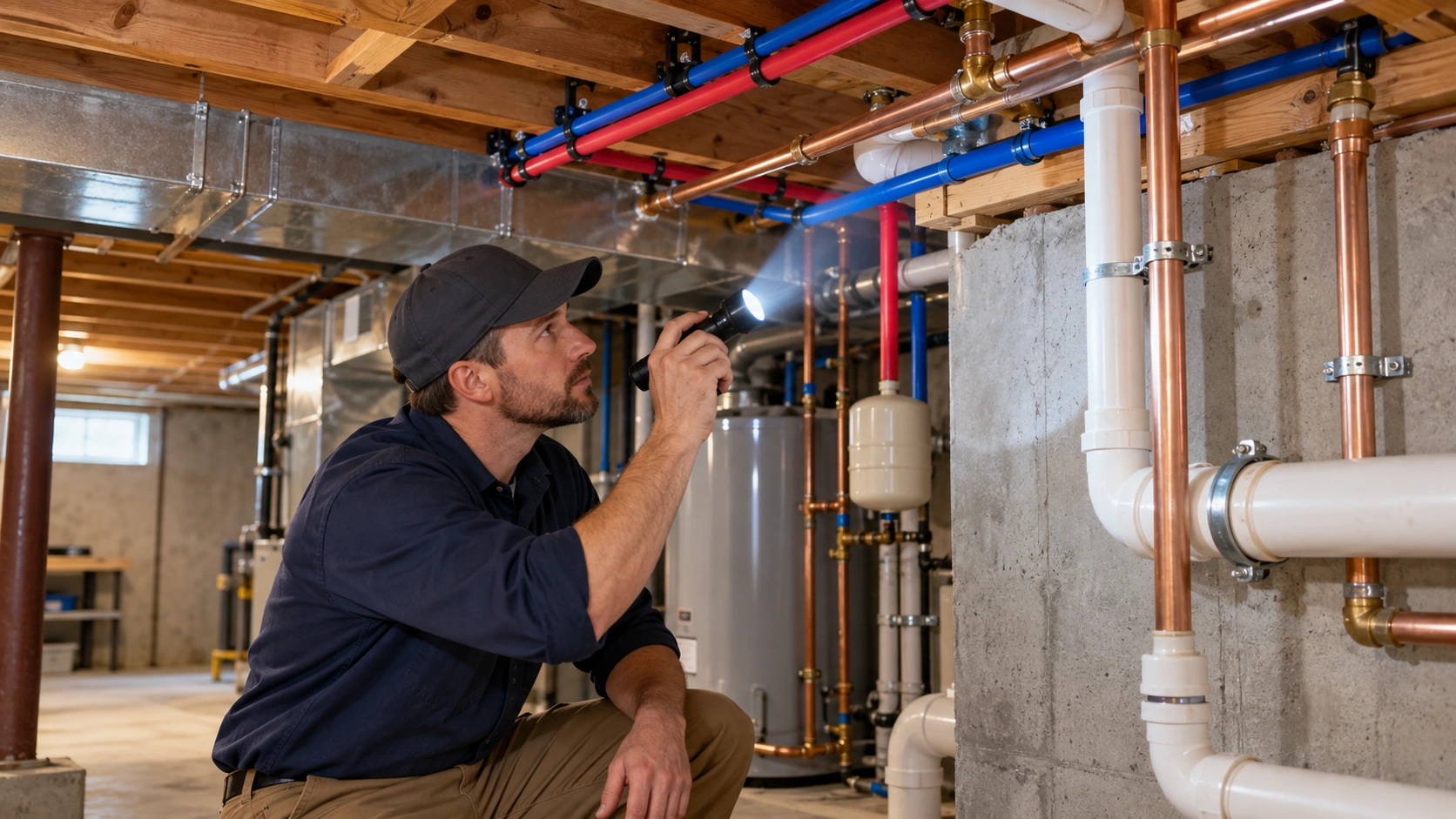
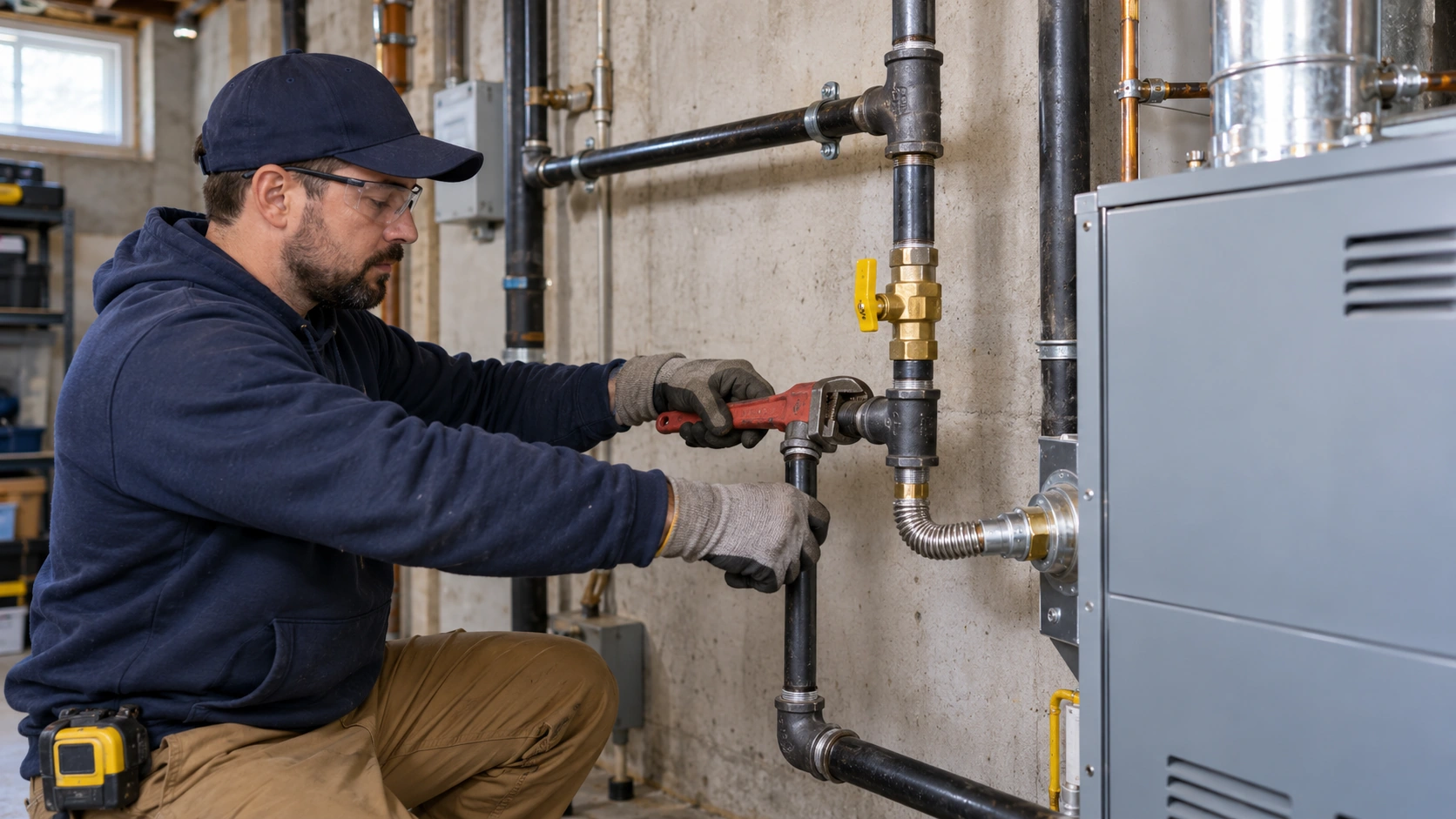
We review leak history, pressure complaints, discoloration, past additions, and planned remodeling. Then we identify accessible pipe materials and sizes, check corrosion and previous transitions, test pressure and flow, and map routes to bathrooms, the kitchen, laundry, hose connections, and mechanical equipment.
The inspection also looks at access above ceilings, inside closets, through basement or crawlspace areas, and along plumbing walls. This allows us to estimate openings and choose routes that protect finished spaces while keeping valves, manifolds, and required connections serviceable.
How Our Whole House Repiping Process Works
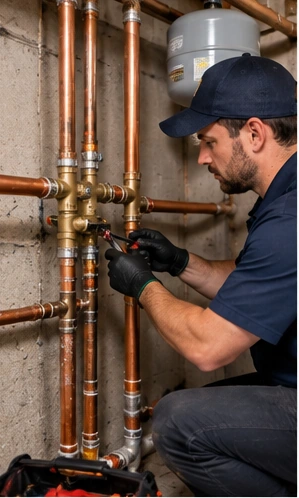
First, we define which lines are being replaced and whether any sound sections will remain. We calculate demand and pipe sizing, then compare copper and PEX for the layout. Copper is rigid and familiar. PEX can reduce concealed joints and route efficiently through framed areas. Product listing, supports, protection, transitions, and local requirements guide the choice.
Next, we plan access and water shutdowns room by room. Where practical, work is phased so the household is not without water for the entire project. We protect floors and furnishings, create controlled openings, install and secure new lines, and cap or remove abandoned piping according to the approved scope.
Required Town of Oyster Bay permit and inspection steps are coordinated for the project. Work that must remain visible for inspection is not covered early. After installation, we pressure-test the system, flush new piping, operate representative fixtures, check hot and cold delivery, and inspect every accessible joint and transition.
The written proposal states whether drywall, paint, tile, cabinets, or other finish restoration is included. Owners know which openings are expected and whether a separate trade will restore them before approving the project.
Copper or PEX for a Massapequa Repipe
Both materials can provide dependable service when properly designed and installed. Copper may suit exposed basement runs, tight transitions, or owners who prefer a traditional premium material. PEX can make sense where flexible routing reduces openings or concealed joints. The better choice depends on the building, water conditions, budget, and access, not a universal claim that one material is always superior.
How Much Does Whole House Repiping Cost
A complete repipe may fall around $6,000 to $20,000 or more. This is a directional planning range, not an exact or guaranteed price. Home size, fixture count, pipe material, basement or crawlspace access, finished walls, slab areas, permits, inspection, and restoration all affect the total.
A smaller single-story home with open basement access may fall toward the lower end. A larger home with several bathrooms, tiled walls, finished ceilings, difficult vertical routes, or extensive patching can exceed the range. Massapequa Plumbing Experts provides a walkthrough and written scope before approved work begins.
Why Choose a Licensed Local Repiping Plumber
Massapequa Plumbing Experts brings 10 years of plumbing experience to system assessment, pipe sizing, routing, and final testing. We hold an active Town of Oyster Bay plumber's license for related plumbing work. Our written recommendation identifies the evidence, chosen material, access plan, exclusions, permit steps, testing, and applicable warranty instead of presenting a one-size-fits-all package.
Related Pipe Services
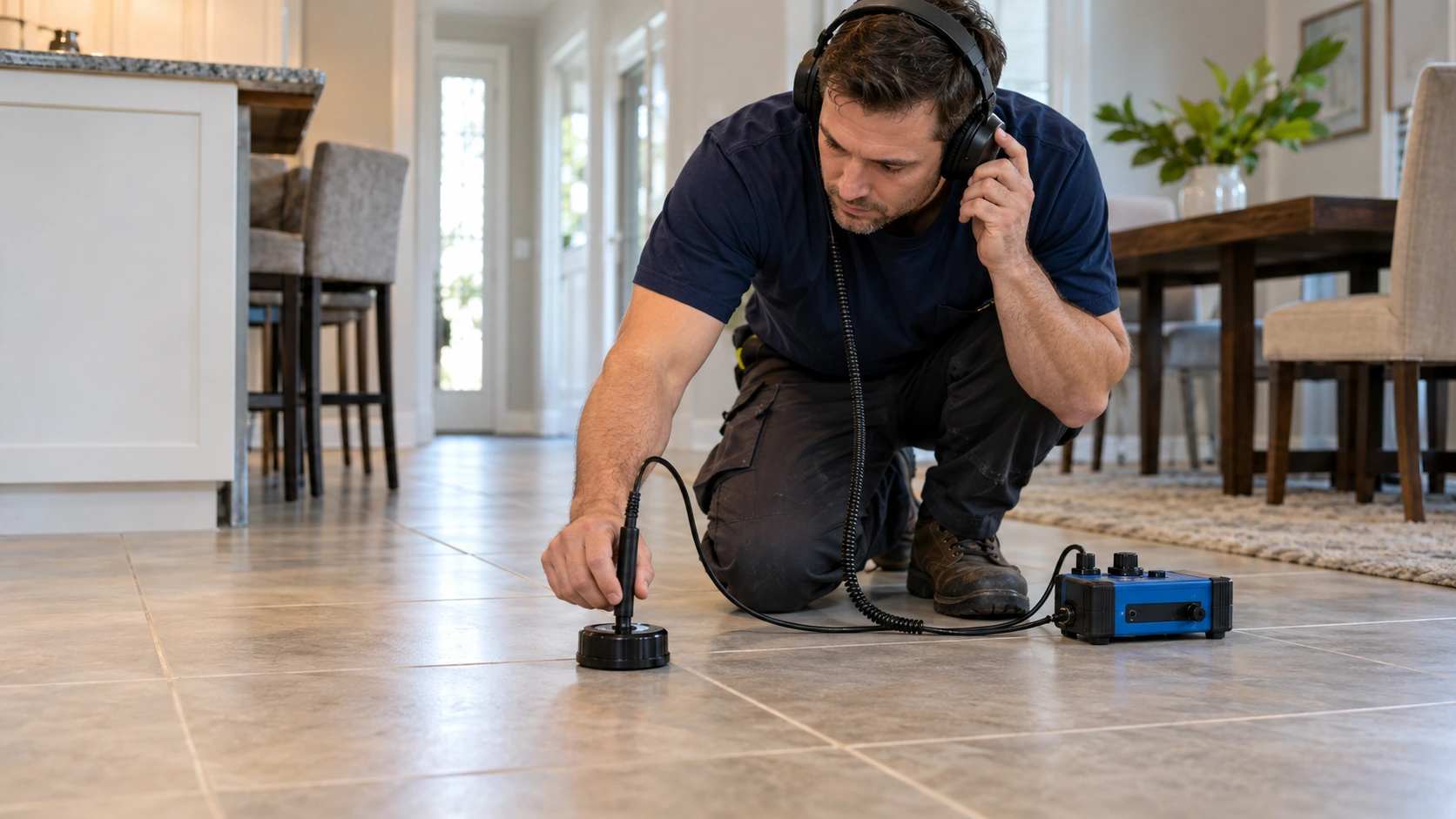
Pipe Repair, Leak Detection & Repiping Massapequa covers isolated repairs, partial replacement, and system-wide decisions. For suspected piping below concrete, see Slab Leak Detection Massapequa. Visit the Massapequa plumber homepage for other services.
Frequently Asked Questions
How long does whole house repiping take in a Massapequa home?
Most single-family homes are completed in several working days, with water shut off only to the areas actively being worked on at any given time.
Should I choose copper or PEX for repiping?
Both are solid options; copper is durable and considered a premium material, while PEX is more flexible and often more cost-effective, and the right choice depends on your layout and budget.
Do I need a permit to repipe my Massapequa home?
Yes, repiping typically requires a Town of Oyster Bay permit and inspection, which we handle as part of the project.